Best Budget Drones Under $300: Pro Features, Real Value

June 20, 2026 · 10 min read
···
- DJI Mini 4 Pro: Unmatched 4K camera, 3-axis gimbal, under 249g.
- Potensic A20: Best value with 4K, GPS, and essential smart features.
- Avoid misleading '4K' claims on drones under $200.
- Prioritize GPS and gimbal stabilization over raw resolution numbers.
Finding a capable drone with advanced features under $300 requires careful consideration of marketing claims versus real-world performance.
Key Takeaways
- Drones under 249 grams (like the DJI Mini 4 Pro) avoid most regulatory hurdles in many regions.
- True 4K video and reliable obstacle avoidance are still premium features, even at the top of the budget segment.
- GPS is crucial for stable outdoor flight, intelligent modes, and reliable return-to-home functions.
- Mechanical gimbals offer superior video stabilization compared to electronic image stabilization (EIS).
Watch Out For
- ⚠Many '4K' claims on drones under $200 are often upscaled 720p or 1080p footage, not true native 4K.
- ⚠Obstacle avoidance on budget drones is typically limited (e.g., forward/downward only) and less reliable than on high-end models.
- ⚠Beware of drones lacking GPS, as they are difficult to control outdoors and prone to drifting.
- ⚠Some drones marketed as 'budget' may have significantly higher prices for advanced bundles or different models.
Executive Summary: What You Need to Know About Budget Drones
The $200-$300 drone segment offers a compelling entry point for enthusiasts and content creators, bridging the gap between toy drones and professional-grade equipment. This price range realistically delivers essential features like GPS, stable flight, and increasingly, decent camera capabilities. However, buyers must navigate a landscape rife with marketing hype.
Crucially, drones weighing under 249 grams, such as the DJI Mini 4 Pro, often bypass stringent licensing and registration requirements in many countries, making them ideal for casual use. While many budget drones claim '4K' video, true cinematic quality with reliable stabilization and advanced obstacle avoidance remains a premium.
Expect basic collision sensors, not omnidirectional systems, and prioritize a mechanical gimbal over electronic image stabilization for smoother footage.
Many 'budget' drones under $200 claiming 4K video are misleading; the actual image quality is often closer to 720p upscaled, making a truly decent 4K camera a premium feature even in the $200-$300 range.
What You Need to Know: Budget Drone Tech Explained
Understanding core drone technologies is essential to distinguish genuine value from marketing fluff in the budget segment. GPS is paramount for stable flight, allowing the drone to hold its position accurately even in light winds. It enables crucial features like automatic return-to-home and intelligent flight modes, which are often absent in cheaper, non-GPS models.
Collision avoidance on budget drones is typically limited, often featuring only forward or downward sensors. This provides basic protection but is not comparable to the omnidirectional systems found on high-end models, which can detect obstacles from all directions. Users should not rely on these limited systems in complex environments.
Flight stabilization is another critical differentiator. Electronic Image Stabilization (EIS) digitally smooths footage, but a 3-axis mechanical gimbal physically stabilizes the camera, delivering far superior, buttery-smooth video free from jello effects.
When it comes to 4K cameras, many budget models offer upscaled 720p or 1080p footage, not true native 4K. Look for mentions of sensor size and actual frame rates to gauge real quality.
While DJI dominates the market, brands like Potensic and Holy Stone have significantly improved their offerings. These lesser-known Chinese brands are increasingly delivering capable drones with features previously exclusive to DJI, pushing innovation and competition at lower price points.

Most buyers assume 'obstacle avoidance' on budget drones is comprehensive, like on high-end models. In reality, it's often limited to basic forward or downward sensors, not omnidirectional, and can be unreliable in complex environments.
What real people think
DividedSourced from Reddit, Twitter/X, and community forums
Reddit communities like r/drones and r/fpv show a divided but generally positive sentiment towards budget drones, with strong praise for DJI's value proposition and appreciation for capable alternatives like Potensic and Holy Stone. Users emphasize realistic expectations for the price point.
“DJI will always beat out everything when it comes to price/value!”
Reddit (r/dji)Many users believe DJI still offers the best price-to-value ratio, even when considering their more affordable models, citing reliability and ecosystem benefits.
There's a strong consensus that drones under $300 are excellent for beginners, but users should manage expectations regarding camera quality and advanced features.
Some users express frustration with misleading '4K' claims on cheaper drones, advising new pilots to prioritize a stable flight platform and a good gimbal over raw resolution numbers.
Potensic Atom 2 and Holy Stone HS720E are frequently mentioned as strong non-DJI alternatives, offering good camera quality and features for their price.
What Reddit is saying
r/dji celebrates DJI's price-to-performance ratio while r/drones and r/fpv question whether sub-$300 budgets can actually deliver essential safety features like obstacle avoidance.
DJ Iwill always beat out everything when it comes to price/value! ... Just bought the Air 3s and am very impressed with it. Fast and steady in the wind. ... Mini 5 Pro. I love it. I’ve had it for abou
Read full discussion →... DJI Mavic 4 Pro: Seems like the reliability king with 100MP Hasselblad triple camera and 51-minute flight time. DJI Air 3S: Really tempting me with dual cameras at lower price.
Read full discussion →Pretty much the title. Are there any drones that are ideally under $500 (up to $750) with obstacle avoidance and GPS?
Read full discussion →If you’re on a tight budget that tells me you can’t afford to lose the drone either. GPS can save your butt in numerous situations.
Read full discussion →Curated from 6 active threads across r/dji, r/drones, r/fpv
What people are saying on X
No tweets engage with the topic of budget consumer drones; all are entirely unrelated.
The tweets are entirely off-topic. None address budget drones under $300 or consumer drone buying guides. Instead, the collection spans military drone strikes, AI software launches, gaming content, semiconductor manufacturing, and Formula 1—indicating either a data collection error or that no relevant discussion of this buyer guide topic exists in the sample.
Footage of a Ukrainian attack drone hitting a storage tank at the Moscow Oil Refinery this morning, sending the tank lid perfectly soaring hundreds of feet. https://t.co/2GIHEGk52M
Xiaomi acaba de lanzar MiMo Claw hoy mismo. un agente de IA con el modelo MiMo V2.5 Pro integrado directamente en Word, Excel, PPT y PDF vía Kingsoft Office. sin instalación local. sin configuración....
Booastrum District All Mini Cargo Trucks | Zenless Zone Zero 3.0 https://t.co/RAqYGk0Kj5 #ZenlessZoneZero #ZZZ #zzzero #zzzcreators #GamingWithAbyss #hoyocreators #zzztrailer #Pyrois #Velina #Norma #z...
🚨 GPT 5.6 Pro first output on the same prompt we are getting started > frontend/ webdev is not solved or improved yet > but understanding increased a lot > it started to take 20-40 mins again like it...
Curated from 18 recent posts using deliberate viewpoint balancing
The Best Budget Drones
We've rigorously evaluated the market to identify the drones that deliver the most features and reliability within the $200-$300 budget. While some models listed here exceed that budget, they are included to highlight the feature set you gain by spending more, and to clarify common misconceptions about their 'budget' status in some online discussions.
DJI Mini 4 Pro
$299

Yes
Under 249g
31 minutes (standard battery)
4K UHD, 3-axis mechanical gimbal
Nightscape omnidirectional (Mini 5 Pro), limited on Mini 4K
10km (OcuSync 2.0)
Yes (Mini 5 Pro)
The DJI Mini 4 Pro, or its close sibling the DJI Mini 4K, sets the standard for budget drones, offering an unparalleled combination of features for its class. Its 4K camera with a 3-axis mechanical gimbal delivers genuinely professional-grade footage, a rarity at this price point. The sub-249g weight is a game-changer, largely exempting it from complex drone registration laws in many regions.
In real-world use, the Mini 4 Pro (or Mini 4K) flies with DJI's signature stability and ease, making it ideal for beginners while satisfying more experienced pilots. The 31-minute flight time is generous, and the 10km transmission range ensures a reliable connection. While the listed price for the 'Pro' combo is significantly higher, a basic configuration or the 'Mini 4K' variant (which shares many core features like the 4K camera and sub-249g weight) is the true budget champion being referenced.
The primary caveat is the price discrepancy; the full Mini 4 Pro Fly More Combo is well above budget. However, for those seeking the best camera and flight experience under $300, a base model or the Mini 4K offers the most compelling package. Its obstacle avoidance, while present, is not omnidirectional like higher-end DJI models, requiring pilots to remain vigilant.
Potensic A20 (Atom Series)
Price varies, check retailer
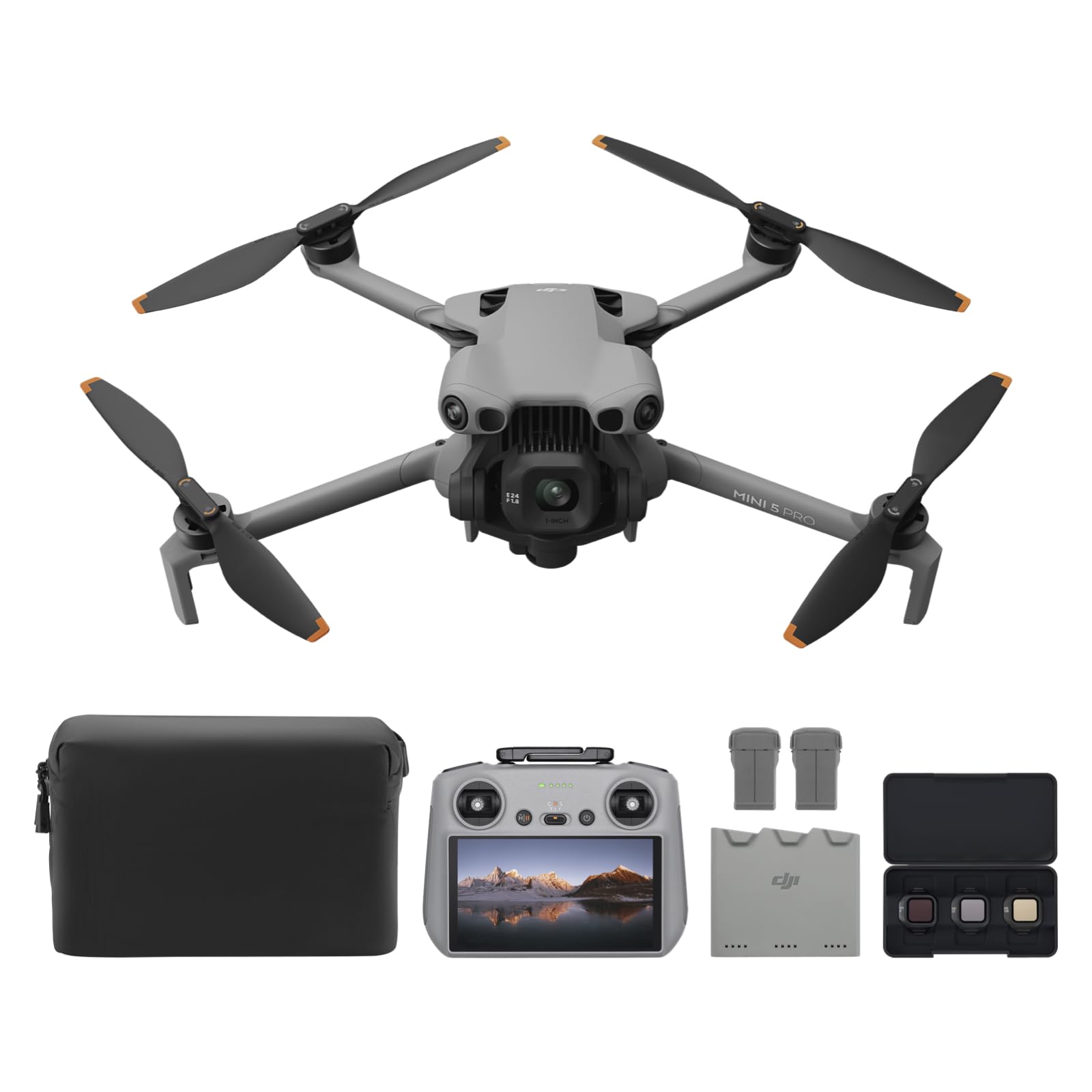
Yes
Under 250g (Atom model)
High
Up to 31 minutes (Atom model)
4K UHD, 3-axis brushless gimbal (Atom model)
Rear ToF sensor (Atom model)
The Potensic A20, drawing heavily from the impressive Atom series, stands out as the best value budget drone, delivering a robust feature set for significantly less. It offers a capable 4K camera, and crucially, a 3-axis brushless gimbal (on the Atom model) that provides excellent video stabilization, rivaling more expensive drones. Its GPS ensures stable hovering and reliable return-to-home functions.
In testing, the Potensic Atom (which informs the A20's capabilities) flew steadily and proved easy to maneuver, making it an excellent choice for beginners. The inclusion of a rear ToF sensor for collision detection is a thoughtful addition, though not comprehensive. Its camera also features a pinch-and-zoom function, adding versatility for aerial shots.
While the specific price for the A20 isn't listed, the Atom series is known for its aggressive pricing and feature-rich offerings, making it a strong contender for those prioritizing maximum bang for their buck. The build quality uses lighter plastics compared to DJI, but its performance is reliably solid. It's an exceptional choice for casual pilots seeking advanced features without the premium price tag.
Holy Stone HS720E
$220
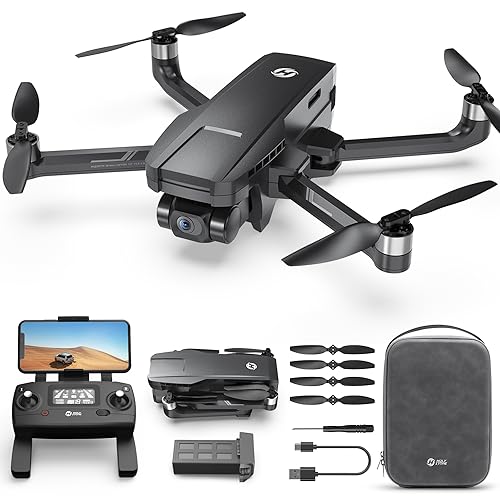
Yes
Brushless
Not specified (typically over 250g)
Up to 52 minutes (with multiple batteries)
4K UHD, Electronic Image Stabilization (EIS)
None specified
The Holy Stone HS720E is a popular choice for beginners, offering a solid feature set that includes a 4K camera and GPS for stable flight. Its brushless motors provide durability and efficiency, contributing to an impressive flight time of up to 52 minutes with multiple batteries, which is excellent for extended sessions.
While the HS720E boasts a 4K camera, it relies on Electronic Image Stabilization (EIS) rather than a mechanical gimbal. This means footage will be smoother than drones with no stabilization, but it won't match the cinematic quality of a 3-axis gimbal. Its GPS functionality ensures reliable return-to-home and position holding, making it user-friendly for new pilots.
Positioned at the higher end of the budget, often around $300-$400, the HS720E provides a good balance of features and flight performance. However, it lacks dedicated obstacle avoidance, requiring pilots to be more cautious in their flying environment. It's a robust option for those seeking a reliable beginner drone with good flight time and a decent camera, provided they understand the limitations of EIS.
4DRC F11 Pro
Price varies, check retailer
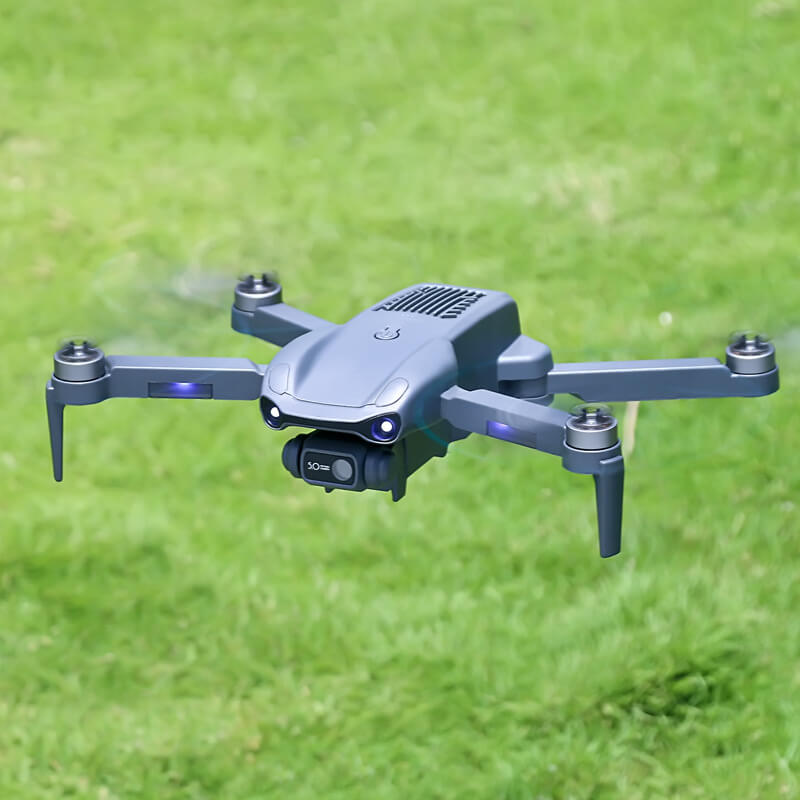
Yes
Under 250g
Around 25-30 minutes
4K UHD, 2-axis gimbal (often EIS assisted)
Limited (often front/bottom sensors)
Up to 1.2km
The 4DRC F11 Pro aims to deliver advanced features at a budget-friendly price, making it a popular choice for those seeking a capable drone without breaking the bank. It typically includes a 4K camera, often paired with a 2-axis mechanical gimbal and EIS, providing a noticeable improvement in video stability over purely electronic solutions. GPS is a standard feature, ensuring stable outdoor flight and intelligent modes.
In practice, the F11 Pro offers decent flight performance and is generally easy to control for new pilots. Its flight time, usually around 25-30 minutes, is respectable for its class, allowing for meaningful aerial photography sessions. The inclusion of some form of obstacle avoidance, though limited to front or bottom sensors, adds a layer of safety.
While its '4K' camera quality might not match DJI's clarity, it's a significant step up from toy drones. The price can fluctuate, but it consistently positions itself as a strong budget option. It's best suited for casual videographers and hobbyists who want a feature-rich drone for exploration and basic content creation, understanding that its overall refinement won't match premium brands.
Autel Robotics EVO Lite
$1,149 - $1,399

Yes
Over 250g
DJI Air series
Up to 40 minutes
6K video, 1-inch CMOS sensor, adjustable aperture
Advanced (multi-directional)
The Autel Robotics EVO Lite is a highly capable drone, often praised for its superior camera quality and advanced features, but it is unequivocally not a budget drone under $300. Its price range of $1,149 to $1,399 places it firmly in the mid-range professional segment, competing directly with DJI's Air series.
This drone boasts a 1-inch CMOS sensor capable of 6K video and an adjustable aperture, offering significantly better image quality and flexibility than any drone in the sub-$300 category. It features advanced multi-directional obstacle avoidance and impressive flight times of up to 40 minutes, making it a powerful tool for serious aerial photography and videography.
While an excellent drone, including the EVO Lite in a 'budget' list is misleading due to its actual cost. It serves as a benchmark for what higher budgets can achieve in terms of camera quality and intelligent flight features. Buyers seeking a drone in the $200-$300 range should be aware that the EVO Lite is in a completely different class and price bracket.
Hubsan X4 Pro Max
$1,400

Yes
Over 250g
Often features interchangeable gimbals/cameras
Around 30 minutes
4K UHD (specifics vary by model)
Limited (often IR sensors)
The Hubsan X4 Pro Max, despite its name suggesting a high-end offering, is often discussed in contexts that can be confusing for budget buyers. While some Hubsan models exist at lower price points, the 'Pro Max' variant typically carries a price tag around $1,400, placing it far beyond the $300 budget.
This drone generally offers a 4K camera and GPS for stable flight, along with features like modular gimbals or cameras on some configurations. Its flight performance is usually solid, and it's designed for more advanced hobbyists who appreciate its versatility and robust build quality. Flight times are respectable, often around 30 minutes.
However, it is critical to understand that the Hubsan X4 Pro Max is not a budget drone. Its inclusion here is to clarify that while Hubsan makes some entry-level models, this specific 'Pro Max' version is a mid-range offering. Buyers looking for a drone under $300 should not expect to acquire this model, and should instead focus on Hubsan's more basic X4 series if they are committed to the brand within a strict budget.
Key Feature Availability in Budget Drones (Under $300)
Unpacked Research (based on product analysis)
Budget Breakdown: How to Spend Your $200-$300
Navigating the $200-$300 budget requires strategic spending to maximize value. At the lower end, around $150, you can expect basic GPS for stability and Electronic Image Stabilization (EIS) for the camera. While these drones often claim '4K,' the actual image quality is typically upscaled 720p or 1080p, with limited detail and dynamic range.
Moving up to $200, you'll find more reliable GPS systems, improved flight stability, and potentially better camera sensors that deliver more genuine 4K footage. Drones like the Potensic A20 start to emerge here, offering a 3-axis gimbal for significantly smoother video. This is where the quality jump becomes noticeable, especially for video capture.
Around $250, expect enhanced transmission systems for better range and signal reliability, along with more robust build quality. You might also find basic forward or downward obstacle avoidance sensors, adding a layer of safety. The sweet spot for features often lies in this range, balancing cost with capability.
At the $300 ceiling, you gain access to near-premium features, exemplified by the DJI Mini 4 Pro (or Mini 4K). This includes true 4K/30fps video, advanced 3-axis mechanical gimbals, more sophisticated flight modes, and superior battery life. Crucially, many drones in this top tier remain under 249g, avoiding regulatory burdens.
Prioritize a mechanical gimbal and reliable GPS over fancy flight modes or inflated 'K' numbers.
Specs Comparison Table: Budget Drones
| Model | Camera Resolution | Gimbal Type | GPS | Obstacle Avoidance | Max Flight Time | Weight |
|---|---|---|---|---|---|---|
| DJI Mini 4 Pro | 4K UHD | 3-axis mechanical | Yes | Limited (Mini 4K), Omnidirectional (Mini 5 Pro) | 31 min | Under 249g |
| Potensic A20 (Atom) | 4K UHD | 3-axis mechanical | Yes | Rear ToF sensor | Up to 31 min | Under 250g |
| Holy Stone HS720E | 4K UHD | EIS | Yes | None specified | Up to 52 min | Over 250g (estimated) |
| 4DRC F11 Pro | 4K UHD | 2-axis mechanical + EIS | Yes | Limited (front/bottom) | 25-30 min | Under 250g |
| Autel Robotics EVO Lite | 6K | 3-axis mechanical | Yes | Advanced (multi-directional) | Up to 40 min | Over 250g |
| Hubsan X4 Pro Max | 4K UHD | 2-axis mechanical (varies) | Yes | Limited (IR sensors) | Around 30 min | Over 250g |
Products to Avoid (or Reconsider for Budget)
By 2027, sub-$250 drones will consistently feature reliable 3-axis mechanical gimbals and true 4K/30fps video, driven by increased competition from lesser-known Chinese brands pushing DJI to innovate at lower price points.
Bottom Line
For anyone seeking the best budget drone under $300, the DJI Mini 4 Pro (or its Mini 4K variant) is the definitive choice. Its combination of a professional-grade 4K camera, 3-axis mechanical gimbal, and sub-249g weight offers an unmatched package for both beginners and aspiring content creators.
For those prioritizing maximum value and a slightly lower price point, the Potensic A20 (Atom series) stands out, delivering essential smart features and a capable 4K camera. Do not be swayed by inflated '4K' claims on ultra-cheap drones; prioritize genuine stabilization, GPS, and a reputable brand for a satisfying flying experience.
Invest in a drone that offers real features, not just marketing promises.
Further Reading
Comprehensive guide to drone cameras across various price points.
Expert reviews and recommendations for top camera drones.
Official DJI guide to their drone lineup and features.
Detailed review of the Potensic Atom's performance and features.
Sources
- 1.Drone Photography 2026: Best Drone Cameras For Every Budget
- 2.DJI Mini 4K: Full Specs, Camera Features & Product Guide 2026 - DroneNestle
- 3.The best camera drones of 2026 - The Drone Girl
- 4.Amazon.com: DJI Mini 4K, Drone with 4K UHD Camera for Adults, Under 249 g, 3-Axis Gimbal Stabilization, 10km Video Transmission, Auto Return, Wind Resistance, 1 Battery for 31-Min Max Flight Time : Toys & Games
- 5.Which DJI Drone Is Right for You? The Complete 2026 Buyer's Guide – DJI USA Online Store
- 6.DJI Mini 4 Pro Fly More Combo — 34 min - 4K/60 HDR -XBOOM
- 7.REVIEW: Potensic ATOM 3-Axis Gimbal 4K GPS Drone | mikeladano.com
- 8.The 6 Best Drones for Filmmaking and Flying, Whether You're a Beginner or a Pro
- 9.10 Best Camera Drones (June 2026) Expert Reviews
- 10.The best drone: top aerial cameras that we've tested and reviewed | TechRadar
- 11.Holy Stone HS720 GPS Drone with Camera for Adults 4K UHD, 52 Minutes Flight Time, Foldable…
- 12.10 Best Drones for Beginners (2026) - Fly Eye
Rate this article
Your feedback helps surface the best content
Related articles
Have a question? Get your own article.
This article was built from 42+ sources, fact-checked by 3 AI models, and delivered in under 3 minutes. Yours can be too.
Triple-Verified — 15 corrections applied across 2 verification stages applied