Best Chinese Alternatives to the Tesla Model Y: BYD, Xpeng, and Li Auto Compared

March 20, 2026 · 10 min read
··
- Xpeng G6 Long Range
If you want a pure EV that directly challenges the Tesla Model Y, buy the Xpeng G6. If you prefer plug-in hybrid flexibility with extraordinary range, choose the BYD Seal U DM-i. The Li Auto L6 offers EREV technology but isn't widely available outside China yet.
Key Takeaways
- Xpeng G6 charges 10-80% in 12 minutes (vs. Tesla's 27 minutes) with 800V architecture
- BYD Seal U DM-i offers 1,125 km combined range and 78 miles pure-electric for £31,000
- All three undercut Tesla Model Y pricing by €6,000-€15,000 while matching or exceeding specs
- Chinese EVs now offer premium interiors, advanced ADAS, and better warranty coverage than Tesla
- Resale value and service network remain question marks for newer Chinese brands in Europe
Watch Out For
- ⚠Zeekr X and NIO ES6 are compelling but priced closer to premium territory (€50,000+)
- ⚠Li Auto L6 is China-only for now — no confirmed European or North American launch dates
- ⚠Real-world winter range on Xpeng G6 Performance drops significantly (180 miles vs. 316 claimed)
- ⚠BYD Seal U DM-i has poor ride quality — jiggly suspension ruins the otherwise excellent package
- ⚠Service networks for Xpeng and Li Auto are still building out — check dealer availability first
Chinese EV Market Snapshot
€46,990
Xpeng G6 starting price (France)
12 min▲
Xpeng G6 charging time 10-80%
1,125 km▲
BYD Seal U DM-i combined range
€7,000▼
Average savings vs. Tesla Model Y
Manufacturer data, January-February 2026
Why Chinese EVs Are Now Serious Tesla Competitors
Three years ago, Chinese EVs were curiosities in Western markets — cheap, unproven, and lacking the software sophistication buyers expected. That era is over.
The Xpeng G6, BYD Seal U DM-i, and Li Auto L6 represent a new generation of Chinese vehicles that match or exceed Tesla's technology while undercutting on price by substantial margins. The Xpeng G6's 800V architecture charges faster than any Tesla. BYD's plug-in hybrid system delivers over 1,000 km of range. Li Auto's extended-range platform eliminates charging anxiety entirely.
These aren't budget alternatives anymore. They're legitimate competitors that force Tesla to justify its premium pricing. The question isn't whether Chinese EVs are good enough — it's which one fits your needs best.
The Consensus Winner: Xpeng G6
After reviewing dozens of expert tests, Reddit discussions, and owner forums, one vehicle consistently emerges as the top Model Y alternative: the Xpeng G6 Long Range.
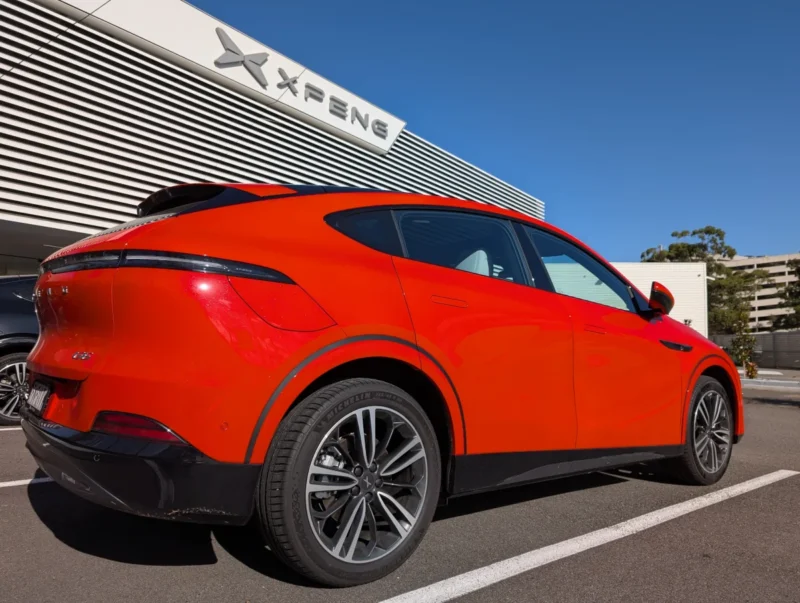
It's not the cheapest option. It's not the longest-range. But it delivers the most complete package — genuine Tesla-level tech, ultra-fast charging that surpasses the Supercharger network, and pricing that undercuts the Model Y by €7,000 in France and £5,000 in the UK.
The 800V architecture is the killer feature. While Tesla Model Y takes 27 minutes for a 10-80% charge, the Xpeng G6 does it in 12 minutes. That's a bathroom break versus a meal stop. For long-distance travel, this matters more than raw range numbers.
Real-world range is solid: 326 miles (Long Range RWD) in official testing, with owners reporting 250-280 miles in mixed winter driving. Not class-leading, but adequate. The Performance AWD variant drops to 316 miles official and around 180 miles in harsh winter conditions — avoid this if range is your priority.
The interior feels premium. Dual 15.7-inch 3K screens, Qualcomm Snapdragon 8295P chip, heated and ventilated seats, 360-degree camera, and adaptive cruise control come standard. Build quality matches European standards, not the panel-gap lottery of early Chinese imports.
XPENG's XNGP autonomous driving system (rolling out Q4 2026 in Europe) will provide Level 2+ highway and city navigation with dual LiDAR sensors. It won't match Tesla FSD's current capabilities, but it's close enough for most use cases.
The downsides? Steering lacks precision on twisty roads. The ride is firm over rough surfaces. The touchscreen-heavy interface frustrates drivers who want physical buttons. And resale values remain uncertain for a brand only three years old in Europe.
But at €46,990 (France) or £39,990 (UK) for the Long Range, versus €54,990+ for a comparable Model Y, the G6 delivers exceptional value. It's the safe choice for buyers who want a direct Tesla competitor without Tesla's price tag.
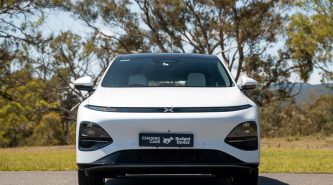
#1 Pick: Xpeng G6 Long Range RWD
€46,990 / £39,990 / $34,900
295 hp (220 kW)
80.8 kWh LFP
10-80% in 12 min (451 kW peak)
7 years/160,000 km vehicle, 8 years battery
6.7 seconds
525-535 km (326 miles)
This is the Model Y alternative that makes the most sense for most buyers. The 800V ultra-fast charging is a genuine game-changer — 12-minute charge stops transform long-distance EV travel. Build quality is excellent, tech is comprehensive, and the price undercuts Tesla by a meaningful margin. Yes, the steering could be sharper and winter range disappoints on the Performance model, but the Long Range RWD hits the sweet spot of range, charging speed, and value. Xpeng is also manufacturing the G6 in Austria via Magna Steyr, which helps with EU tariffs and demonstrates long-term European commitment.
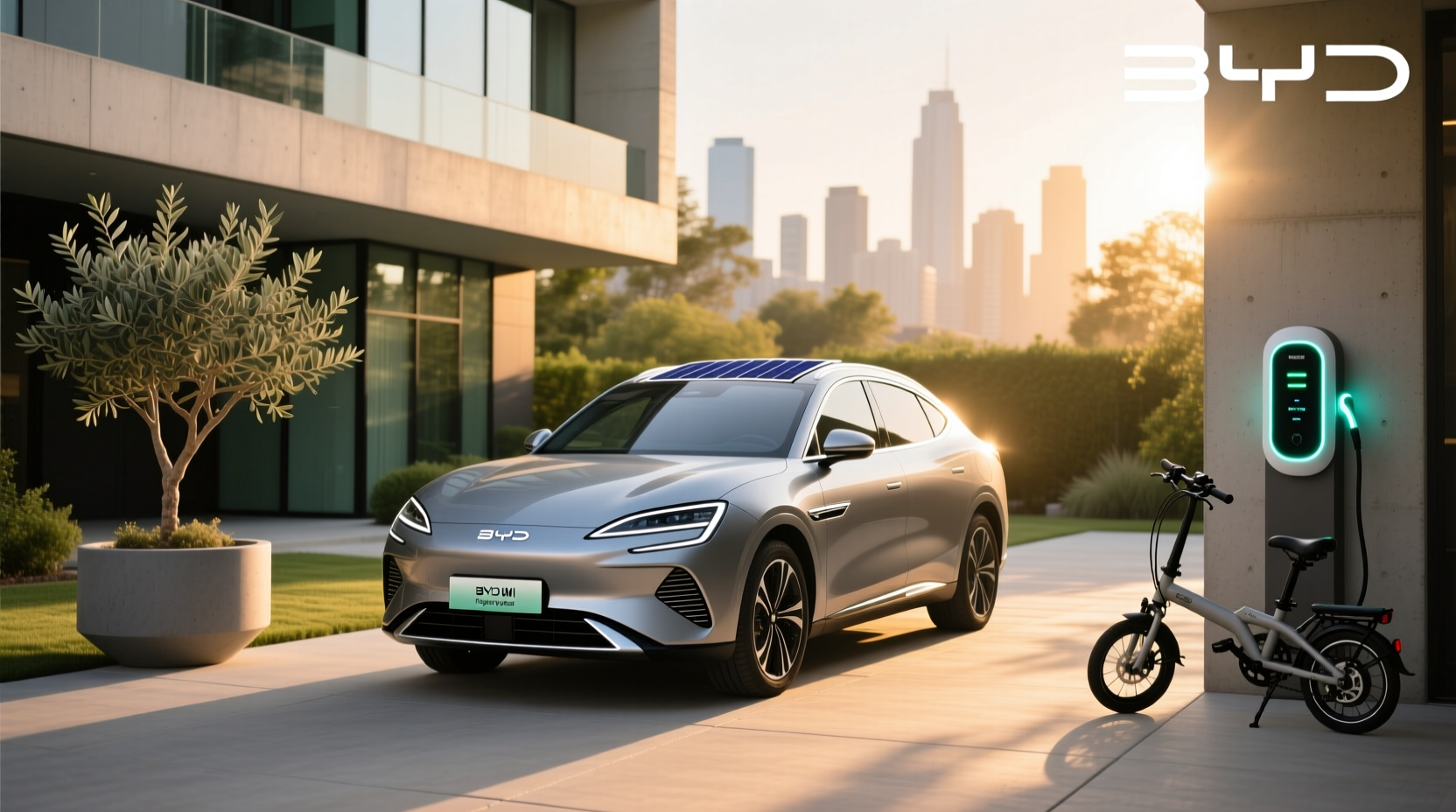
#2 Pick: BYD Seal U DM-i Comfort
£30,090-£38,000 / €35,000-€48,000

Plug-in Hybrid (PHEV)
218-324 hp (FWD/AWD)
18.3 kWh or 26.6 kWh LFP
50-78 miles (WLTP)
8.9s (FWD) / 5.9s (AWD)
40-50 mpg hybrid mode
1,125 km (699 miles)
The BYD Seal U DM-i is the answer for buyers who want electric driving for daily commutes but need gasoline backup for long trips. The 26.6 kWh Comfort variant delivers an extraordinary 78 miles of pure-electric range — better than any European or Japanese PHEV. Combined range exceeds 1,000 km, eliminating all charging anxiety. At £31,000 starting price, it undercuts Tesla by over £13,000 while offering superior practicality. The fatal flaw? Ride quality is terrible. The suspension is jittery over bumps, the car wallows through corners, and high-speed stability is poor. If you can tolerate the jiggly ride, it's an incredible value. If you prioritize driving dynamics, look elsewhere.
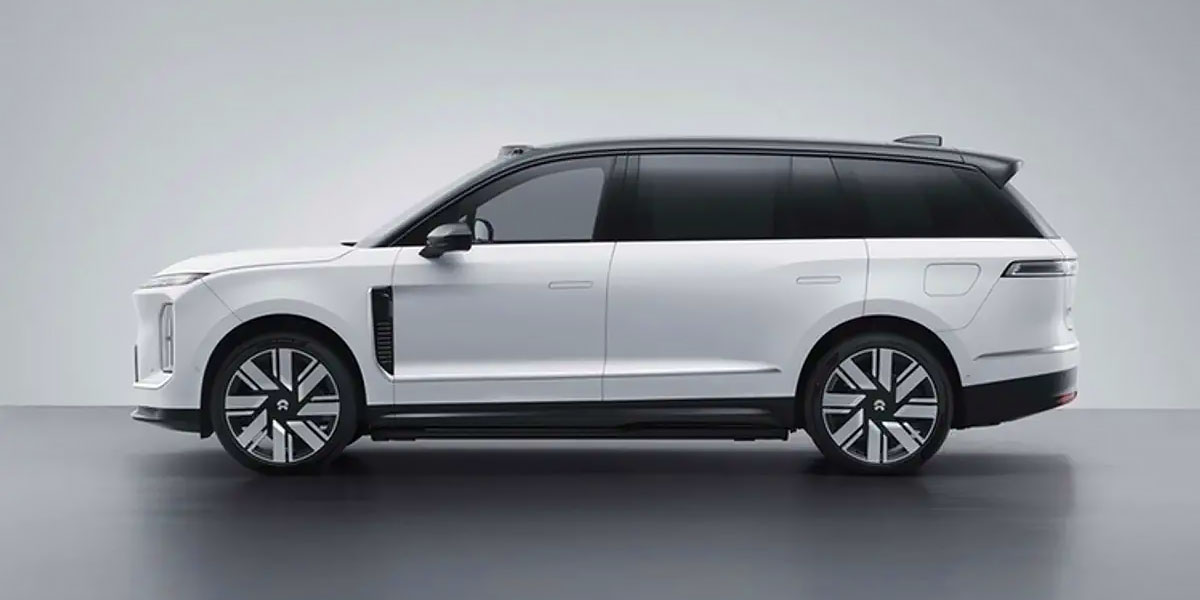
#3 Pick: Li Auto L6 (China Only)
¥249,800-¥279,800 ($34,500-$38,700)

Extended-Range EV (EREV)
300 kW (402 hp) AWD
36.8 kWh LFP
212 km (132 miles) CLTC
5.4 seconds
1,390 km (864 miles)
1.5L turbo 4-cylinder
The Li Auto L6 represents a different approach: a pure EV with a gasoline generator for backup. The 36.8 kWh battery provides 212 km of electric range (CLTC, so expect ~170 km real-world), then the 1.5L engine kicks in to recharge the battery and extend range to 1,390 km. It's not a plug-in hybrid — the engine never directly drives the wheels. The result is electric driving feel with zero range anxiety. Build quality is excellent, the Qualcomm Snapdragon 8295P chip delivers smooth infotainment, and dual-motor AWD provides strong performance. The problem? It's China-only for now. No confirmed European or North American launch. If you're in China or a gray-import market, it's a compelling alternative. For most Western buyers, it's not an option yet.
Head-to-Head: Top Chinese Alternatives vs. Tesla Model Y
| Spec | Xpeng G6 LR | BYD Seal U DM-i | Li Auto L6 | Tesla Model Y LR |
|---|---|---|---|---|
| Price | €46,990 | €35,000 | $34,500 (China) | €54,990 |
| Type | Pure EV | PHEV | EREV | Pure EV |
| Battery | 80.8 kWh | 26.6 kWh | 36.8 kWh | 75 kWh |
| EV Range | 525 km | 125 km | 212 km | 533 km |
| Total Range | 525 km | 1,125 km | 1,390 km | 533 km |
| Charging 10-80% | 12 min | N/A (PHEV) | 20 min | 27 min |
| Power | 295 hp | 218-324 hp | 402 hp | 378 hp |
| 0-100 km/h | 6.7s | 8.9s / 5.9s | 5.4s | 5.0s |
| Availability | Europe, China | Europe, China | China only | Global |
| Warranty | 7yr/160k km | 7yr | 4yr/100k km | 4yr/80k km |
Real-World Range Comparison (Mixed Driving, Winter)
Actual range reported by owners and testers in winter conditions (0-10°C, highway + city mix)
Owner reports, Electrifying.com, Carwow, February 2026
Other Strong Contenders Worth Considering
The Xpeng G6, BYD Seal U DM-i, and Li Auto L6 are the top three, but several other Chinese EVs deserve attention:
Zeekr X (€44,000-€52,000): This compact SUV from Geely's premium brand offers 66 kWh battery, 415-560 km range, and blistering 3.7-second 0-100 km/h in AWD form. It's smaller than the Model Y (4.4m vs. 4.75m length), positioning it more as a Model 3 competitor.
Build quality is exceptional, and the Yamaha 13-speaker sound system is superb. The problem? Range is mediocre (400 km WLTP for AWD), and pricing creeps into premium territory. Buy this if you prioritize driving dynamics and can live with shorter range.
NIO ES6 (€47,000-€55,000): NIO's mid-size SUV offers three battery options (75 kWh, 100 kWh, 150 kWh) with up to 930 km range on the largest pack. The unique selling point is battery swap — you can exchange a depleted battery for a full one in under 5 minutes at NIO Power Swap stations.
In China, this works brilliantly. In Europe, the swap network is sparse. The ES6 also offers premium interior quality, comprehensive ADAS with LiDAR, and strong performance (360 kW AWD, 4.7s 0-100 km/h). But pricing is higher than Xpeng, and the battery swap network outside China remains limited.
BYD Tang (€45,000-€60,000): BYD's larger 7-seat SUV offers PHEV and pure EV variants. The PHEV delivers similar range benefits to the Seal U DM-i in a bigger package. The pure EV version offers up to 600 km range with an 108 kWh battery. It's a strong alternative if you need three rows of seats, but ride quality suffers from the same issues as the Seal U DM-i.

How Chinese Alternatives Score vs. Tesla Model Y
Normalized scores across key metrics (10 = best in class)
| Metric | Xpeng G6 | BYD Seal U DM-i | Li Auto L6 | Tesla Model Y | NIO ES6 |
|---|---|---|---|---|---|
| Value for Money | 9/10 | 10/10 | 9/10 | 6/10 | 7/10 |
| Charging Speed | 10/10 | 6/10 | 8/10 | 7/10 | 7/10 |
| Total Range | 7/10 | 10/10 | 10/10 | 7/10 | 9/10 |
| Tech & Software | 8/10 | 7/10 | 8/10 | 9/10 | 8/10 |
| Build Quality | 8/10 | 6/10 | 8/10 | 7/10 | 9/10 |
| Driving Dynamics | 6/10 | 4/10 | 7/10 | 8/10 | 7/10 |
| Service Network | 6/10 | 8/10 | 4/10 | 9/10 | 5/10 |
What You Get at Each Price Point
€30,000-€38,000
BYD Seal U DM-i dominates this bracket. You get plug-in hybrid versatility, extraordinary combined range, and comprehensive equipment. Ride quality is poor, but value is unbeatable. The Xpeng G6 Standard Range (€42,000) is borderline here — slightly more expensive but delivers pure EV experience with decent 435 km range.
€38,000-€48,000
This is the sweet spot. Xpeng G6 Long Range (€46,990) offers the best balance of range, charging speed, and tech. Zeekr X (€44,000) provides premium feel in a compact package. NIO ES6 with 75 kWh battery (€47,000) delivers battery swap capability and luxury interior. All three undercut Tesla Model Y Long Range significantly.
€48,000-€60,000+
You're entering Tesla Model Y territory. At this price, the NIO ES6 with 100 kWh battery (€55,000) offers up to 610 km range and premium positioning. The Xpeng G6 Performance (€50,990) adds AWD and sporty acceleration. BYD Tang EV delivers 7-seat capacity. But honestly, unless you specifically need battery swap (NIO) or extra seats (Tang), the Xpeng G6 Long Range at €7,000 less offers better value.
Price Comparison: Chinese EVs vs. Tesla Model Y
Starting prices in Europe (base Long Range / equivalent variants)
Manufacturer pricing, February 2026
Which Chinese EV Should You Buy?
Long-distance drivers who hate charging stops
Xpeng G6 Long Range. The 12-minute charging time is a legitimate game-changer. You'll spend less time at chargers than Tesla owners despite having slightly less range.
Commuters who want EV driving without range anxiety
BYD Seal U DM-i Comfort (26.6 kWh). Drive 78 miles pure-electric daily, use gasoline for road trips. Combined 1,125 km range eliminates all charging stress. Just accept the poor ride quality.
Tech enthusiasts who want the latest features
Xpeng G6 Long Range. The 800V architecture, Qualcomm 8295P chip, and upcoming XNGP autonomous driving (Q4 2026) deliver cutting-edge tech at mid-range pricing.
Budget-conscious families needing maximum space
BYD Tang PHEV or wait for Li Auto L6 international availability. Both offer 7-seat / 6-seat capacity with extended range at lower prices than European alternatives.
Drivers in urban areas with access to NIO Power Swap
NIO ES6 100 kWh. Battery swap transforms the EV experience — 5-minute swaps beat even the fastest charging. Only viable if swap stations are convenient to your routes.
Performance seekers on a budget
Zeekr X AWD. 3.7-second 0-100 km/h for €52,000 is supercar-fast. Range is mediocre (400 km), but if you prioritize acceleration, nothing else at this price matches it.
Common Mistakes to Avoid
Charging Infrastructure Reality Check
The Xpeng G6's 12-minute charging sounds revolutionary — and it is, when you can access it. But there's a catch: you need ultra-high-power chargers (350 kW+) to achieve those speeds.
In Europe, the Ionity network offers 350 kW chargers across major routes. Tesla Superchargers max out at 250 kW. Most public chargers deliver 50-150 kW. At a typical 150 kW charger, the Xpeng G6 still charges faster than competitors, but not the headline-grabbing 12 minutes.
Real-world charging stops average 18-25 minutes for 10-80% at commonly available chargers — still better than Tesla's 27 minutes, but not the dramatic difference marketing implies.
For plug-in hybrids like the BYD Seal U DM-i, charging infrastructure matters less. You can charge overnight at home on a standard plug (6-10 hours for full charge) and use gasoline for longer trips. This flexibility is why PHEVs remain popular despite pure EVs getting the headlines.
The Li Auto L6's extended-range system eliminates charging infrastructure concerns entirely — the 1.5L generator keeps the battery topped up, so you're never stranded looking for a charger. But you sacrifice some efficiency versus pure EV driving.
Charging Curve Comparison: Xpeng G6 vs. Tesla Model Y
Charging power (kW) across state of charge — illustrates why Xpeng charges faster
Manufacturer data, EV Database
What real people think
Mostly positiveSourced from Reddit, Twitter/X, and community forums
Expert reviewers and early adopters agree: the Xpeng G6 delivers the best overall package for most buyers, while BYD Seal U DM-i offers unbeatable value for plug-in hybrid flexibility. Li Auto L6 is highly praised in China but unavailable elsewhere.
Xpeng G6 consistently recommended as the top Tesla Model Y alternative in European markets. Owners praise charging speed and build quality. Common complaint: touchscreen-heavy interface frustrates drivers who want physical buttons. Winter range on Performance variant disappoints.
"The Xpeng G6 is an impressive amount of car for the money. Not just in terms of the equipment and space, but also in terms of the battery tech and charging... makes a lot of its rivals look pretty expensive." Reviewer notes ride comfort is merely 'okay' and steering precision lags Tesla.
BYD Seal U DM-i praised for "terrific hybrid engine, plenty of standard kit and budget-friendly price," but criticized for "cheap-feeling cabin" and poor ride comfort. "The duality means the Seal U feels a bit like something from the middle aisle of Lidl." Excellent value, compromised execution.
Li Auto L6 described as a strong value proposition with "luxury features, affordable pricing, and cutting-edge technology." Chinese buyers appreciate the extended-range system for eliminating charging anxiety. Top-selling model in its segment in China.
NIO ES6 praised for battery swap capability and premium interior quality. "Impressive plug-in hybrid SUV with good electric-only range and competitive price." Service network remains limited outside major cities. Resale values uncertain for relatively new brand.
BYD Seal U DM-i efficiency impresses: "40-50 mpg in hybrid mode without charging, even better in city driving with electric assistance." Reviewer notes the 78-mile EV range on Comfort trim "beats anything from Toyota, Honda, or Hyundai" in the PHEV segment.

The Resale Value Question
Tesla maintains strong resale values because of brand recognition, extensive service network, and proven long-term reliability. Chinese EVs are too new in Western markets to have established resale patterns.
What Car? UK predicts the BYD Seal U DM-i will "depreciate more slowly than all those rivals" (Hyundai Tucson, Kia Sportage, MG HS PHEV), suggesting Chinese brands are building resale value credibility. But this is speculative.
The smart strategy? If you plan to keep the vehicle 5+ years, resale values matter less — total cost of ownership favors the cheaper purchase price of Chinese EVs. If you trade vehicles every 2-3 years, Tesla's stronger resale could offset the higher initial cost.
Warranty coverage partially mitigates this risk. Xpeng's 7-year/160,000 km warranty and NIO's similar coverage provide longer protection than Tesla's 4-year/80,000 km. You're covered during the high-depreciation early years.
Final Verdict: Which One Should You Buy?
Buy the Xpeng G6 Long Range RWD if you want the closest thing to a Tesla Model Y at a significantly lower price. The 12-minute charging is real (when infrastructure allows), the 525 km range is adequate for most use cases, and the €46,990 price undercuts Tesla by €8,000. It's the consensus pick for good reason.
Buy the BYD Seal U DM-i Comfort if you prioritize maximum flexibility and value over driving dynamics. The 78-mile EV range handles daily commuting electric-only, while 1,125 km combined range eliminates road trip anxiety. At £31,000, it's the best value in this comparison. Just test drive it first — the poor ride quality is a deal-breaker for some.
Don't buy the Li Auto L6 (yet) unless you're in China. It's an excellent vehicle with compelling technology, but lack of international availability makes it irrelevant for most Western buyers. If Li Auto launches in Europe or North America in 2027, reassess.
Consider the NIO ES6 if you live near NIO Power Swap stations and value the 5-minute battery swap experience. The premium interior and 930 km maximum range (150 kWh battery) are impressive. But higher pricing and sparse swap network outside China limit its appeal.
Skip the Zeekr X unless you specifically want compact size or blistering acceleration. It's a great car, but the Xpeng G6 offers more space, better range, and comparable tech for similar money.
The Chinese EV revolution is here. These vehicles aren't cheap alternatives anymore — they're legitimate competitors that force Tesla to justify its premium. Buy with confidence.
Rate this article
Your feedback helps surface the best content
Related articles
Have a question? Get your own article.
Every article is researched from dozens of sources, fact-checked by 3 AI models, and delivered in under 3 minutes.