The Best City for Digital Nomads in 2025

March 20, 2026 · 8 min read
···
- Chiang Mai, Thailand
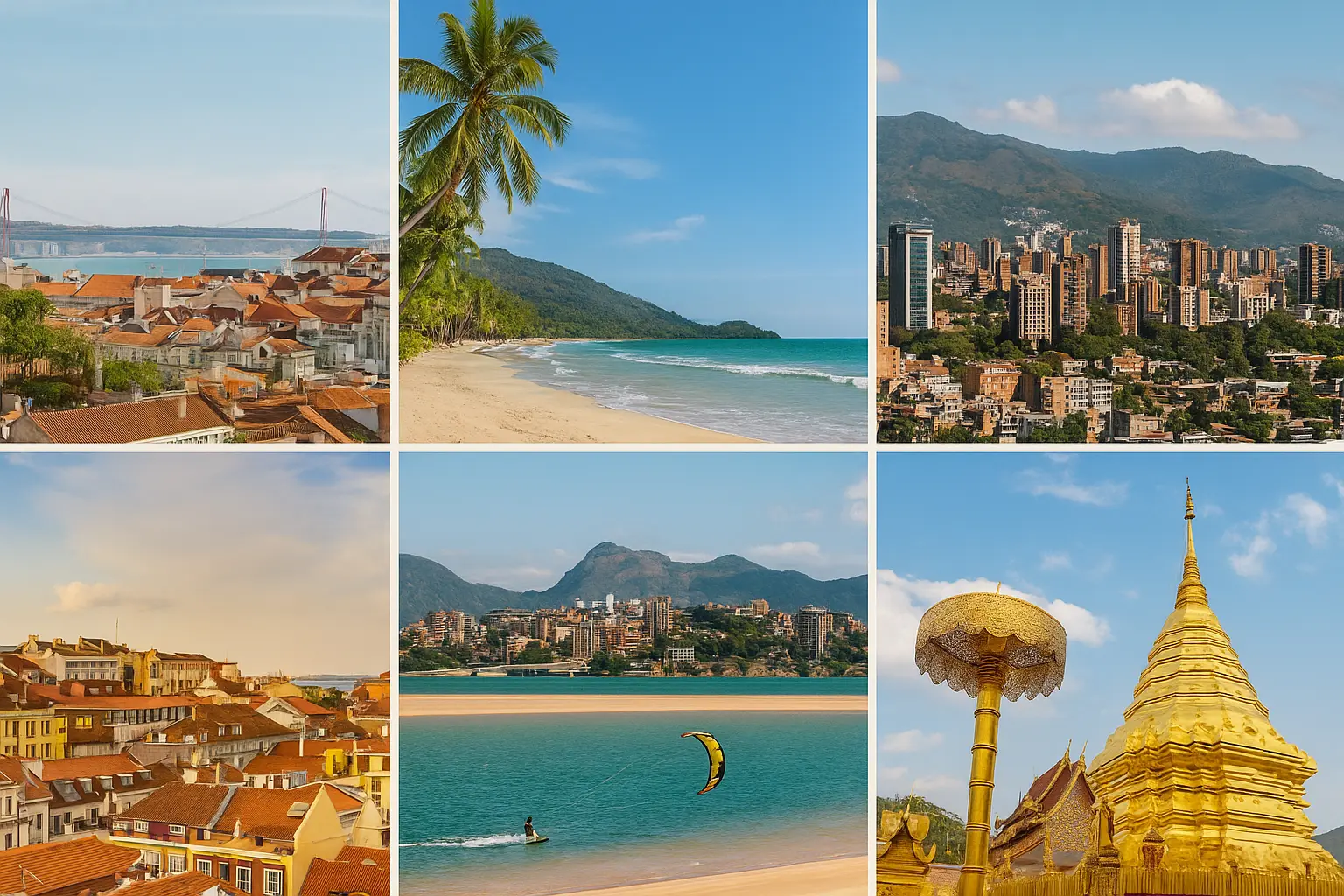
Chiang Mai, Thailand is the best city for digital nomads in 2025. It strikes the perfect balance of affordability ($800-1,500/month), reliable infrastructure (150-500 Mbps internet), an established nomad community with 6,000+ remote workers, and exceptional quality of life. While Lisbon and Medellín have their merits, they can't match Chiang Mai's combination of value, infrastructure, and community.
Key Takeaways
- Chiang Mai costs 40-50% less than Lisbon while delivering comparable or better infrastructure
- Internet speeds in Chiang Mai (150-500 Mbps) rival or exceed most Western cities
- Over 6,000 digital nomads currently live in Chiang Mai, creating unmatched networking opportunities
- Thailand now offers long-term visa options including Smart Visa and LTR programs
- Avoid March-April in Chiang Mai due to burning season pollution
Watch Out For
- ⚠Bali (Canggu) has become overcrowded and expensive—prices now rival Europe
- ⚠Medellín safety concerns are real: petty crime and robberies remain common, especially at night
- ⚠Lisbon's cost of living has skyrocketed—expect €1,500-2,000/month minimum
- ⚠Da Nang lacks the established community and coworking density of top-tier hubs
Digital Nomad Cities at a Glance
6,000+▲
Digital nomads in Chiang Mai
Nomads.com, Starting Nowhere, Multiple sources 2025

Why Chiang Mai Wins in 2025
After analyzing cost data, internet speeds, visa policies, and community feedback from thousands of digital nomads, Chiang Mai emerges as the clear winner for 2025. This isn't just sentiment—it's backed by numbers.
Chiang Mai has been called the "freshman dorm of online business ownership" for good reason. It's where the digital nomad movement was born, and unlike trendy newcomers that have been ruined by overtourism, Chiang Mai has matured into a sustainable, functional city for remote workers.
The city currently hosts over 6,000 digital nomads according to Nomads.com data from October 2025. This critical mass creates something competitors can't replicate: an established ecosystem of coworking spaces (20+ options), networking events, skill swaps, and genuine community.
But community alone doesn't pay the bills. Chiang Mai's cost of living remains shockingly affordable. You can live comfortably on $800-1,500 per month including rent ($250-400 for apartments), coworking ($100/month), and local meals ($2-3). Compare this to Lisbon at €1,500-2,000/month or even Medellín at $1,200-2,000.
The internet situation seals the deal. Thailand has some of the best internet speeds in the world, with Chiang Mai cafés and coworking spaces routinely delivering 150-500 Mbps. Multiple nomads report speeds exceeding 300 Mbps—faster than most home connections in the UK, US, or Europe. Fiber connections are standard, not luxury.
Visa situations have improved dramatically. While Thailand previously required frustrating border runs every 60-90 days, the government now offers Smart Visa and Long-Term Resident (LTR) visa programs for qualified remote workers. Education visas and careful planning can keep you legal for extended periods.
After analyzing cost data, internet speeds, visa policies, and community feedback from thousands of digital nomads, Chiang Mai emerges as the clear winner for 2025.
🏆 #1: Chiang Mai, Thailand
$800-1,500/month

Smart Visa, LTR, Education
$250-400/month
6,000+
150-500 Mbps
20+ (Punspace, Yellow, Alt)
$800-1,500
Chiang Mai is the undisputed champion. It delivers everything a digital nomad needs: fast internet, affordable living, established infrastructure, and a massive community—all without the chaos and gentrification plaguing Bali or the safety concerns of Medellín. The city has matured into a sustainable nomad hub rather than a flash-in-the-pan trend. Yes, you'll avoid March-April due to burning season pollution, but that's a small price for 10 months of near-perfect conditions.
#2: Lisbon, Portugal
€1,500-2,000/month

300+ sunny days/year
1 year renewable to 2 years
High-speed fiber available
D8 Visa (€3,680/month income required)
€1,500-2,000 ($1,600-2,100)
€900-1,200/month
Lisbon is the best European option for digital nomads, offering EU access, excellent weather, and strong infrastructure. However, it's become significantly more expensive than pre-2020. The city has been discovered, and prices reflect that. You're paying €1,500-2,000 monthly minimum, roughly double Chiang Mai's cost. The Portugal D8 Digital Nomad Visa requires €3,680 monthly income—a high bar for many freelancers. If you can afford it and need EU residency, Lisbon delivers quality of life. But if budget matters, you'll get better value elsewhere.
#3: Medellín, Colombia
$1,200-2,000/month

Spring-like year-round (15-28°C)
200+ Mbps fiber widely available
V-Type Visa (up to 2 years)
$1,200-2,000
El Poblado, Laureles, Envigado
8,300 arrivals
Medellín offers "eternal spring" weather and solid infrastructure, but safety concerns are legitimate. Multiple nomad reviews from 2024-2025 report robberies at gunpoint or knifepoint, even in supposedly safe areas like El Poblado. Petty crime is common. The city has gentrified rapidly, and locals are increasingly resentful of digital nomads driving up housing costs. It's no longer the bargain it was—costs now rival European cities without European safety standards. If you speak Spanish, stay street-smart, and choose safe neighborhoods carefully, Medellín works. But for first-time nomads or solo women, there are better options.


The Runners-Up: Why They Don't Make the Cut
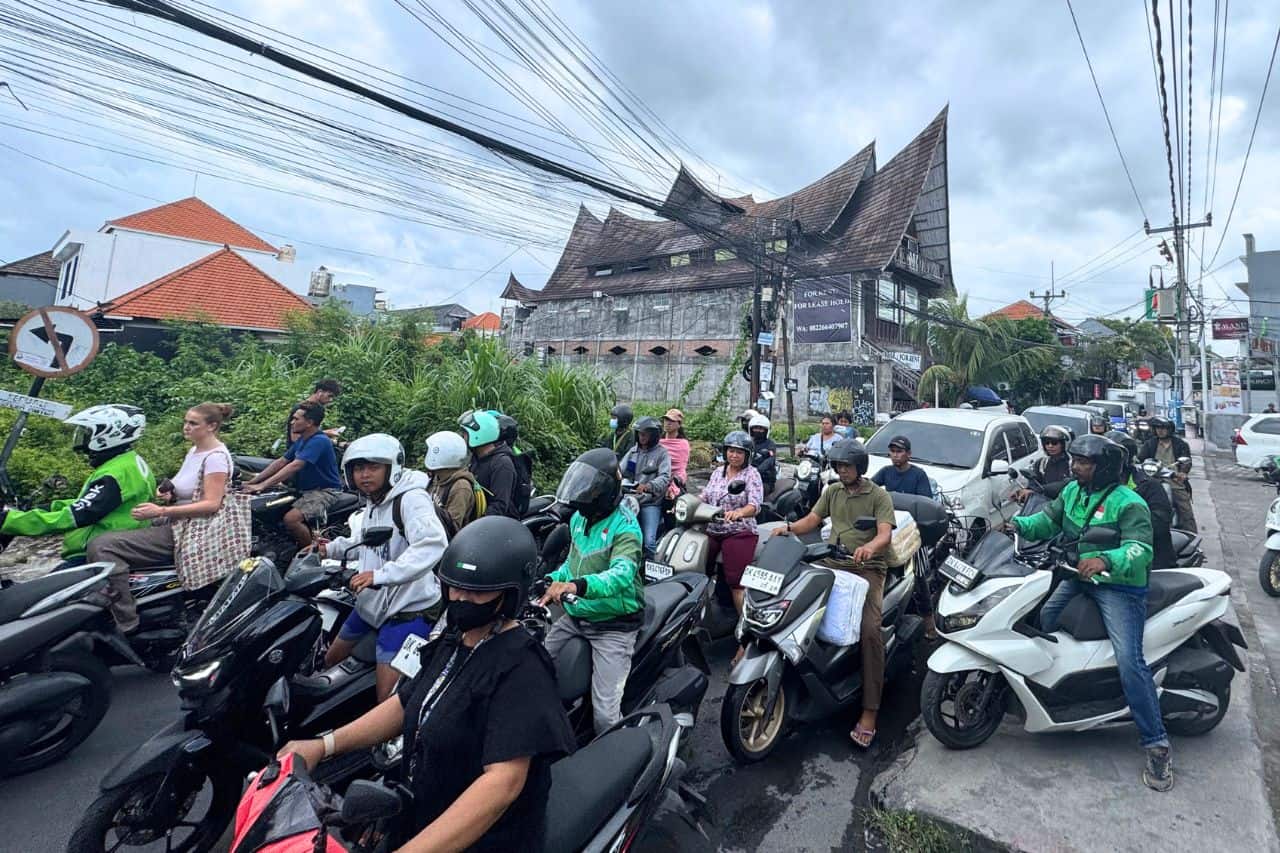
Bali (Canggu), Indonesia was once a digital nomad paradise. In 2025, it's an overcrowded, overpriced mess. Nomads who lived there in 2017-2019 report the area is "unrecognizable" after influencer-driven overtourism. Traffic is gridlocked, infrastructure struggles to keep up, cleanliness is poor ("Bali belly" is common), and costs have surged to match or exceed European prices.
Villa break-ins are frequent. One long-term nomad called it "1/10" compared to other Asian options. The spiritual community vibe remains, but you'll pay Western prices for developing-world infrastructure.
Da Nang, Vietnam is emerging as an affordable alternative ($1,000-1,500/month), with beautiful beaches and lower costs than established hubs. However, it lacks the coworking density, community size, and established nomad ecosystem of Chiang Mai. It's worth considering for those who want to avoid crowds, but you'll sacrifice networking opportunities.
Mexico City attracts 8,300+ digital nomads monthly but suffers from altitude sickness issues, higher crime in certain areas, and costs that are climbing toward $1,500-2,000/month in desirable neighborhoods like Roma and Condesa. It's solid for Latin America specialists but not a global top choice.
Bangkok, Thailand offers even better infrastructure than Chiang Mai—modern condos with pools and gyms for $600-800/month, crazy-fast internet, and unparalleled food. The downsides: perpetual pollution, sewage smells in many areas, and hectic urban energy that makes focused work harder.
For those who love big-city energy, it's fantastic. For sustained productivity and community, Chiang Mai wins.
Monthly Cost of Living Comparison
Total monthly expenses for a single digital nomad including rent, food, coworking, and lifestyle
Nomads.com, Multiple nomad guides 2025
Top Cities Performance Score
How the leading digital nomad cities compare across critical factors (scored out of 10)
| Metric | Chiang Mai | Lisbon | Medellín | Canggu (Bali) | Da Nang |
|---|---|---|---|---|---|
| Affordability | 9/10 | 5/10 | 6/10 | 4/10 | 8/10 |
| Internet Speed | 10/10 | 8/10 | 9/10 | 6/10 | 7/10 |
| Community Size | 10/10 | 7/10 | 8/10 | 7/10 | 4/10 |
| Safety | 8/10 | 9/10 | 5/10 | 7/10 | 8/10 |
| Visa Ease | 7/10 | 6/10 | 7/10 | 5/10 | 6/10 |
| Coworking Infrastructure | 10/10 | 8/10 | 8/10 | 7/10 | 5/10 |
Quick City Comparison
| City | Monthly Cost | Internet | Visa | Best For |
|---|---|---|---|---|
| Chiang Mai | $800-1,500 | 150-500 Mbps | Smart/LTR Visa | Budget + Community |
| Lisbon | €1,500-2,000 | Fast fiber | D8 (€3,680/mo required) | EU Access |
| Medellín | $1,200-2,000 | 200+ Mbps | V-Type 2 years | Spring Weather |
| Canggu | $1,500-2,000 | Variable | Tourist/Social | Surfing (Overpriced) |
| Da Nang | $1,000-1,500 | 100+ Mbps | Tourist visa | Budget Beach Life |

Digital Nomad Budget Breakdown
Under $1,000/month
Possible in Chiang Mai, Da Nang, or Tbilisi with careful budgeting. Expect basic apartments, street food, and limited social activities. You'll skip coworking spaces and work from cafés.
$1,000-1,500/month
The sweet spot for most nomads. Comfortable apartment, coworking membership, eating out regularly, and social life. This budget works perfectly in Chiang Mai, adequately in Da Nang or Medellín.
$1,500-2,000/month
Mid-range comfort. Nicer apartment, gym membership, regular dining out, weekend trips. Required minimum for Lisbon, comfortable in Medellín, luxury in Chiang Mai.
$2,000+/month
High-end nomad life. Premium apartments, fine dining, private offices, health insurance. At this budget, location choice becomes about preference (weather, culture) rather than affordability.
What About Internet Reliability?
Internet speed isn't just about Mbps—it's about reliability. Chiang Mai excels here. Multiple nomads working in video production, software development, and live client calls report that Chiang Mai's internet is more stable than what they had in the UK or US.
Most Chiang Mai apartments come with fiber internet (50-150 Mbps for residential). Coworking spaces deliver 150-500 Mbps routinely. Cafés often have both 2.4GHz and 5GHz networks, with the 5G option delivering speeds over 300 Mbps. Infrastructure providers like Biznet, AIS Fiber, and True offer reliable service.
Lisbon similarly offers gigabit fiber in many areas, though residential options are pricier. Medellín's internet is solid (200+ Mbps fiber common) but less ubiquitous outside El Poblado and Laureles.
Bali is the weak link. Canggu's infrastructure struggles with overcrowding. Power outages occur occasionally, internet can be spotty in cheaper accommodations, and you'll want backup mobile data. Indonesia is a developing country, and the internet reflects that—it's usable but not reliable for mission-critical work without redundancy.
Cities to Avoid in 2025
What real people think
Mostly positiveSourced from Reddit, Twitter/X, and community forums
The digital nomad community strongly agrees: Chiang Mai remains the best overall city for remote workers in 2025. While specific preferences vary (beach vs mountains, party vs quiet), Chiang Mai consistently ranks #1 for value, infrastructure, and community. Nomads.com data shows it's currently the top-ranked city for digital nomads worldwide.
"Chiang Mai is the easiest place to live of anywhere. Everything is easy, so I can focus on work and not be stressed about logistics. Low stress, cheap, good amenities, easy English."
"Chiang Mai is currently the top city for digital nomads to live and work in. The stats don't lie—6,000+ nomads here for a reason. Internet better than ever, food is better than ever."
"Was great in 2019, but things have gotten worse. Locals are tired of gentrification, and it's attracted the wrong type of foreigners. Know far too many people robbed at gunpoint to return."
"Used to live here in 2017—perfect balance of development and local culture. Coming back in 2023, this place is unrecognizable. Influencers overdeveloped it with no regard to local culture."
"Lisbon is beautiful with great weather and infrastructure, but it's expensive now. €1,500-2,000 minimum monthly. Still best in Europe, but not a budget destination anymore."
Which City Matches Your Profile?
First-time digital nomad (Budget under $1,500/month)
Chiang Mai without question. Established infrastructure, massive community for networking, affordable, and forgiving for beginners. You'll make friends easily and learn the ropes from experienced nomads.
High earner seeking EU residency
Lisbon. The Portugal D8 visa leads to permanent residency after 5 years, then citizenship. You're paying for access to the EU and a pathway to a top-tier passport.
Spanish speaker who prioritizes weather
Medellín. If you speak Spanish, understand Latin American street safety, and want eternal spring weather, Medellín delivers. Just stay in El Poblado or Laureles and take safety seriously.
Surfer / beach lifestyle seeker
Skip Bali. Try Da Nang, Vietnam instead—beaches, lower costs, less crowded, better infrastructure. Or Portugal's Algarve region if you have the budget.
Tech worker needing rock-solid internet
Chiang Mai or Bangkok, Thailand. Both offer 150-500+ Mbps fiber widely available. Bangkok has slight edge on infrastructure but Chiang Mai wins on livability and cost.
Solo female traveler prioritizing safety
Chiang Mai or Lisbon. Both are safe, walkable, and have established expat communities. Skip Medellín unless you're very experienced with Latin America.
The Burning Season Reality Check
Chiang Mai has one major flaw: burning season. From late February through April, Northern Thailand experiences severe air pollution from agricultural burning. March and April are particularly bad—sometimes ranking among the worst air quality on the planet.
This is not a minor inconvenience. AQI levels can exceed 300-400 during peak burning season, making outdoor activities unpleasant and potentially dangerous for those with respiratory issues. Many long-term nomads leave Chiang Mai during these months.
The solution is simple: plan around it. Chiang Mai is spectacular from November through early February (cool season with perfect weather). May through October is rainy season but still workable. Just avoid March-April.
Compare this to Lisbon's 300+ sunny days per year or Medellín's eternal spring, and you see why some nomads accept higher costs for better year-round weather. But for 8-10 months of the year, Chiang Mai is hard to beat.
Digital Nomad Destination Popularity Trends (2020-2025)
Based on Nomads.com user data and search trends
Nomads.com popularity data, Google Trends analysis


The Verdict: Chiang Mai Still Reigns
After weighing costs, infrastructure, community, safety, and quality of life, Chiang Mai remains the undisputed best city for digital nomads in 2025.
It's not perfect. Burning season forces an exodus every March-April. The city lacks the beach lifestyle of Bali or the European prestige of Lisbon. And some nomads find the community oversaturated with dropshippers and course sellers.
But no other city delivers this combination: $800-1,500 monthly budget, 150-500 Mbps internet, 20+ coworking spaces, 6,000+ fellow nomads, walkable neighborhoods, incredible food for $2-3, and a lifestyle that balances productivity with wellness.
Lisbon is the runner-up for those who can afford €1,500-2,000 monthly and want EU access. Medellín works for Spanish speakers who prioritize weather over safety concerns. But for most digital nomads—especially those starting out or optimizing for value—Chiang Mai is the answer.
The data doesn't lie. Nomads.com currently ranks Chiang Mai as the #1 digital nomad city globally. Over 6,000 remote workers call it home. The city pioneered this lifestyle, and while competitors have emerged, none have matched its balance of affordability, infrastructure, and community.
Chiang Mai is still the freshman dorm of digital nomad life. And sometimes, the classics are classic for a reason.
Sources
- 1.Nomads.com - Digital Nomad Chiang Mai Guide 2025
- 2.Starting Nowhere - Chiang Mai Best City for Digital Nomads
- 3.Best Cities for Digital Nomads 2025 - Native Teams
- 4.Top 100 Digital Nomad Destinations 2025 - Hotel With Tub
- 5.Portugal Digital Nomad Visa Guide - Global Citizen Solutions
- 6.Medellín Safety Guide for Digital Nomads 2025
- 7.Digital Nomad Guide to Medellín - Howdy
- 8.Bali Digital Nomad Guide 2025 - Digital Nomads World
- 9.Cost of Living in Canggu - Nomads.com
Rate this article
Your feedback helps surface the best content
Related articles
Have a question? Get your own article.
Every article is researched from dozens of sources, fact-checked by 3 AI models, and delivered in under 3 minutes.
Triple-Verified — 4 corrections applied across 1 verification stages applied