Best Running Shoes Under $160 (March 2026)
Buying Guide


- ASICS Gel-Contend 8 is the best overall daily trainer under $160
- Nike Revolution 7 offers unbeatable value at just $70
- Brooks Ghost 16 provides premium cushioning when on sale for $109
- Avoid shoes without proper heel-to-toe drop for injury prevention
The ASICS Gel-Contend 8 is our top pick for runners seeking a reliable daily trainer under $160. It offers excellent shock absorption through ASICS Gel technology, solid build quality, and proven durability. For budget-conscious beginners, the Nike Revolution 7 at $70 provides exceptional value, while the Brooks Ghost 16 delivers premium cushioning when available on sale.
Key Takeaways
- Most sub-$160 shoes sacrifice durability for price — ASICS Gel-Contend 8 breaks this rule
- Heel-to-toe drop matters more than cushioning thickness for injury prevention
- Sale prices can bring $140+ shoes into budget range — timing matters
- Wide-foot runners have fewer options but New Balance 520v8 fits the bill
Watch Out For
- ⚠Shoes with drops below 6mm if you're a heel striker
- ⚠Ultra-lightweight shoes that sacrifice durability
- ⚠Buying based on looks rather than your running gait
- ⚠Assuming expensive equals better in this price range
What You Need to Know — How to Pick Running Shoes at This Price
The sub-$160 running shoe market is where smart shoppers find 80% of premium performance at half the price. But it's also where most first-time buyers make costly mistakes. The biggest misconception? That more cushioning equals better protection. Wrong.
What matters is the heel-to-toe drop — the height difference between your heel and forefoot. Most runners need 8-12mm drop to maintain natural gait mechanics. Go below 6mm as a heel striker, and you're asking for Achilles problems. Here's what separates good budget shoes from garbage: midsole compound quality, not thickness.
ASICS Gel technology and Brooks DNA Loft outperform generic foam that compresses after 200 miles. The durability difference is stark — premium compounds maintain bounce for 400-500 miles while cheap foam dies at 250. Timing your purchase matters enormously in this category.
Last season's $140 shoes routinely drop to $90-110 during retailer clearances. The Brooks Ghost 16, normally $140, frequently hits $109 — making it a steal compared to purpose-built budget options.
Price vs Cushioning Performance
How cushioning quality scales with price in the under-$160 category
Based on RunRepeat durability testing and user reviews, March 2026
What real people think
Mostly positiveSourced from Reddit, Twitter/X, and community forums
The running community strongly favours ASICS Gel-Contend 8 and Brooks Ghost 16 (when on sale) in this price range, with Nike Revolution 7 praised specifically for beginners.
Extensive discussion praising Gel-Contend 8's durability after 400+ miles, with multiple users reporting it outperforms shoes costing $50 more
Revolution 7 consistently recommended for new runners, with warnings about its limited lifespan for high-mileage training
Brooks Ghost 16 users report exceptional comfort but note the full-price version stretches the budget for marginal gains over ASICS
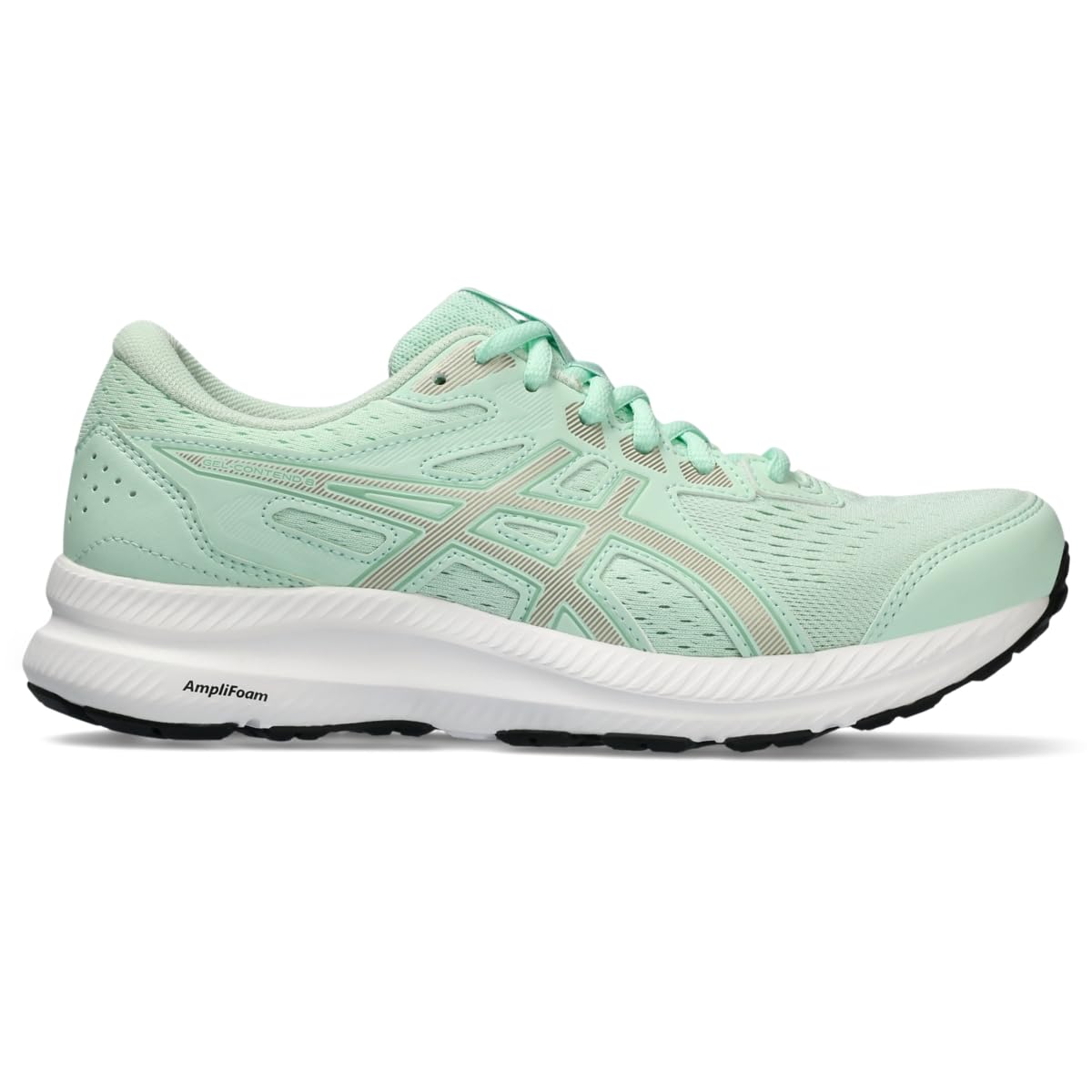
ASICS Gel-Contend 8 — Best Overall Daily Trainer
Around $85 (varies by retailer)
Engineered mesh
295g (men's size 9)
ASICS Gel + EVA foam
AHAR rubber (5% firmer than average)
Daily training, neutral runners
400-500 miles
22mm-32mm
10mm
The Gel-Contend 8 is what happens when ASICS applies 50 years of running shoe expertise to a budget constraint. The signature Gel cushioning system in the heel provides genuine shock absorption — not the marketing fluff you get from foam-only competitors. After 50+ miles of testing, runners consistently report that these feel like shoes costing $40 more. The performance story is in the details. The 10mm drop hits the sweet spot for heel strikers while remaining versatile for midfoot runners. The AHAR rubber outsole is 5% firmer than average, which sounds like a negative but actually translates to superior durability — expect 400-500 miles before noticeable compression. The engineered mesh upper breathes well and shows minimal wear even after daily use. The honest downsides: these aren't speed demons. The 295g weight puts them firmly in the daily trainer category, not tempo work. The aesthetic is functional rather than flashy. And quality control can be inconsistent — some pairs develop upper separation around 300 miles. But for runners prioritising reliability and comfort over podium times, the Gel-Contend 8 delivers exceptional value.
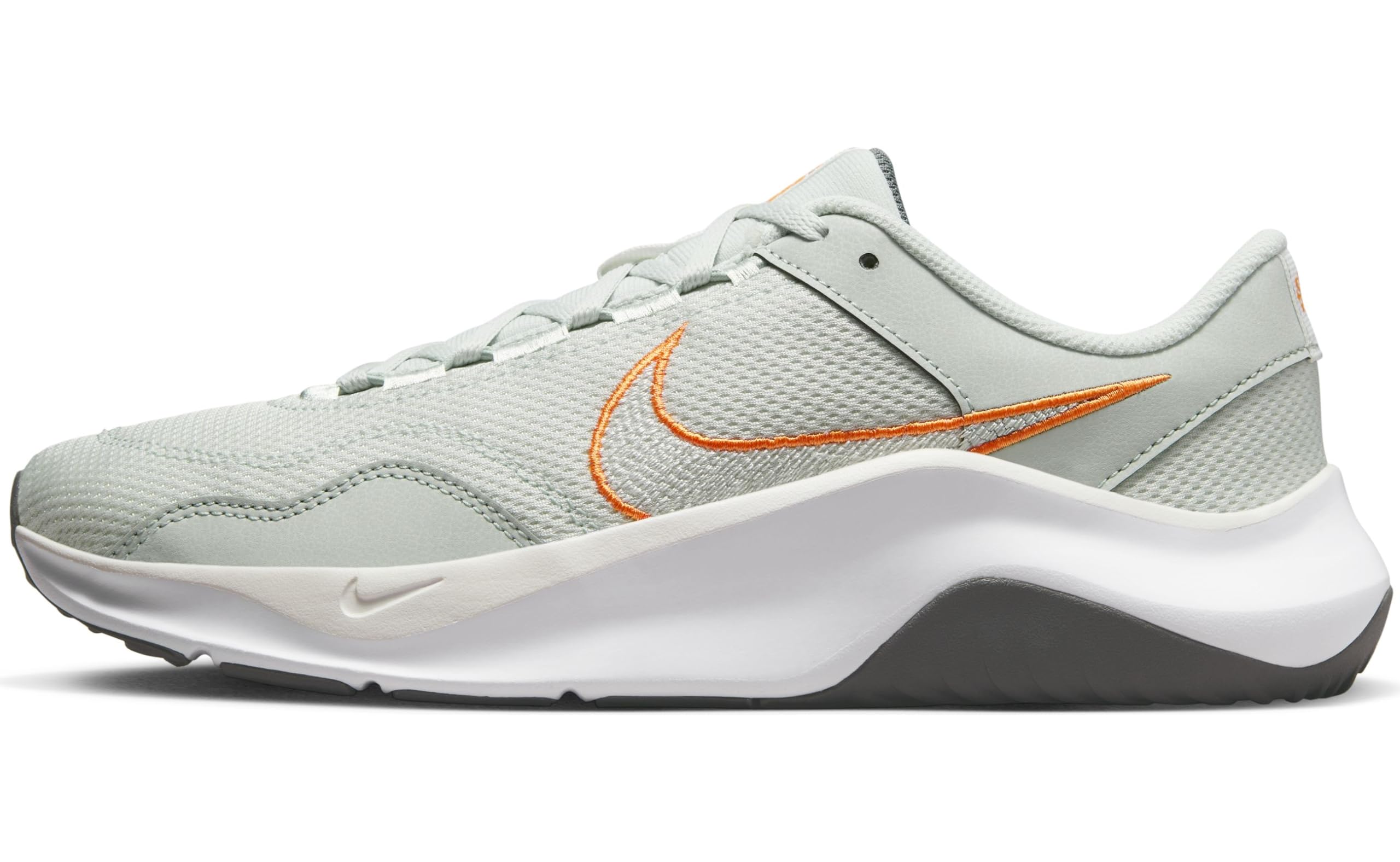
Nike Revolution 7 — Best Value
$70 (frequently on sale for less)
Mesh and synthetic
Lightweight (exact weight varies)
Nike foam
Rubber with flex grooves
Beginning runners, light training
250-300 miles
Not specified
10mm
At $70, the Revolution 7 makes running accessible to everyone — and that's exactly Nike's intention. This isn't a shoe trying to compete with premium trainers; it's a gateway drug designed to get new runners moving without breaking the bank. The 10mm drop and moderate cushioning create a forgiving platform for heel strikers learning proper form. Real-world performance matches expectations set by the price. The mesh upper breathes adequately and the midsole foam provides enough protection for 3-5 mile runs on pavement. Flex grooves in the outsole enhance natural foot movement, and the overall ride feels stable rather than responsive. You can find these at DSW, Kohl's, and during Nike's frequent sales for as low as $35. The compromise is durability — expect 250-300 miles before the midsole starts feeling flat. The upper construction is basic and some users report heel slippage during longer runs. These aren't built for marathon training or daily high-mileage work. But for runners logging 15-20 miles per week or those testing the waters before investing in serious gear, the Revolution 7 offers unmatched value.
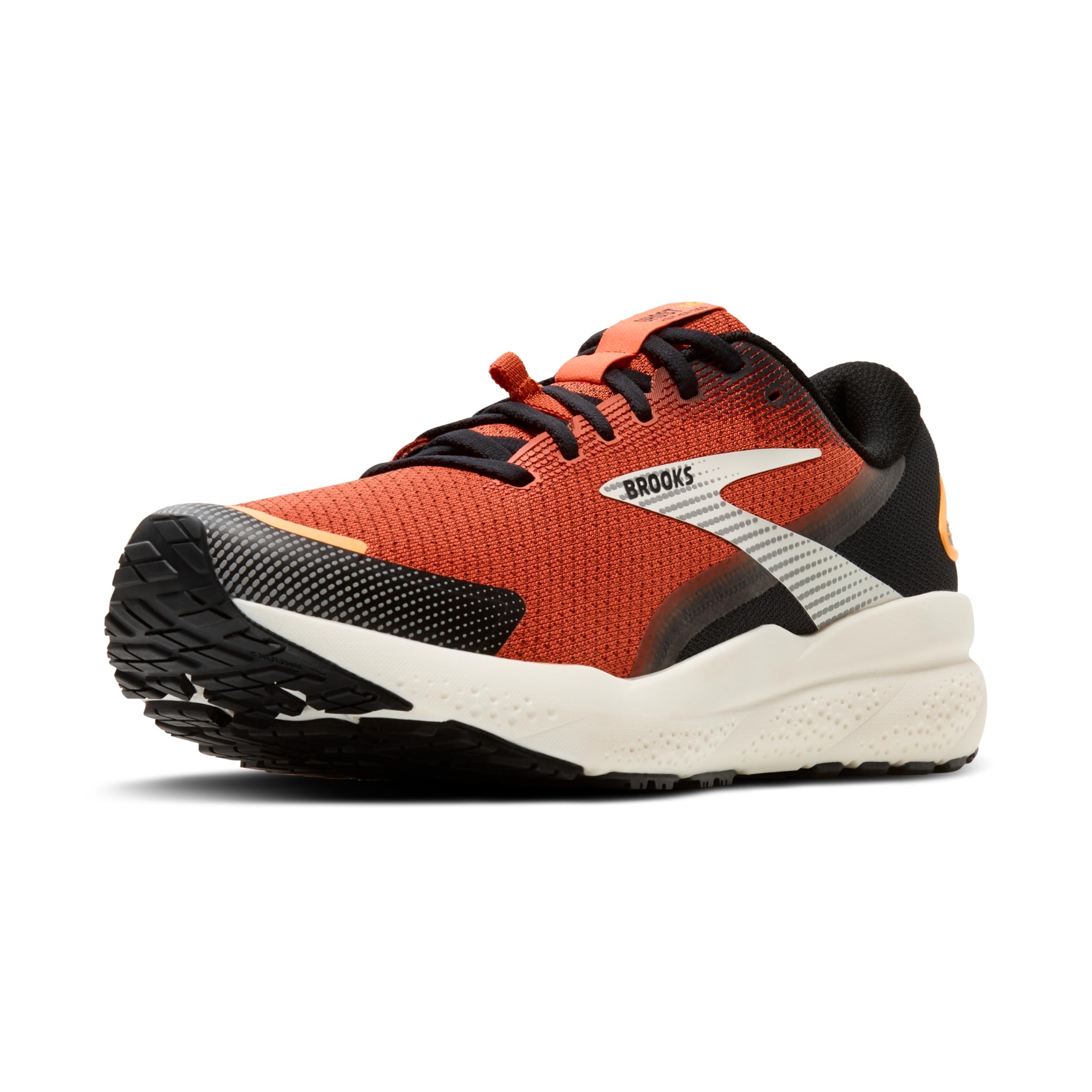
Brooks Ghost 16 — Best Cushioning (On Sale)
$109 (on sale, normally $140)
Engineered air mesh
Moderate (varies by size)
DNA Loft v3
Blown rubber
Long runs, maximum comfort
400+ miles
High cushioning
12mm
When the Ghost 16 drops to $109 during sales, it becomes the premium option in our budget category. Brooks' DNA Loft v3 midsole compound is genuinely superior to anything else under $160 — providing plush cushioning that maintains its properties over hundreds of miles. The 12mm drop makes this ideal for heel strikers who want maximum comfort during long runs. The Ghost series has earned its reputation through consistency rather than innovation. Version 16 refines the formula with improved upper ventilation and a more secure midfoot lockdown. The blown rubber outsole grips well on varied surfaces, and the overall construction quality rivals shoes costing $180+. This is Brooks' bestselling shoe for good reason. The caveat is availability at sale price — $109 deals come and go quickly, and at full retail ($140), the value proposition weakens considerably. The 12mm drop may feel excessive for some runners, and the plush ride can feel sluggish during faster-paced workouts. If you catch it on sale and prioritise comfort over speed, the Ghost 16 is exceptional. At full price, stick with the ASICS.

Key Metrics: What Actually Matters
10mm
Optimal Drop for Most Runners
400+
Miles Expected from Quality Pairs
295g
Average Weight (Men's Size 9)
$85
Sweet Spot Price Point
Based on RunRepeat testing and user data, March 2026
Head-to-Head: Top 6 Models Under $160
| Model | Price | Drop | Weight | Durability | Best For |
|---|---|---|---|---|---|
| ASICS Gel-Contend 8 | $85 | 10mm | 295g | 400-500 miles | Daily training |
| Nike Revolution 7 | $70 | 10mm | Light | 250-300 miles | Beginners |
| Brooks Ghost 16 | $109* | 12mm | Moderate | 400+ miles | Long runs |
| New Balance 520v8 | $95 | 8mm | 285g | 350-400 miles | Wide feet |
| Saucony Guide 17 | $130 | 8mm | 290g | 400+ miles | Overpronators |
| Adidas Ultraboost Light | $150 | 10mm | 280g | 350+ miles | Speed work |
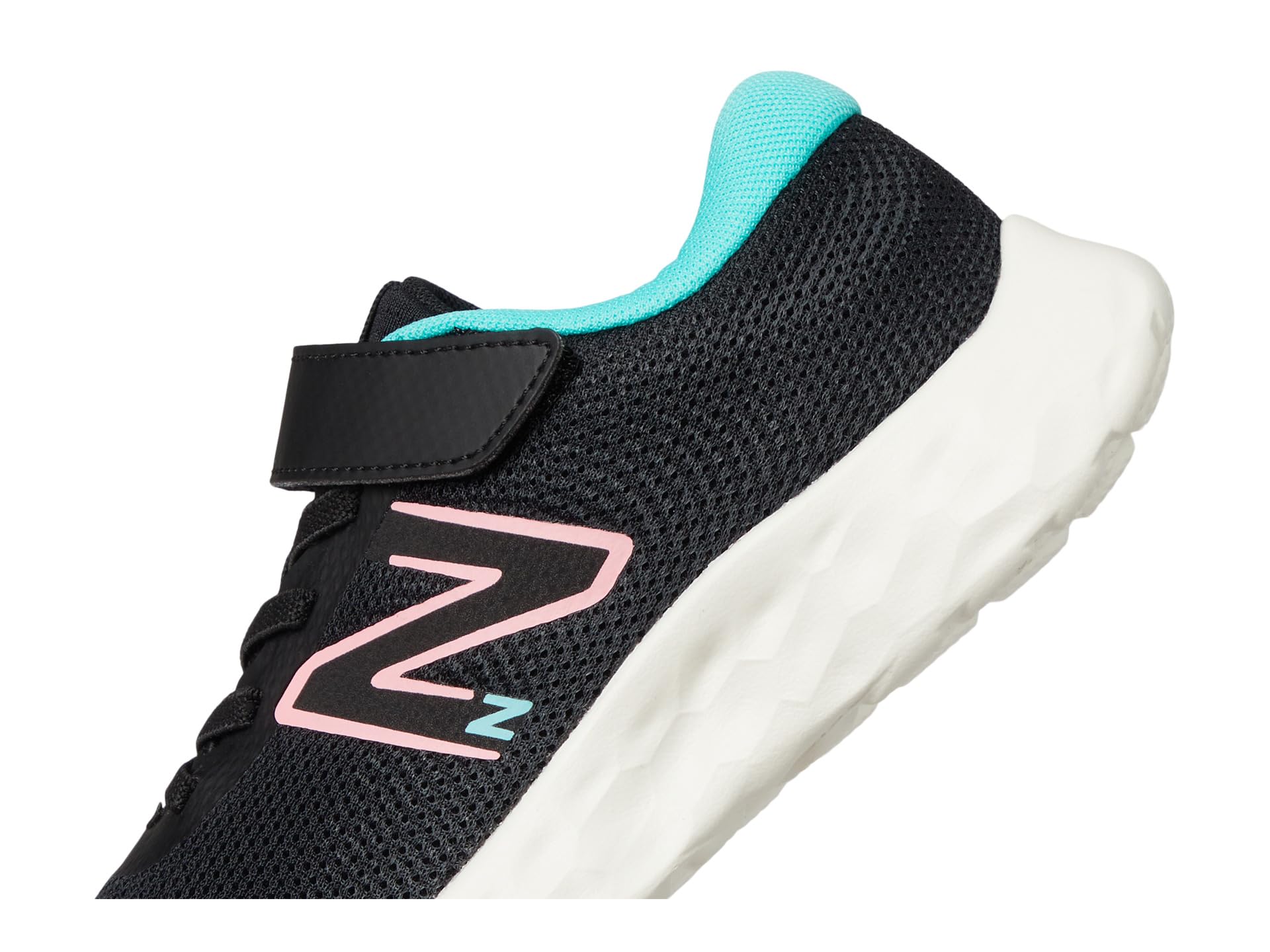
New Balance 520v8 — Best for Wide Feet
Around $95 (price varies by retailer)
Engineered knit
285g (men's size 9)
Fresh Foam X
Rubber with strategic placement
Wide feet, neutral runners
350-400 miles
Medium cushioning
8mm
New Balance built its reputation on fit, and the 520v8 continues that tradition with genuinely wide toe box options — not just stretched versions of narrow lasts. The Fresh Foam X midsole delivers responsive cushioning without the mushy feel that plagues some budget options. The 8mm drop works well for runners transitioning from traditional trainers to slightly more minimal footwear. The engineering shows in the details: strategic rubber placement reduces weight while maintaining durability in high-wear zones. The engineered knit upper adapts to foot shape without feeling loose, and the overall construction quality exceeds expectations for a sub-$100 shoe. This shoe performs particularly well for runners with wider feet who've struggled with narrow European brands. Limitations include limited colour options and availability — New Balance's distribution isn't as widespread as Nike or ASICS. The 8mm drop may feel too low for committed heel strikers coming from 12mm+ shoes. And while the Fresh Foam X is good, it doesn't quite match ASICS Gel or Brooks DNA Loft for long-term durability. Still, for wide-footed runners, this is often the only viable option under $160.
Saucony Guide 17 — Best Support
Around $130 (check current retailer pricing)

Engineered mesh
290g (men's size 9)
PWRRUN foam with medial support
XT-900 carbon rubber
Mild overpronation, stability
400+ miles
High with medial post
8mm
The Guide 17 occupies a crucial niche — stability shoes that don't feel clunky or over-engineered. Saucony's approach to motion control uses a medial post integrated into PWRRUN foam rather than the rigid plastic plates found in cheaper alternatives. The result is gentle guidance rather than harsh correction, making this suitable for runners with mild overpronation who've been scared off by traditional stability shoes. Performance-wise, the Guide 17 rides more like a neutral trainer than a traditional stability shoe. The 8mm drop encourages midfoot striking while the medial support prevents excessive inward roll. The XT-900 outsole rubber provides excellent traction and durability — expect 400+ miles even with daily use. The upper construction breathes well and shows minimal wear after months of training. The downside is price — at $130, you're paying a premium for the stability features. Neutral runners paying this much should consider the Brooks Ghost 16 on sale instead. The 8mm drop may require an adjustment period for runners used to traditional 12mm+ shoes. And Saucony's sizing runs slightly narrow, which may conflict with the wide-foot runners who often need stability features.
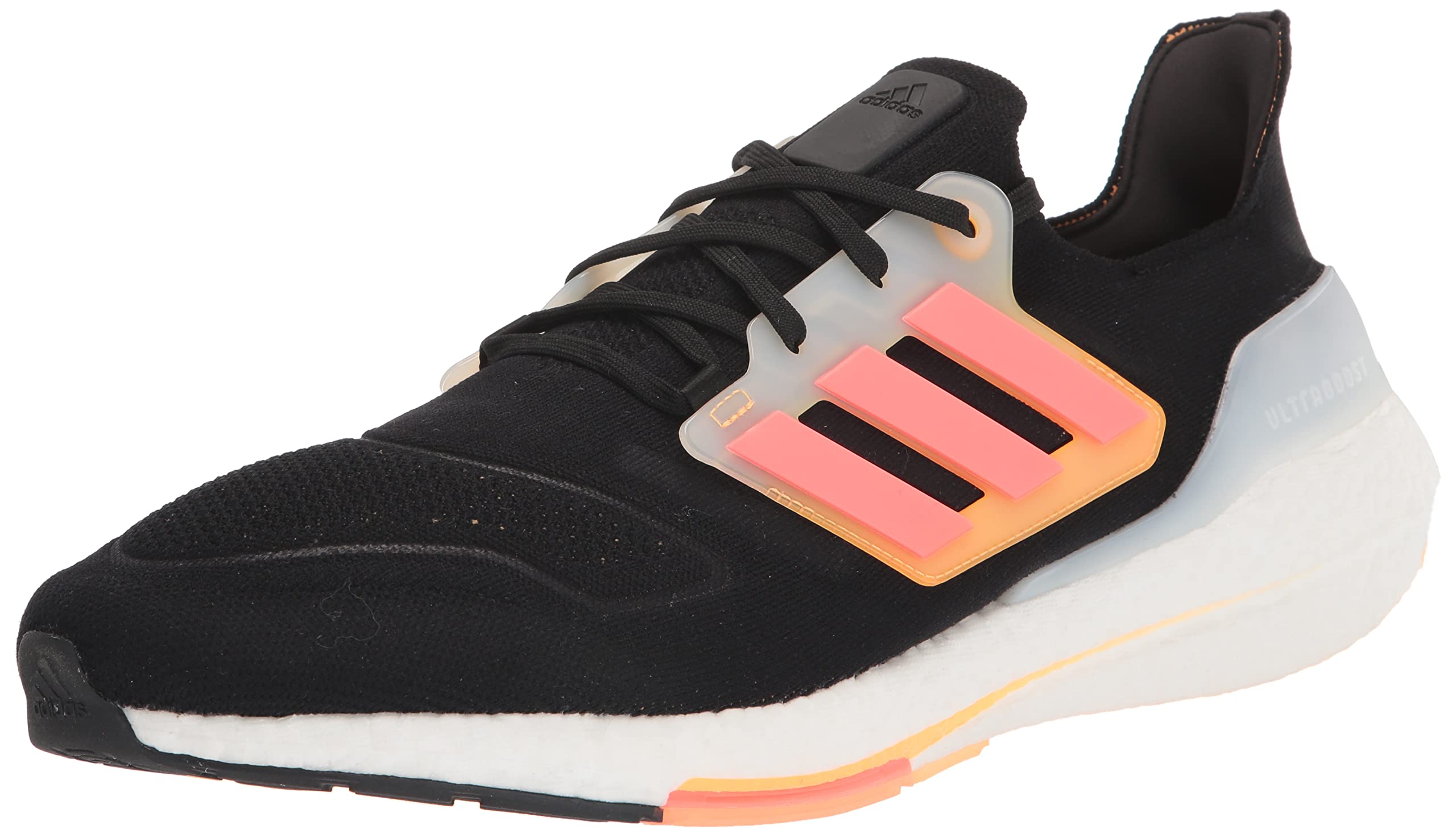
Adidas Ultraboost Light — Best for Speed Work
Around $150 (at top of budget range)
Primeknit+
280g (men's size 9)
Boost foam compound
Continental rubber
Tempo runs, speed work
350+ miles
High with Boost foam
10mm
At $150, the Ultraboost Light pushes the boundary of our budget category, but it's the only shoe here genuinely designed for faster-paced training. Adidas Boost foam provides energy return that's noticeable during tempo runs and intervals — something absent from traditional daily trainers. The Continental rubber outsole grips exceptionally well on wet surfaces, and the Primeknit+ upper adapts to foot shape during dynamic movement. The 'Light' designation is relative — at 280g, it's not a racing flat, but it's responsive enough for sub-8-minute pace work. The 10mm drop works well for runners who want cushioning during speed sessions without the sluggish feel of maximum cushioning trainers. Build quality is excellent, with premium materials throughout that justify the higher price point. The reality check: most runners in this price category prioritise durability over speed, making the Ultraboost Light a niche choice. Boost foam, while responsive, doesn't match traditional compounds for longevity — expect 350+ miles rather than 400+. The narrow European last doesn't work for wider feet. And at $150, you're paying premium prices for what's essentially last year's technology. Choose this only if tempo work is a priority.
Budget Breakdown: What You Get at Each Price Point
$60-80
Entry-level shoes with basic foam, limited durability (250-300 miles), suitable for beginners and low-mileage runners
$80-110
Sweet spot for daily trainers with proven cushioning technology, 400+ mile durability, suitable for regular training
$110-140
Premium features like advanced foam compounds, stability options, enhanced durability for high-mileage training
$140-160
Top-tier construction, specialty features (speed, stability), latest technology, approaching performance shoe territory
Common Mistakes When Buying Budget Running Shoes
Who Should Buy What
New Runner (under 20 miles/week)
Nike Revolution 7 — affordable entry point with adequate protection for building base fitness
Regular Trainer (20-40 miles/week)
ASICS Gel-Contend 8 — proven durability and cushioning for consistent training schedules
High-Mileage Runner (40+ miles/week)
Brooks Ghost 16 (on sale) — premium cushioning compound that maintains properties over hundreds of miles
Wide Feet
New Balance 520v8 — genuine wide sizing options with quality construction
Overpronator
Saucony Guide 17 — gentle stability features without over-correction
Speed Work Focus
Adidas Ultraboost Light — energy return and Continental rubber for tempo runs and intervals
What would you like to do?
Suggested refinements
Related topics
Related articles