Is Cooking at Home Actually Cheaper Than Eating Out? The Real Cost Breakdown
March 21, 2026 · 6 min read
··
- Home cooking saves the average household $2,400+ annually
- but only if you cook smart—the break-even point depends on your time value, food waste habits, and cooking skills
Yes, cooking at home is significantly cheaper than eating out. The average American household saves $2,400-$3,000 annually by cooking at home instead of dining out regularly. However, the true cost difference is more complex than it appears.
Key Takeaways
- Home cooking costs ~$5 per serving vs $15-25 for restaurant meals
- Restaurants mark up food costs by 300% to cover labor, rent, and profit margins
- Hidden home cooking costs include utilities ($3-12 weekly), food waste ($442-$780 annually), and time value
- The break-even point varies dramatically based on cooking skills and efficiency
Watch Out For
- ⚠Food waste can cost single households $442+ annually, families $780+
- ⚠Poor meal planning leads to expensive last-minute takeout orders
- ⚠Utility costs add $150-600 annually for heavy home cooking
- ⚠Time value matters—if you earn $50+/hour, convenience may justify restaurant costs
The Numbers That Matter
$2,400+▲
Average annual savings from home cooking
5x
Cost difference: home cooking vs delivery
$519▲
Average monthly grocery spending per household
$879▲
Average monthly restaurant spending per household
Bureau of Labor Statistics, Empower Personal Dashboard, 2024
What You Need to Know: The Hidden Reality of Food Costs
The conventional wisdom is right—home cooking saves money. But the restaurant industry has spent decades perfecting the art of making dining out seem affordable through value menus, happy hours, and delivery apps. Meanwhile, Americans spent an average of $519 per month on groceries in 2024, up 3% from the previous year, and $329 per month on dining out.
Here's what's changed: away-from-home spending overtook food at home in 2002 and stayed well ahead except during the Great Recession and briefly in 2020. We're now living in an era where many households spend more on restaurants than groceries. The average restaurant needs to keep food cost percentage between 28% and 35% in order to run a financially healthy operation.
This means restaurants are marking up your meal by 300% or more just to break even. A general rule of thumb is that items have at least a 300% markup or three times the wholesale price.
Your Personal Cost Calculator
Calculate your potential savings by switching from dining out to home cooking based on your specific situation.
$6,760
Potential annual savings
693
Cost multiplier (restaurant vs home)
The Real Math Behind Home Cooking vs Dining Out
Let's break down the actual costs with real numbers. Recent data highlights that the average cost per serving of a home-cooked meal is around $5, compared to a striking $23 per restaurant meal. But this comparison doesn't tell the whole story.
Restaurant Cost Structure:
Cost of goods sold (COGS): Typically 28-35% of revenue, meaning if you pay $20 for a meal, only $6-7 goes to actual food costs. The rest covers:
Delivery fees, service charges, and tips can increase a $15 meal to over $25 — making it 5–6 times more expensive than cooking the same dish at home.
Worked Example: Pasta Dinner Cost Breakdown
Let's examine a simple pasta dinner for a family of four: Restaurant Version (Olive Garden-style): - 4 pasta entrees: $15 × 4 = $60 - Drinks: $3 × 4 = $12 - Tax (8%): $5.76 - Tip (18%): $13.95 - Total: $91.71 ($22.93 per person) Home Cooking Version: - 1 lb pasta: $1.50 - Pasta sauce: $2.00 - Ground beef (1 lb): $5.00 - Parmesan cheese: $1.50 - Salad ingredients: $3.00 - Garlic bread: $2.00 - Total: $15.00 ($3.75 per person) Hidden Home Costs: - Gas/electric for cooking: ~$0.75 - Dishwashing and cleanup: ~$0.25 - True total: $16.00 ($4.00 per person) Savings: $75.71 (474% markup at restaurant) This example shows why it's nearly five times more expensive to order from a restaurant than it is to cook at home. And although meal delivery kits are a bit more affordable than restaurants, you'll still pay three times more for these services than you would at your local grocery store.
Cost Comparison: Home vs Restaurant by Meal Type
Real costs for popular meals, showing the dramatic markup difference across categories
Analysis of grocery prices and restaurant menus in major US cities, 2024
The Hidden Costs of Cooking at Home
Home cooking isn't free. Beyond ingredients, several hidden costs add up: Food Waste—The Biggest Hidden Cost: The average American family spends about $1,866 annually on food that is never eaten. More specifically: - Single households waste approximately $8.50 worth of groceries weekly ($442 annually) - Families of four waste around $15 weekly ($780 annually) Utility Costs: Gas cooking: $3.50-8.00 weekly depending on household size.
Electric cooking: Generally more expensive, $5-12 weekly. This adds $182-624 annually.
Kitchen Supplies and Maintenance:
Kitchen supplies: Soap, sponges, cleaning materials add $2-3.50 weekly ($104-182 annually).
Time Costs:
This is where it gets complicated. Americans age 18 and over spent 37 minutes in food preparation and cleanup... The average time spent is higher for these "usual meal preparers" than for the total population, as some individuals rarely engage in meal preparation.
Beyond ingredients, several hidden costs add up: Food Waste—The Biggest Hidden Cost: The average American family spends about $1,866 annually on food that is never eaten.
Worked Example: True Cost of a Home-Cooked Meal Including Hidden Costs
Let's recalculate our pasta dinner with all hidden costs: Visible Costs: $15.00 Hidden Costs: - Utilities (gas/electric): $0.75 - Water for cooking/cleaning: $0.25 - Cleaning supplies: $0.15 - Food waste (10% of ingredients): $1.50 - Time cost (1 hour at $20/hour): $20.00 Total Hidden Costs: $22.65 True Total Cost: $37.65 ($9.41 per person) Sudenly, the restaurant meal at $22.93 per person doesn't look so expensive. This is the uncomfortable truth: When factoring in time costs, scratch cooking from home can actually be more expensive than delivery – unless you cook smart.
The Smart Cooking Advantage:
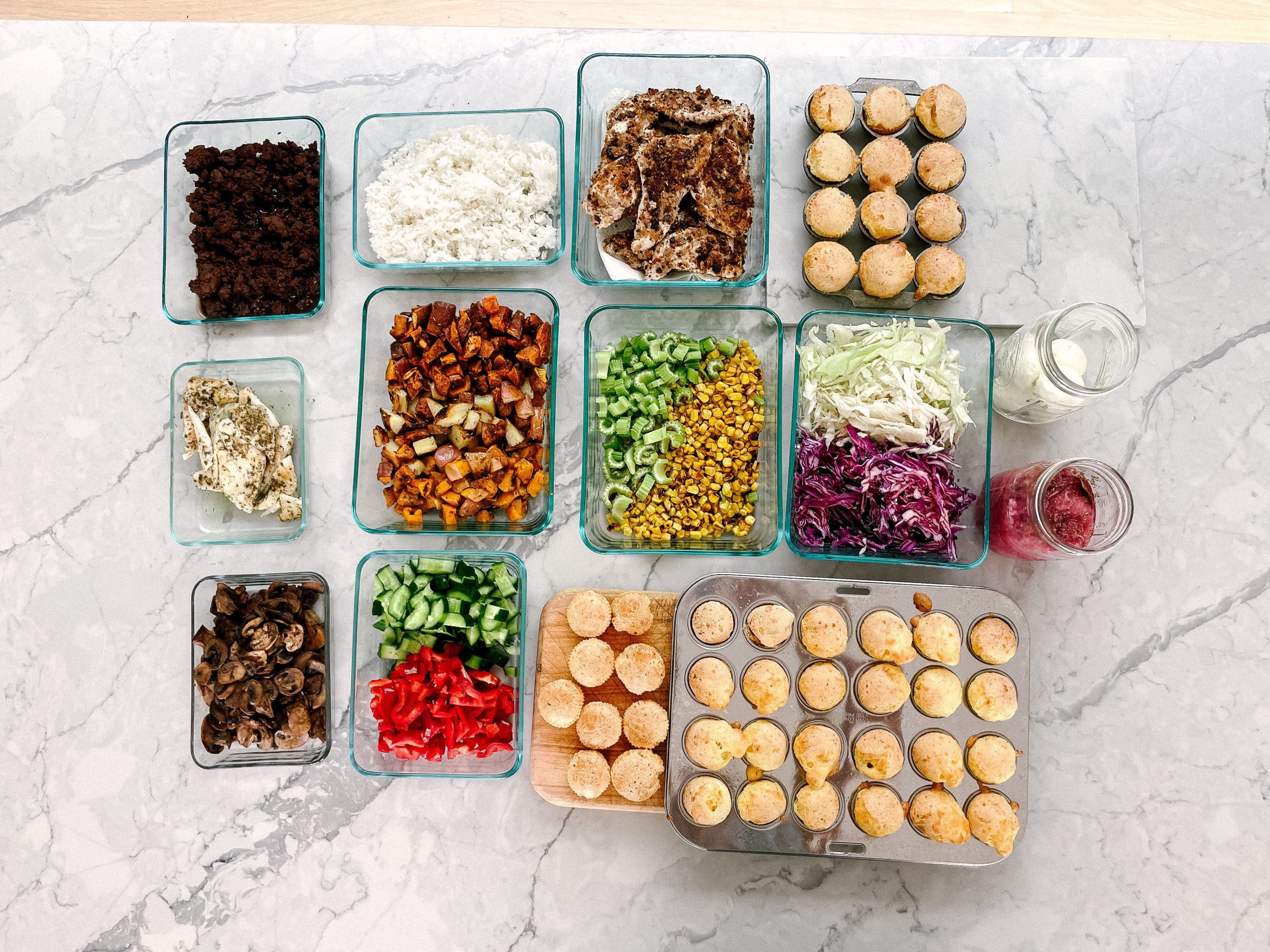
Smart batch cooking and strategic leftover use provides the best value, saving nearly $1,800 annually compared to full delivery while requiring minimal time investment.
When Dining Out Actually Makes Financial Sense
There are scenarios where restaurants provide better value: High Earners with Time Scarcity: If you earn $50+ per hour, spending 1-2 hours cooking to save $15-20 may not be economically rational.
Special Occasion Dining:
For rare indulgences like anniversary dinners, the experience justifies the cost.
Single-Person Households:
Portioning challenges and food waste can make some restaurant meals cost-competitive, especially lunch specials or early-bird dinners.
Cuisine Expertise Gap:
Complex ethnic cuisines requiring specialty ingredients may favor restaurants until you build skills and ingredient inventory.
Meal Delivery Sweet Spots:
The mixed approach often provides the best balance: 2-3 home-cooked meals plus 1-2 delivery meals weekly costs about $214 monthly while maintaining convenience.
Home Cooking vs Dining Out: Complete Scenario Analysis
| Scenario | Home Cooking | Dining Out | Winner | Key Factor |
|---|---|---|---|---|
| Family of 4, Regular Meals | $4-6 per person | $15-25 per person | Home | Volume savings |
| Single Person, Simple Meals | $5-8 per person | $12-18 per person | Home | Portion control |
| High Earner ($75+/hr) | $25+ with time cost | $18-25 per person | Restaurant | Time opportunity cost |
| Special Occasion | $15-20 per person | $35-50 per person | Restaurant | Experience value |
| Complex Ethnic Cuisine | $12-18 per person | $15-22 per person | Restaurant | Ingredient/skill barrier |
| Bulk Meal Prep | $3-5 per person | $15-25 per person | Home | Efficiency gains |
| Last-Minute Hunger | $8-12 per person | $20-30 with delivery | Neither | Planning failure |
Where Your Restaurant Dollar Actually Goes
Breakdown of restaurant costs showing why food seems expensive compared to grocery ingredients
National Restaurant Association, 2024
Common Mistakes That Make Home Cooking More Expensive
The Time-Money Trade-off
Time is the critical variable that determines whether home cooking saves money. The present results indicate that healthier food consumption patterns may have an associated time cost... The findings indicate that time might be an essential ingredient in the production of healthier eating habits among adults.
The Research Reality:
The group spending the greatest amount of time preparing, cooking, and cleaning up from meals (>2 hours/day) tended to be women, non-Hispanic whites, younger, and married... Moreover, those who spent more time on food-related behaviors tended to have higher household size and income but were less likely to be employed or self-employed.
Time Efficiency Breakthroughs:
A 2024 report from the Harvard School of Public Health highlights that dedicated meal-prepping saves, on average, 4-5 hours per week... meal prepping can reduce weekday cooking time by 60%.
The Sweet Spot:
According to the BLS, Americans spend an average of 5.5 hours weekly on food preparation, which can be cut in half with meal-prepping techniques. Compared to the time it takes to drive to, order from, and eat at a restaurant—up to 10 hours a week for frequent diners—home cooking can be both time-efficient and rewarding.
Break-Even Analysis: When Restaurants Become Cost-Competitive
Shows the income level where time opportunity cost makes restaurant meals financially competitive with home cooking
Analysis based on 1-hour cooking time including prep and cleanup
The Right Strategy for Your Situation
Budget-Conscious Families
Cook at home 5-6 nights per week, focus on batch cooking and meal prep. Target savings: $2,400+ annually. Use restaurant meals as planned treats, not convenience solutions.
High-Earning Professionals
Strategic hybrid approach—meal prep on weekends, use restaurants for convenience during busy periods. Consider meal delivery services for variety without time investment.
Single Professionals
Focus on simple, scalable recipes. Cook 2-3 larger batches weekly, embrace leftovers. Use restaurants for social dining and cuisine exploration, not daily sustenance.
Empty Nesters
Cooking at home makes more sense as portions align better with needs. Explore farmers markets and seasonal cooking. Use dining out for social experiences and date nights.
New Cooks
Start with 2-3 simple, reliable recipes. Master these before expanding. Track your actual costs including waste to understand your break-even point. Build skills gradually.
Sources
- 1.2024 Consumer Expenditure Survey - U.S. Bureau of Labor Statistics
- 2.American Households' Average Monthly Expenses - The Motley Fool
- 3.From Grocery Carts to Doorsteps: 2024 Food Spending - American Farm Bureau Federation
- 4.The Complete Guide to Restaurant Profit Margins - Lightspeed
- 5.The True Cost of Cooking at Home vs Delivery (2025 Data Report) - Tiny Kitchen Guy
- 6.Time Spent on Home Food Preparation and Indicators of Healthy Eating - PMC
- 7.Americans Spend an Average of 37 Minutes a Day Preparing Food - USDA Economic Research Service
- 8.Cooking at Home vs Getting Food Delivered (Case Study) - Real Plans
Rate this article
Your feedback helps surface the best content
Related articles
Have a question? Get your own article.
Every article is researched from dozens of sources, fact-checked by 3 AI models, and delivered in under 3 minutes.