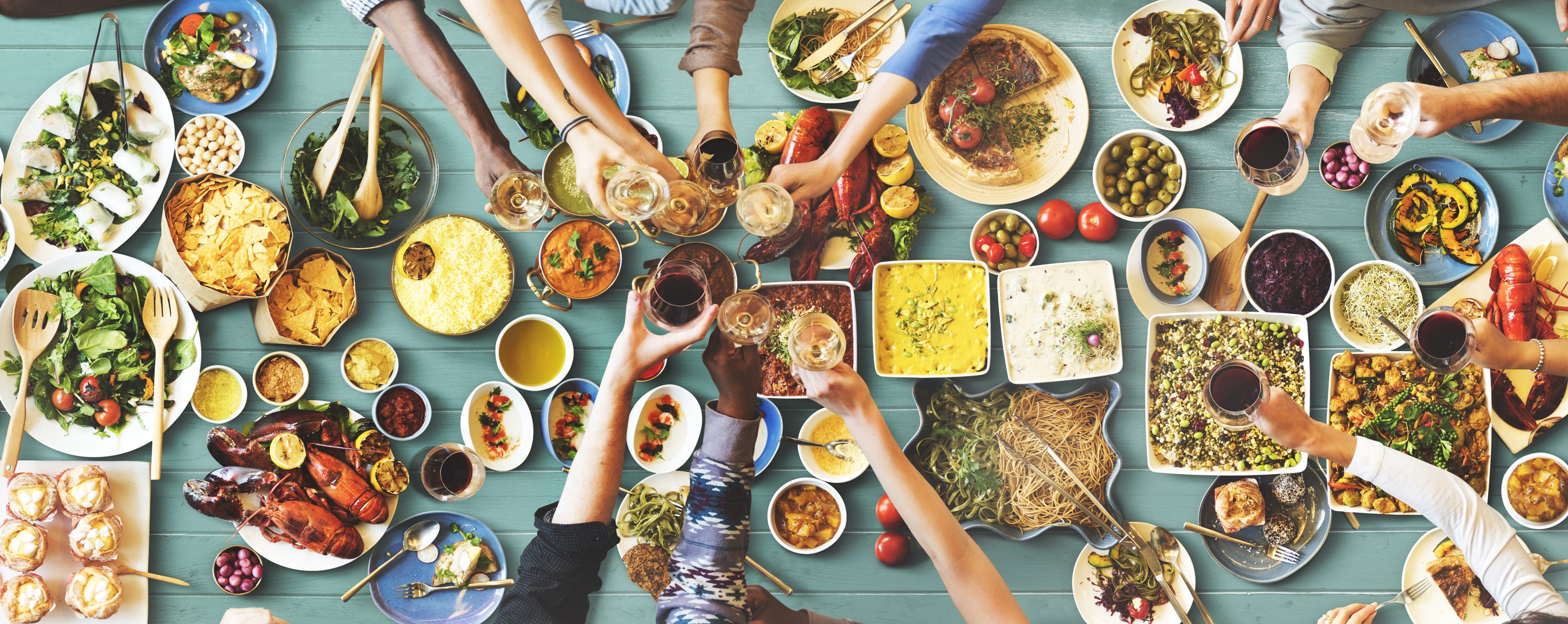
- Datassential's 2027 report signals a major culinary shift.
- Global comfort, advanced plant-based, and personalization lead.
- Key trends: buldak, falooda, dirty soda, hibiscus, CDMX cuisine.
- Industry must innovate to meet evolving consumer demands.
Key Takeaways
- Global Comfort: A blend of familiar and exotic, with CDMX cuisine as a key watch.
- Plant-Based Evolution: Focus on texture, new applications, and diverse protein sources.
- Hyper-Personalization: Tailoring food to individual dietary needs and preferences.
- Innovation in Classics: Reinventing familiar items like banana and deli salads.
- Emerging Flavors: Buldak, falooda, dirty soda, and hibiscus gaining traction.
What You Need to Know: Understanding Food Trend Cycles
Food trends do not appear overnight; they follow a predictable path. Datassential, a leading food and beverage intelligence platform, tracks these shifts using its proprietary 'Menu Adoption Cycle'. This cycle categorizes trends from their initial 'discovery' phase through 'mainstream adoption' to eventual 'ubiquity'.
Datassential's 2027 Trends Report identifies several items across these phases. Predictions include 'emerging' items like buldak and falooda, 'new classics' such as dirty soda and hibiscus, and 'reinvented favorites' like banana and deli salads. This structured approach allows the food industry to anticipate and adapt to evolving consumer tastes, rather than simply reacting to them.
Search interest: “global comfort food, plant-based meat, personalized nutrition”
vs prior 3 months
Despite the hype, 'global comfort' isn't just about exotic flavors; it's a subtle redefinition of comfort food itself, moving away from traditional Western staples towards globally-inspired dishes that offer both novelty and familiarity.
Key Takeaways from Datassential's 2027 Report
Datassential's 2027 report highlights several critical predictions shaping the culinary landscape. CDMX, representing Mexico City cuisine, is identified as the definitive 'cuisine to watch', signaling a deeper exploration of specific regional global flavors beyond generic categories.
Emerging items like buldak, a spicy Korean chicken dish, and falooda, an Indian dessert drink, indicate a growing consumer appetite for distinct international experiences. These are not just passing fads but indicators of a broader shift. New classics, including dirty soda and hibiscus, demonstrate how beverages are evolving with unique flavor combinations and health-conscious ingredients.
Finally, reinvented favorites such as banana and deli salads underscore innovation in familiar categories, focusing on novel preparations or flavor profiles.
Many assume food trends are about entirely new ingredients, but Datassential's 2027 report emphasizes the 'reinvention' of familiar favorites, suggesting innovation often lies in new applications or cultural fusions rather than pure novelty.
The Rise of Global Comfort: Beyond Traditional Flavors
Global comfort foods are redefining what 'comfort' means on a plate. This trend signifies a strong consumer desire for authentic, yet approachable, international dishes that evoke both warmth and familiarity. It moves beyond simple fusion to integrated flavor profiles.
CDMX cuisine, singled out as the 'cuisine to watch', exemplifies this shift. It suggests a deeper dive into specific regional specialties and vibrant street food influences from Mexico City, rather than broad, generalized Mexican fare. The integration of bold, specific international flavors like buldak and falooda into mainstream consciousness demonstrates this trend's power, encouraging culinary innovation that respects cultural origins while expanding accessibility.
Global Comfort Food on the Rise
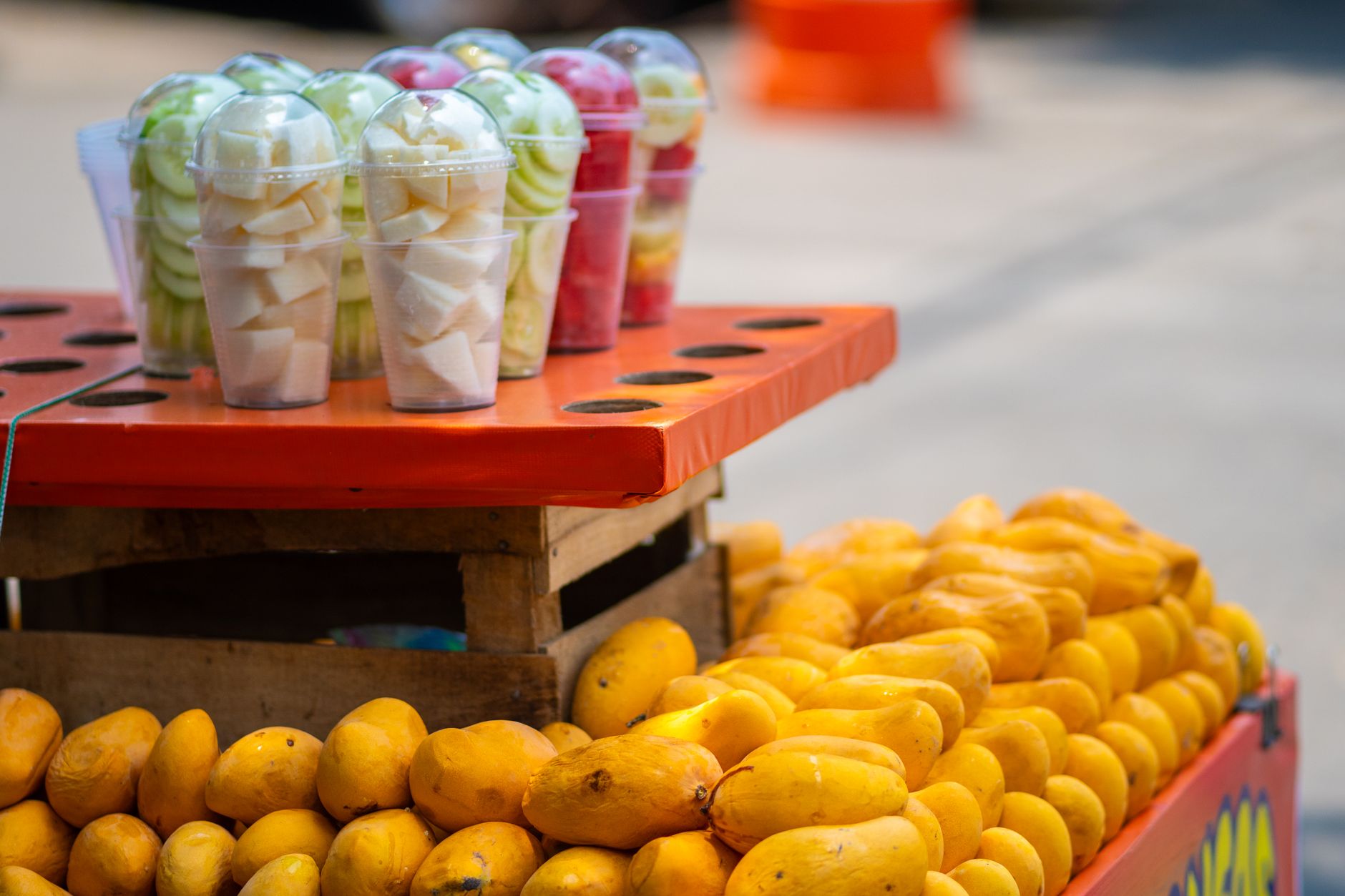
Plant-Based Takes Center Stage: New Textures and Applications
The plant-based sector continues its rapid evolution, moving beyond simple meat alternatives to focus on advanced textures and diverse applications. Innovation is now driven by creating more sophisticated sensory experiences and leveraging underutilized crops for new protein sources.
Companies like Beyond Meat are already signaling a shift towards 'nutrient stacking', combining plant proteins with fiber, polyphenols, and phytosterols.
This push for innovation extends to prepared meals and shortcuts, offering consumers effortless ways to incorporate plant-based options into their diets. The global plant-based food sector is projected to reach $74.2 billion by 2027, driven by increasing health awareness and sustainability concerns.
This growth demands continuous R&D to meet evolving consumer expectations for taste, texture, and nutritional value.
Plant-Based Market Growth
$74.2 Billion
Projected Plant-Based Food Market by 2027
75%
Consumers Looking for New Food Trends (2026)
Market Research Future, Datassential
Hyper-Personalization and Dietary Needs: Tailoring the Experience
Consumers are increasingly demanding food tailored to their individual dietary needs and preferences. This hyper-personalization extends beyond simple allergen avoidance to specific health goals, ethical considerations, and flavor profiles. The 'reinvention' of familiar favorites, such as banana and deli salads, directly supports this trend by offering customized, next-level applications.
Operators are showcasing these traditional items in novel ways, like banana coffee or mango sticky rice variations. This caters to a consumer base that values unique experiences and specific dietary alignments. The industry must respond with flexible menus and adaptable product lines to capture this segment, moving away from one-size-fits-all offerings.
What real people think
Mixed opinionsSourced from Reddit, Twitter/X, and community forums
Online communities, particularly on Reddit, show significant excitement for new food trends and a strong interest in culinary exploration, especially among younger demographics.
Users frequently seek expert advice on cooking techniques and ingredients, indicating a desire to experiment with diverse culinary traditions.
Discussions highlight protein as a strong driver of innovation in food development, with companies focusing on offering a variety of plant-based choices.
General cooking and food inspiration communities are large and active, reflecting broad consumer interest in what's new and exciting in the culinary world.
What Reddit is saying
All surveyed subreddits remained neutral, as none of the threads contained comments relevant to the article's topic.
This is our weekly thread to ask all the stuff that doesn't fit the ordinary /r/askculinary rules. Note that our two fundamental rules still apply: politeness remains mandatory, and we can't
Read full discussion →r/AskCulinary 1,290,281 members · r/TalesFromYourServer 639,901 members · r/FoodDev 9,340 members · FAQ Threads: Culinary School Discussion · Advice on Knives · New to the industry? Read this! What sh
Read full discussion →I've had a super bad time mental health wise lately. Ultimately, veganism will bring discussion of not harming animals - but having a conversation is vastly different to a non-NSFW video full of
Read full discussion →18 votes, 29 comments. I used to be vegetarian when I was a teenager because the meat industry videos traumatised me. I was vegetarian for a few…
Read full discussion →Curated from 6 active threads across r/AskCulinary, r/KitchenConfidential, r/vegan, r/AskVegans
What people are saying on X
A significant portion of posts are neutral, while sceptical viewpoints are dominant, often discussing unrelated topics or general criticisms rather than directly engaging with food predictions. Only a small fraction support the idea of new food flavors.
The discussion about future food and flavor trends is largely overshadowed by broader economic and health considerations. Some users highlight the potential for healthier packaged foods to reduce diet-related deaths and discuss food safety regulations. However, other tweets veer into general economic inflation, product launches for specific drinks, and even unrelated topics like AI regulation and gaming rankings, suggesting a lack of focus on the original topic.
US packaged food companies could prevent around 150,000 diet-related deaths annually by moving sales towards healthier products in sectors including baked goods, savory snacks, cookies and candy, …
It's a modelling estimate: ~10,000 products from 24 makers (~37% of US packaged food sales), assuming sales shift toward the healthiest half of products already on shelves in each category.
Price changes over last year (August CPI report) Fuel Oil: +52.0% Gasoline: +27.4% Gas Utilities: +4.4% Electricity: +3.8% Apparel: +3.6% Overall CPI: +3.4% Food away from home: +3.4% Shelter: +3.…
Serving up deliciousness one plate at a time. From recipes to food trends, join us on a flavorful journey!
Curated from 18 recent posts using deliberate viewpoint balancing
By 2028, at least 40% of new restaurant menu items in major US cities will feature a 'global comfort' dish that blends at least two distinct international culinary traditions, moving beyond simple fusion to integrated flavor profiles.
The Impact on the Food Industry in 2027
The implications of Datassential's 2027 predictions are clear: agility and innovation are paramount. Food manufacturers and restaurant chains capable of rapidly adapting their supply chains to incorporate diverse global ingredients will gain a significant competitive edge. This includes sourcing for specific regional flavors and advanced plant-based components.
Those clinging to traditional, static menus and ingredient sourcing will inevitably lose market share. The industry must invest in R&D to develop new applications for familiar ingredients and master the art of cultural fusion that respects authenticity.
Consumer interest in new food and beverage trends is high, with 75% of consumers looking forward to them in 2027, creating a fertile ground for those willing to evolve.
Why This Matters
Datassential's 2027 predictions are more than just a list of trending ingredients; they represent a fundamental shift in consumer values and expectations. The move towards 'global comfort' isn't about novelty for novelty's sake, but a deeper search for authenticity and connection through food, blending the familiar with the exotic.
This redefines what comfort means, pushing beyond traditional Western staples.
For the food industry, this means a mandate for genuine innovation. It's not enough to simply offer plant-based options; they must deliver on texture, flavor, and nutritional complexity. Hyper-personalization demands flexible, adaptable menus that cater to individual dietary journeys.
Businesses that embrace these shifts, investing in diverse sourcing and creative culinary development, will thrive. Those that resist will find themselves increasingly out of step with a sophisticated and globally-aware consumer base, ultimately ceding ground to more forward-thinking competitors.
Further Reading
Official press release detailing Datassential's 2027 trend report highlights.
Exploration of the global comfort food phenomenon and its cultural drivers.
Insights into the latest advancements and market dynamics in plant-based and cultivated meat.
A broader look at various food trends anticipated for 2027, complementing Datassential's report.
Sources
- 1.Datassential Releases Food, Flavor, Beverage Trend Predictions for 2027
- 2.Datassential releases food, flavor, and beverage trend predictions for 2027 - Blue Book
- 3.Datassential Predicts 2027 Food, Flavor And Beverage Trends
- 4.Plant Based Food Market Market Size and Forecast 2035
- 5.Beyond Meat signals shift toward nutrient stacking in plant-based foods
- 6.The rise of global comfort food: Why familiar flavours are crossing borders – K24 Digital
- 7.Google Trends
Rate this article
Your feedback helps surface the best content
Related articles
Have a question? Get your own article.
Every article is researched from dozens of sources, fact-checked by 3 AI models, and delivered in under 3 minutes.
Triple-Verified — 4 corrections applied across 2 verification stages applied