Dubai's Hidden War Casualties: Industries Set to Collapse

April 13, 2026 · 8 min read
···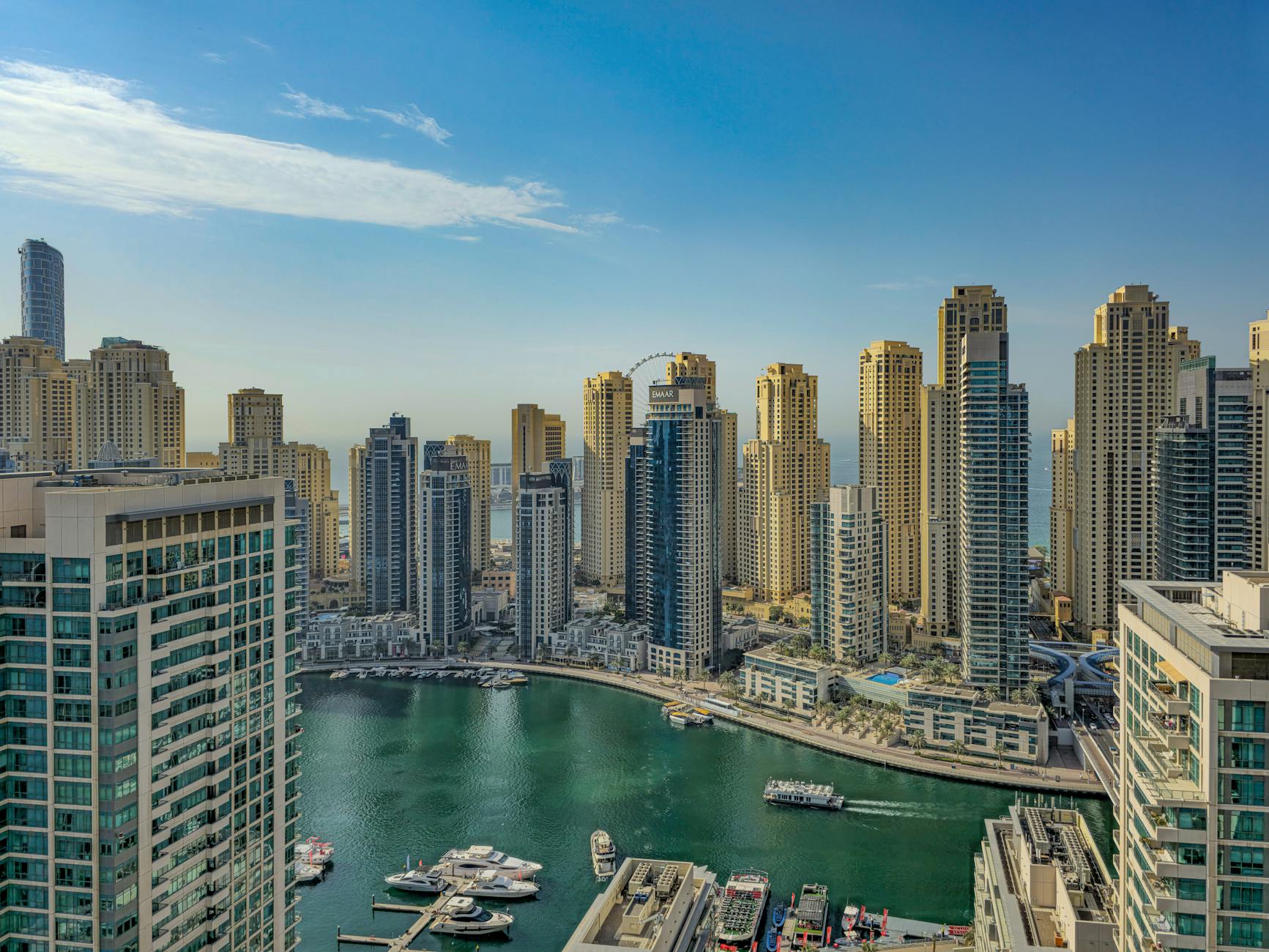
Photo by M. Omar on Pexels
- Strait of Hormuz vessel crossings down 88-100%, choking trade.
- Jebel Ali Port temporarily shut after rocket attack debris.
- Dubai's $650M+ annual events industry faces extinction.
- Dh1 billion government support package is a systemic misdiagnosis.
Dubai's celebrated economic resilience is a mirage, fundamentally undermined by its deep, unacknowledged reliance on regional trade routes and capital flows now choked by the Iran war. This crisis is structural, not merely a liquidity issue, and will lead to a systemic collapse far beyond the visible tourism sector.
Key Takeaways
- The current crisis is a structural threat, unlike the 2008 financial downturn, impacting Dubai's core economic functions as a re-export, financial, and events hub.
- Iran, despite sanctions, has historically served as an unacknowledged economic lubricant for Dubai's trade and financial flows, now severed by conflict.
- Focusing on tourism as Dubai's primary vulnerability is a dangerous distraction; the true existential threats lie in logistics, re-export trade, and the events industry.
- The effective closure of the Strait of Hormuz is decimating port operations and global shipping access, with no viable alternative routes for Gulf container ports.
Quick Verdict: The Numbers Nobody's Talking About
Dubai's economic model, long touted as a beacon of stability, is facing an unprecedented structural collapse. The war in Iran has effectively choked the Strait of Hormuz, the city's vital trade artery, with devastating consequences for its hidden economic pillars. This is not a temporary setback; it is a fundamental reordering of regional commerce.
Immediate Economic Impact
Temporarily Shut Down
Jebel Ali Port status due to rocket debris
$650M+
Annual revenue at risk for Dubai's events industry (2026 projection)
Dh1 Billion ($272.2M)
UAE government support package (deemed insufficient)
MarineTraffic, Lloyd's List, Twitter/X, The National
Executive Summary: Why Dubai's Collapse Would Be Worse Than 2008
Dubai's current economic crisis is fundamentally different and far more perilous than the 2008 financial downturn. That crisis was largely a liquidity and real estate bubble; this is a structural assault on the very foundations of its economic model. Dubai thrives as a re-export hub, a financial services center, and a global events destination, all of which depend on open regional access and stability.
Conventional analysis often overlooks Iran's unacknowledged role as an economic lubricant for Dubai. Despite sanctions, Iranian trade and capital flows have historically underpinned significant portions of Dubai's re-export and financial sectors. The war has severed these critical, informal lifelines, creating a chain reaction that few observers fully grasp.
The narrative that 'tourism is fine' or that Dubai's luxury appeal will shield it from regional conflict is a dangerous distraction. While tourism contributes, it pales in comparison to the interconnectedness of logistics, re-export, and financial services. These deeper vulnerabilities, now exposed, threaten to unravel the city's entire economic fabric.
The UAE government's Dh1 billion support package is a mere band-aid, fundamentally misdiagnosing the systemic nature of the economic crisis, which is not a liquidity issue but a structural one caused by the Strait of Hormuz's effective closure.
Strait of Hormuz: A Chokepoint Under Siege

The Elephant Nobody Sees: Why This Is Worse Than Tourism
The common misconception that Dubai's primary vulnerability to regional conflict lies in its tourism and hospitality sectors is profoundly misguided. While these industries will undoubtedly suffer, they represent only one facet of a far more complex and interconnected economic machine.
The true existential threat is the simultaneous strangulation of its logistics, re-export trade, and event industries.
Dubai's 'reason for being' as a regional hub is predicated on frictionless trade, open skies, and a perception of unwavering stability. The war directly impacts these fundamentals, making the city less attractive for the very businesses and individuals it seeks to attract. This crisis is not about fewer tourists; it is about the fundamental erosion of Dubai's competitive advantage.
Community sentiment, particularly among the expat population, reflects a broader confidence crisis. Discussions on platforms like Reddit indicate a significant exodus of foreign residents, signaling a deeper loss of faith in Dubai's long-term prospects. This flight of human capital directly impacts consumer spending and the skilled workforce vital for key sectors.
Dubai's Economic Pillars Under Threat
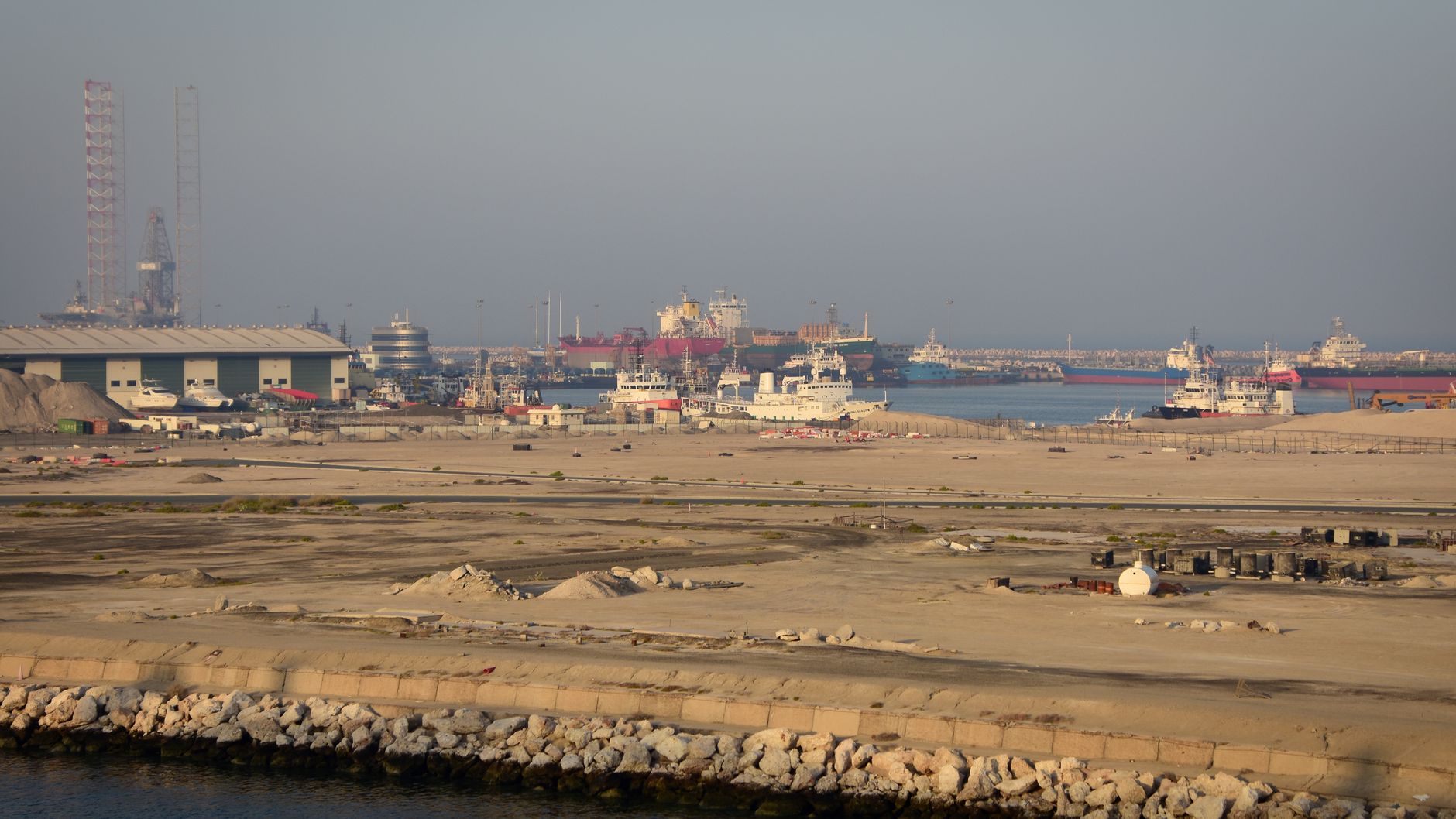
The Events Extinction: GITEX, Expo City, and Conference Centre Collapse
Dubai's events industry, projected to generate over $650 million annually by 2026, is facing an extinction-level event. This sector is not primarily leisure tourism; it is a high-value B2B ecosystem built on international exhibitors, corporate attendees, and global trade shows like Gulfood, GITEX, and the Airshow. These events are now critically vulnerable to regional instability.
Corporate travel budgets are the first to be cut when geopolitical risks escalate, and international companies will simply not send executives or invest in exhibitions in a war zone. The scheduled GITEX GLOBAL 2026, the world’s largest tech and AI show, risks becoming a ghost town if the conflict persists.
The reputational damage alone could be irreversible, leading major organizers to permanently relocate their Middle East operations.
The ripple effects of event cancellations are catastrophic, extending far beyond the exhibition halls. Hotels face empty rooms, F&B outlets lose significant revenue, and transportation services see demand plummet. The vast network of exhibition services, temporary staffing agencies, and local suppliers that support these mega-events will be decimated, leading to mass unemployment and business closures.
Dubai Events Industry: Projected Annual Revenue at Risk (2026)
Dubai Events & Conferences Industry (2026 projection)
Most observers believe Dubai's primary vulnerability to regional conflict lies in its tourism and hospitality sectors; however, the true existential threat is the simultaneous strangulation of its logistics, re-export trade, and event industries, which are far more deeply intertwined with regional stability and global supply chains.
GITEX GLOBAL: A Global Hub Under Threat
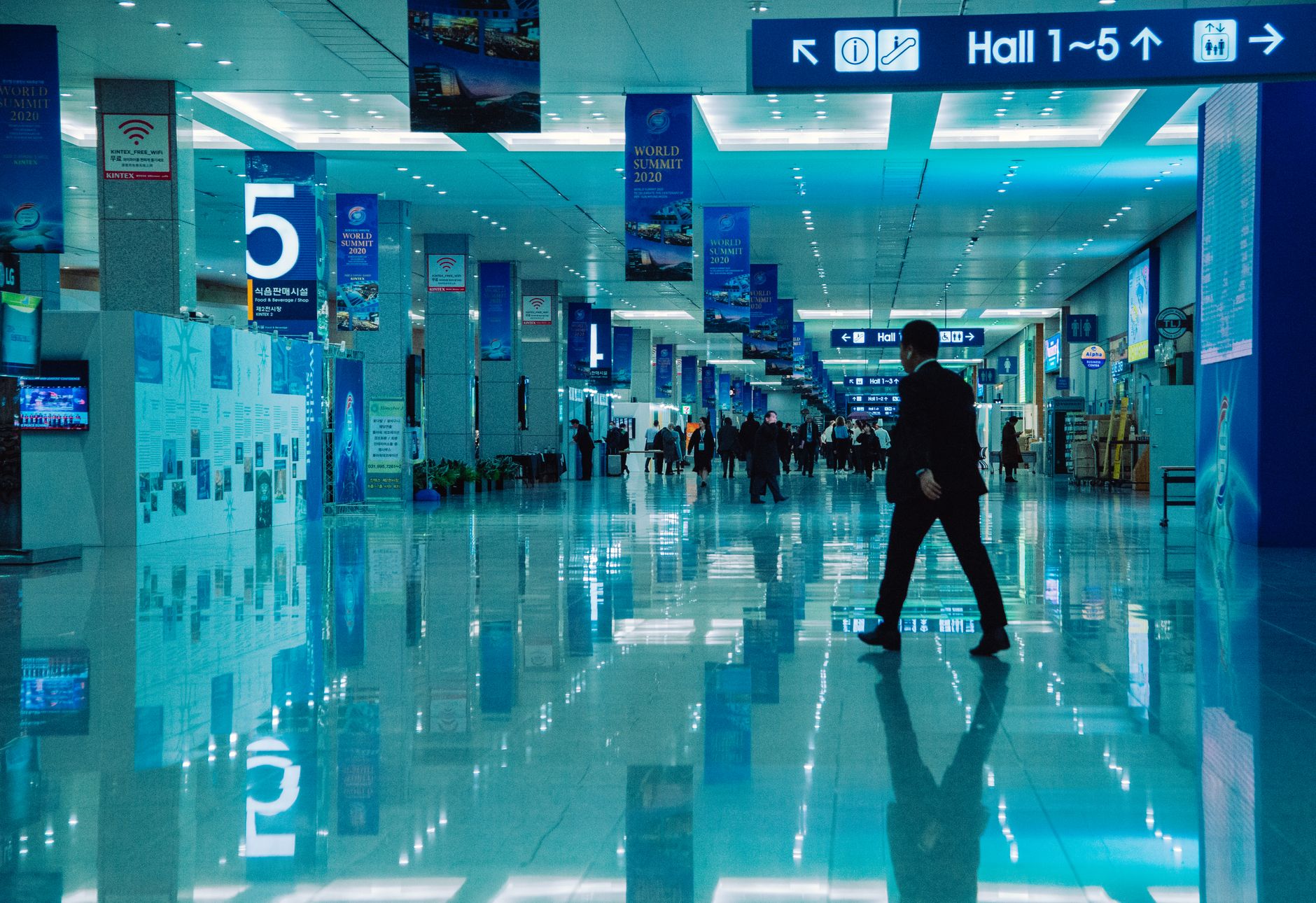
The Port Trap: Jebel Ali and the Logistics Implosion
The Strait of Hormuz is not merely a shipping lane; it is Dubai's economic jugular. Its effective closure has resulted in an estimated 88–100% reduction in vessel crossings, severing the Middle East’s most connected container port, Jebel Ali, from global liner networks. This is not a partial disruption; it is a near-total blockade for commercial shipping into the Gulf.
Jebel Ali, along with other key Gulf container ports like Khalifa Port, Dammam, Qatar, Bahrain, and Kuwait, has no viable alternative routing. The temporary shutdown of Jebel Ali itself, caused by falling debris from a rocket attack, highlights the immediate physical dangers. This situation decimates Dubai's re-export trade model, which relies entirely on the free flow of goods through the Strait.
Global shipping lines are already rerouting away from the Gulf, leading to a massive surge in shipping costs and insurance premiums. Even if active military exchanges cease, passage through the Strait will remain constrained and risky. This makes Dubai an unviable transit point for goods, fundamentally undermining its role as a regional trade gateway and distribution hub.
Strait of Hormuz Vessel Crossings: Pre-War vs. Current
MarineTraffic (estimated 88-100% reduction)
Jebel Ali Port: The Middle East's Lifeline Severed

The Money Freeze: Dubai Financial Centre's Iran Exposure
Dubai has historically served as an indispensable financial conduit for Iranian capital, a role that now exposes the Dubai Financial Centre (DFSA) to severe compliance risks. The war has dramatically heightened the threat of OFAC (Office of Foreign Assets Control) exposure for international banks operating in Dubai, forcing them to de-risk or exit the market entirely.
The DFSA's Anti-Money Laundering, Counter-Terrorist Financing, and Sanctions Module (AML) rules are now under intense scrutiny. The failure to report suspicions of illicit financial activity can constitute a criminal offense under UAE law, creating a chilling effect on financial institutions. This environment fosters bank flight, capital controls, and a broader collapse of investor confidence.
The UAE government's Dh1 billion ($272.2 million) support package for the business sector, effective April 1, is a testament to the acknowledged severity of the crisis. However, this amount is a mere fraction of the capital flight and economic damage already incurred and projected across the financial, logistics, and real estate sectors, rendering it fundamentally inadequate for a systemic structural crisis.
Dubai Financial Centre: A Hub Under Scrutiny

The Real Estate Bloodbath: Flight Capital and Defaults
The woes of Dubai's financial sector directly translate into a looming bloodbath for its real estate market. The exodus of foreign capital and investors, who once perceived Dubai as a safe haven, now view it as a high-risk zone. This shift in perception is already triggering a rapid erosion of confidence among international investors, who have been pouring capital into this market for years.
An inevitable surge in mortgage defaults and property vacancies will follow. The speculative investment that has long fueled Dubai's property boom is collapsing, leaving behind a market saturated with unsold units and distressed assets. Reddit discussions already highlight a significant downturn, with some users noting a 40% drop from peak values in Dubai real estate.
The impact on Dubai's massive construction sector will be severe, leading to widespread project halts and substantial job losses. This cascading effect will further depress demand and exacerbate the crisis, creating a vicious cycle of economic contraction. The property market, a key indicator of Dubai's health, is signaling deep trouble.
Dubai's Construction Boom Grinds to a Halt

The primary losers are Dubai's small to medium-sized enterprises (SMEs) in logistics, event management, and retail, along with foreign laborers facing mass unemployment; there are no clear winners, as regional instability creates a net economic contraction for all players.
The Supply Chain Chokepoint: Manufacturing and Industrial Impact
Dubai's role as a regional distribution and manufacturing hub is severely compromised by the ongoing conflict. The effective closure of the Strait of Hormuz and the resulting port disruptions directly impact the import of raw materials and the export of finished goods. This creates an immediate and critical chokepoint in the supply chain.
Local industries face acute component shortages and rampant cost inflation across the board. Businesses are under immense pressure to either scale down operations drastically or consider relocating entirely to more stable regions. This shift will dismantle years of investment in Dubai's industrial infrastructure and skilled workforce.
Logistics Hub Under Strain

The Retail Reckoning: Consumer Discretionary Spending Collapse
The economic downturn will inevitably cascade into a severe reckoning for Dubai's retail, dining, and entertainment sectors. Mass job losses, particularly among the expat population, will directly translate into a dramatic collapse in discretionary spending. Consumer confidence, already fragile, will evaporate.
This contraction will be exacerbated by potential currency pressures and widespread wealth destruction, further dampening consumer activity. Dubai's luxury retail and vibrant hospitality scene, dependent on both resident and tourist spending, will face unprecedented challenges, leading to widespread business closures and a starkly altered urban landscape.
What real people think
DividedSourced from Reddit, Twitter/X, and community forums
Community sentiment on Dubai's situation is divided, but a significant portion of expats express concern, with reports of residents leaving and discussions around the real estate market's downturn. The consensus points to a broader confidence crisis beyond just tourism.
Expats are actively discussing the situation in Dubai, with some indicating they would have left if not for personal commitments, highlighting a sense of unease.
Reports suggest a significant number of British residents have left the UAE since the Iran war began, indicating a tangible impact on the expat population.
Discussions on Dubai real estate show concern, with users noting a 40% drop from peak values and questioning the wisdom of investing in the current climate.
Investors are debating whether to wait for the 'dust to settle' before committing to Dubai real estate, reflecting widespread uncertainty.
Related discussions
How’s the situation in Dubai going?
r/expatsOne in eight British residents has left UAE since Iran war, data shows
r/neoliberalDubai's tourism industry reels from 'brutal' impact of war
r/EconomicsMy take on the current situation in Dubai after living through the 2008 crash.
r/UAEDubai real estate is down 40% from peak. What actually happens now? I went through every crash this market has had. Here is what history says.
r/dubairealestateWhat people are saying on X
Dubai's financial markets have cratered by $120bn amid regional conflict, with airspace closures stranding travellers and disrupting commerce. The core threat centres on the Strait of Hormuz: shipping carriers are halting transits, war-risk insurance costs are climbing, and Iran is enforcing toll schemes that ripple through oil, gas, and derivative markets. Experts warn that if infrastructure disruptions intensify, banking and logistics networks across the Gulf could face systemic collapse, though Western efforts to secure shipping lanes face long odds given past failures in the Red Sea.
The UAE’s stock markets in Dubai and Abu Dhabi have lost around $120bn in value since the start of the US-Israel war on Iran, placing them among the hardest-hit financial markets worldwide
An unspecified number of Namibians are stranded at Dubai International Airport following the closure of the airspace as escalating conflict between Iran, the United States (US), and Israel raises safe...
Shooting it down with a missile costs about as much as an apartment in Dubai. Iran does not even need to hit anything. It just needs to force a response....
At a time when Iran–UAE relations are under visible strain because of the war, it is worth recalling a less convenient but well-documented reality: for years, Dubai was not simply a regional trading h...
Curated from 12 recent posts
Verdict: Dubai's Unavoidable Economic Reckoning
Dubai's economic model, built on frictionless trade and capital, is irrevocably broken by the Strait of Hormuz closure and the chilling effect of regional conflict. The city faces a protracted, multi-sectoral collapse, with its events, logistics, and financial industries bearing the brunt.
There is no viable short-term recovery path, and the long-term outlook remains grim as global businesses reassess the risks of operating in a volatile Gulf region.
Further Reading
Detailed analysis of the impact of the Strait of Hormuz closure on Jebel Ali and global shipping.
Report on the UAE government's financial support package and its implications for Dubai's financial sector.
Insight into how shipping companies are reacting to the increased risks in the Gulf region.
Pre-war projections for Dubai's events industry, highlighting the scale of revenue now at risk.
Official guidance from the Dubai Financial Services Authority on compliance risks.
Sources
- 1.Strait of Hormuz Closure: What Jebel Ali’s Shutdown Means for Global Liner Networks
- 2.MarineTraffic on X: 'Strait of Hormuz closure puts Dubai’s import lifeline under strain Access to key Gulf container ports including Jebel Ali, Khalifa Port, Dammam, and ports in Qatar, Bahrain and Kuwait is currently blocked, with vessel crossings through the Strait of Hormuz down by an estimated https://t.co/1ZXcMVg2hV' / X
- 3.Iran attacks prompt Red Sea rethink as box shipping exits Strait of Hormuz :: Lloyd's List
- 4.Gulfood, GITEX and Dubai Airshow to power $650m B2B events push by 2026
- 5.DIFC and DFSA unveil relief measures to help Dubai financial firms navigate Iran war fallout | The National
- 6.Overview of DFSA AML/CTF & Sanctions Obligations | DFSA | THE INDEPENDENT REGULATOR OF FINANCIAL SERVICES
- 7.r/expats on Reddit: How’s the situation in Dubai going?
- 8.r/neoliberal on Reddit: One in eight British residents has left UAE since Iran war, data shows
- 9.r/dubairealestate on Reddit: Dubai real estate is down 40% from peak. What actually happens now? I went through every crash this market has had. Here is what history says.
- 10.r/investing on Reddit: Would you invest in Dubai real estate right now, or wait for the dust to settle?
Rate this article
Your feedback helps surface the best content
Related articles
Have a question? Get your own article.
Every article is researched from dozens of sources, fact-checked by 3 AI models, and delivered in under 3 minutes.
Triple-Verified — 1 correction applied across 3 verification stages applied