Real Estate Investment Calculator & ROI Analysis: Your 2026 Guide

March 26, 2026 · 5 min read
···
- Real estate ROI is complex; simple calculators mislead.
- Focus on cash flow, appreciation, and principal paydown.
- Hidden costs like vacancy and repairs crush returns.
- Use comprehensive tools for accurate projections.
Accurate real estate ROI analysis requires a comprehensive calculator that accounts for all income streams, expenses, and appreciation over a defined holding period. Relying solely on simple metrics like cash-on-cash return is a critical mistake.
Key Takeaways
- True ROI considers rental yield, capital appreciation, principal paydown, and tax benefits.
- Advanced calculators like Baselane or BiggerPockets are essential for detailed projections.
- Understanding IRR and Cap Rate is crucial for comparing investment opportunities.
- Don't underestimate the impact of vacancy, maintenance, and property management fees.
Watch Out For
- ⚠Overly optimistic appreciation rates in projections.
- ⚠Ignoring vacancy rates and unexpected repair costs.
- ⚠Failing to account for all closing costs and financing fees.
- ⚠Using calculators that don't include principal paydown or tax implications.
What You Need to Know About Real Estate ROI
Real estate investment is not a 'set it and forget it' strategy. Understanding your potential Return on Investment (ROI) is paramount, and it's far more nuanced than a simple percentage. Many beginners make the mistake of focusing solely on rental income versus mortgage payments, ignoring a host of other critical factors.
A robust ROI calculation must encompass all financial aspects: initial investment, ongoing income, operating expenses, financing costs, and potential appreciation. A good investment property generates positive cash flow, builds equity through principal paydown, and ideally appreciates in value over time. Anything less is speculation, not investment.
The biggest mistake new investors make is using overly simplistic calculators that omit crucial variables. These tools often provide a misleadingly optimistic picture, leading to poor investment decisions. Always seek out calculators that offer detailed breakdowns of cash flow, capital appreciation, and annualized returns.
The biggest mistake new investors make is using overly simplistic calculators that omit crucial variables.
How to Calculate Real Estate Returns: The Key Metrics
To truly evaluate a real estate investment, you need to look beyond surface-level numbers. Several key metrics provide a holistic view of a property's financial health and potential.
Cash Flow: This is the money left over after all operating expenses and mortgage payments are made. Positive cash flow is the lifeblood of a rental property.
Capitalization Rate (Cap Rate): Calculated as Net Operating Income (NOI) divided by the property's purchase price, the Cap Rate indicates the unleveraged rate of return. It's excellent for comparing similar properties in the same market.
Cash-on-Cash Return: This metric measures the annual pre-tax cash flow against the total cash invested. It's particularly useful for leveraged investments, showing the return on your actual out-of-pocket money.
Internal Rate of Return (IRR): A sophisticated metric, IRR accounts for the time value of money, providing the annualized effective compounded return rate. It's the most comprehensive measure for comparing investments with different cash flow patterns over time.
Total ROI: This encompasses all gains – cash flow, principal paydown, and appreciation – relative to your total investment. It gives you the full picture of your profit.
What real people think
Mostly positiveSourced from Reddit, Twitter/X, and community forums
The real estate investing community overwhelmingly emphasizes the need for comprehensive, detailed calculators that account for all income and expense components, including principal paydown and tax savings, to get an accurate ROI picture.
Many users highlight tools that break down cash flow, principal paydown, home appreciation, and tax savings, showing individual gains and ROI over a long period, often 30 years.
There's strong recommendation for tools like 'Cashflow Analyzer Pro from Asset AFC' for its detailed analysis, considering all potential income sources.
Investors appreciate software that provides clear visual indicators (green for strong, red for poor ROI) and offers a holistic view of profitability, cash flow, and return.
The consensus is against basic calculators, advocating for those that estimate IRR, capitalization rate, and detailed cash flow for a true understanding of investment potential.
Analyzing Property Data
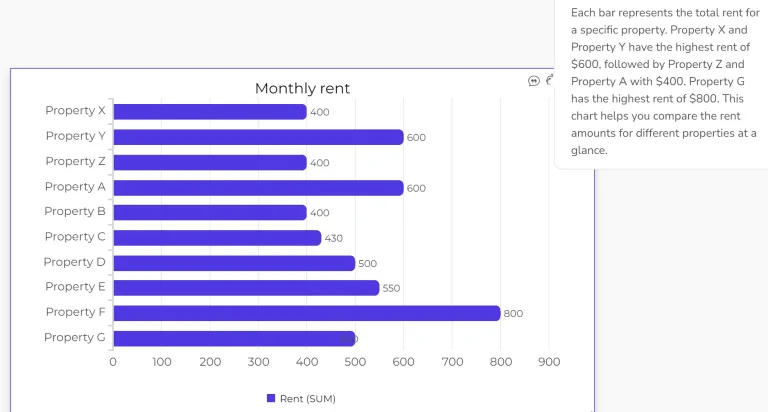
Interactive Real Estate ROI Calculator
Use this calculator to estimate the potential Return on Investment for a rental property. Adjust the sliders to see how different variables impact your overall returns.
$83,081,710
Total Cash Invested
$2,315,028
Total Rental Income (Gross)
$-80,766,682
Total Expenses (Operating + Mortgage Interest)
$0
Net Cash Flow (Before Sale)
$0
Estimated Sale Price
$0
Total Profit (Cash Flow + Appreciation + Principal Paydown - Costs)
0%
Total ROI
0%
Annualized ROI
Sample ROI Scenarios: Impact of Key Variables
Unpacked Analysis (Illustrative Data)
Common Pitfalls That Kill Real Estate Returns
Even with the best intentions, investors frequently stumble into traps that erode their returns. Avoiding these common pitfalls is as crucial as finding a good deal.
Underestimating Expenses: Many new investors only budget for the mortgage and property taxes. They forget about insurance, maintenance, repairs, property management fees (if applicable), vacancy periods, and capital expenditures like roof replacement or HVAC repairs. These add up quickly.
Overestimating Appreciation: While real estate generally appreciates over the long term, assuming aggressive annual growth rates is dangerous. Market cycles exist, and periods of stagnation or even decline are possible. Conservative appreciation estimates are always safer.
Ignoring Vacancy Rates: Properties are rarely occupied 100% of the time. Budget for at least a 5-10% vacancy rate annually, especially in markets with high tenant turnover. Lost rent directly impacts cash flow and overall ROI.
Poor Tenant Selection: A bad tenant can cost you thousands in damages, lost rent, and eviction fees. Thorough screening is non-negotiable. This isn't just a financial pitfall; it's a massive time and stress sink.
Investment Strategies: Buy & Hold vs. REITs vs. House Hacking
| Strategy | Initial Capital | Management Effort | Liquidity | Diversification | Potential Returns | Risk Profile |
|---|---|---|---|---|---|---|
| Buy & Hold (Single Family/Multi-Family) | High (Down Payment, Closing Costs) | High (Tenant Mgmt, Maintenance) | Low (Slow Sale Process) | Low (Concentrated in few properties) | High (Cash Flow, Appreciation, Principal Paydown, Tax Benefits) | Moderate to High (Market Risk, Tenant Risk) |
| Real Estate Investment Trusts (REITs) | Low (Share Price) | Very Low (Passive) | High (Traded on Stock Exchange) | High (Diversified Portfolio of Properties) | Moderate (Dividends, Stock Appreciation) | Moderate (Market Volatility, Interest Rate Risk) |
| House Hacking (Live-in Rental) | Moderate (Owner-Occupied Loan Terms) | Moderate (Live with Tenants, DIY Mgmt) | Low (Owner-Occupied Sale Process) | Low (Single Property Focus) | High (Reduced Living Costs, Cash Flow, Appreciation, Principal Paydown) | Moderate (Tenant Risk, Personal Space Compromise) |
When Real Estate ROI Makes Sense (And When It Doesn't)
Real estate is a powerful wealth-building tool, but it's not for everyone or every situation. It makes sense for investors seeking long-term capital appreciation, consistent cash flow, and the benefits of leverage and tax advantages. It's ideal for those willing to commit time and effort to property management or to pay for professional services.
Conversely, real estate is a poor fit for those needing high liquidity, unwilling to deal with tenants or maintenance, or seeking quick, speculative gains. If your investment horizon is short (under 5 years), or you cannot tolerate market fluctuations and unexpected expenses, other asset classes like diversified stock portfolios or high-yield savings accounts are superior choices.
Don't force a square peg into a round hole; align your investment strategy with your financial goals and risk tolerance.
Warning: Hidden Costs Most Investors Forget
Strategic Investment

Further Reading
A comprehensive overview of real estate investment strategies and considerations.
Dive deeper into one of the most critical metrics for investment analysis.
Learn how to maximize your after-tax returns by understanding landlord tax benefits.
Essential tips for finding reliable tenants and minimizing risk.
Sources
- 1.Real Estate ROI Calculator 2026 | Professional Property Investment Analysis
- 2.Return on Investment (ROI) Calculator
- 3.Rental Property ROI Calculator | Baselane
- 4.The 12 Best Real Estate Investment Calculators for 2026
- 5.Rental Real Estate Investment Calculator | BiggerPockets
- 6.DealCheck - The Leading Real Estate Analysis Software & Calculator
- 7.r/realestateinvesting on Reddit: What is the best tool to do Analysis on a property.
- 8.r/RealEstate on Reddit: How does one calculate the return on investment (ROI) for a rental property?
Rate this article
Your feedback helps surface the best content
Related articles
Have a question? Get your own article.
Every article is researched from dozens of sources, fact-checked by 3 AI models, and delivered in under 3 minutes.
Triple-Verified — 1 correction applied across 1 verification stages applied