How to Plan a Solo Backpacking Trip: A Step-by-Step Guide

March 26, 2026 · 5 min read
···
- Embrace the freedom of solo travel.
- Plan meticulously for safety and enjoyment.
- Prioritize a lightweight, well-fitted pack.
- Budget realistically for unexpected costs.
Solo backpacking is a transformative journey, demanding careful planning across destination, budget, route, and gear to ensure a safe, enriching, and empowering experience.
Key Takeaways
- Thoroughly research your destination, considering season, culture, and safety.
- Develop a realistic budget and a flexible itinerary, allowing for spontaneity.
- Invest in a properly fitted, lightweight backpack and test all your gear pre-trip.
- Prioritize personal safety through communication plans, insurance, and local awareness.
Watch Out For
- ⚠Overpacking, which leads to discomfort and fatigue.
- ⚠Neglecting pre-trip safety checks and emergency planning.
- ⚠Underestimating daily costs and unexpected expenses.
- ⚠Ignoring local advice or being overly rigid with your itinerary.
What You Need to Know: The Solo Backpacking Imperative
Solo backpacking is not merely a trip; it's an exercise in self-reliance and discovery. A well-planned solo journey separates the empowering adventure from a stressful ordeal. It means having contingency plans, understanding local nuances, and building a safety net, even when you're alone.
Good planning ensures flexibility, allowing you to adapt to unforeseen circumstances or spontaneous opportunities. It means researching beyond tourist traps, engaging with local culture, and having a clear understanding of your personal limits. This proactive approach minimizes risks and maximizes the rewards of independent travel.
Beginners often make critical mistakes that can derail their experience. Overpacking is a primary culprit; a heavy pack saps energy and limits mobility. Failing to budget adequately for daily expenses or emergencies can lead to financial strain. Crucially, many overlook the importance of researching local safety conditions, cultural norms, and the absolute necessity of a properly fitted backpack.
Embrace the Journey

Phase 1: Choose Your Destination and Season
Your destination sets the entire tone for your solo adventure. Research countries and regions known for solo traveler safety and infrastructure, like Southeast Asia, parts of Europe, or New Zealand. Consider the climate and peak seasons; traveling off-peak can mean fewer crowds and lower costs, but also fewer services.
Dive deep into cultural considerations, visa requirements, and local customs. Understanding these elements prevents misunderstandings and ensures a smoother experience. Reviewing the itineraries of established tour companies can also provide excellent inspiration for routes and must-see spots, even if you plan to travel independently.
Phase 2: Set Your Budget and Duration
A realistic budget is the bedrock of a stress-free solo trip. Account for daily expenses like food, accommodation (hostels are often budget-friendly and social), local transport, and activities. Don't forget major costs such as international flights and comprehensive travel insurance.
Estimate a daily spending average based on your chosen region – Southeast Asia typically offers lower costs than Western Europe. Factor in a buffer for unexpected expenses or spontaneous splurges. Clearly define your trip duration; a shorter trip might allow for a higher daily budget, while a longer journey demands more stringent financial discipline.
Solo Backpacking Budget Planner
Estimate your total solo backpacking trip cost by adjusting key variables. This calculator provides a general estimate and should be refined with specific research.
$2,335
Total Estimated Trip Cost
Phase 3: Map Your Route and Daily Itinerary
Sketching your trip with tools like Rome2Rio is crucial for understanding logistical feasibility. This helps visualize transitions between places and estimate travel times. Plan a sustainable pace; trying to cram too much into each day leads to burnout, not enjoyment.
While a detailed itinerary is helpful, build in flexibility. Solo travel thrives on spontaneity, so leave room for unexpected detours or longer stays in places you love. Always have backup plans for transport or accommodation, especially in less developed regions, to mitigate potential disruptions.
Sample 14-Day Solo Backpacking Route: Northern Thailand & Laos
Bangkok, Thailand
Arrive, explore temples, street food, and vibrant markets. Settle into a social hostel in the Old City.
Chiang Mai, Thailand
Overnight train or flight. Visit elephant sanctuaries, cooking classes, and explore the historic Old City.
Luang Prabang, Laos
Fly or take a scenic bus/boat. Discover waterfalls, morning alms ceremony, and night market. Connect with other travelers.
Hanoi, Vietnam
Fly to Hanoi. Explore the Old Quarter, Hoan Kiem Lake, and enjoy the bustling street life. Depart from Hanoi.
Phase 4: Select and Test Your Gear
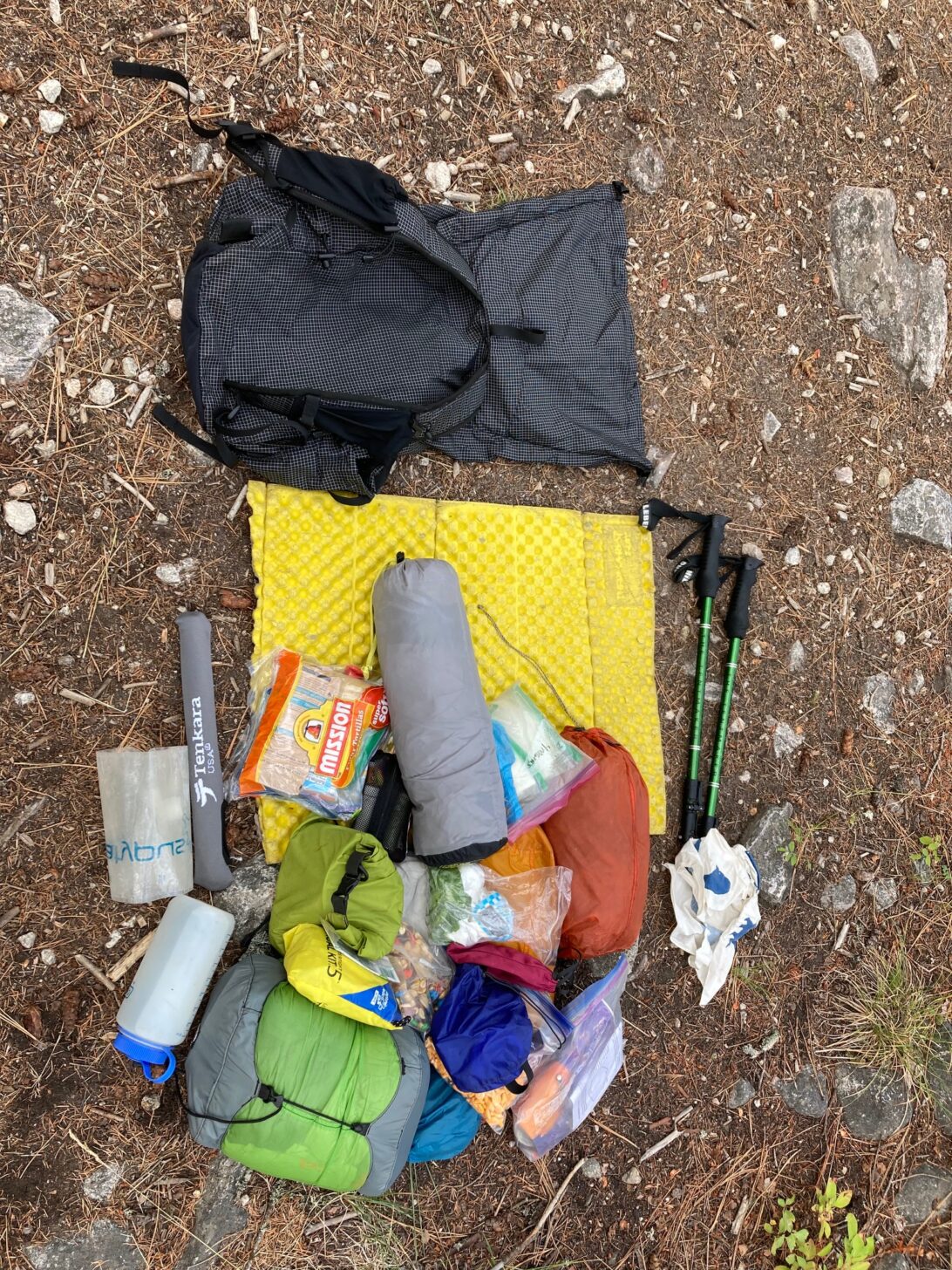
Finding the right backpack is paramount; it's your mobile home. Prioritize a balance of weight, storage, cost, and comfort, ensuring it fits your body and intended use. A pack that's too heavy or ill-fitting will quickly become your biggest regret.
Beyond the pack, meticulously select essential gear: appropriate clothing for varying climates, a robust first-aid kit, reliable navigation tools, and personal safety items. Crucially, test all your gear before you leave. Wear your packed backpack for a walk, set up your tent, and ensure your water filtration system works.
Reddit users consistently warn against taking a pack that's 'way too heavy' and underestimating water needs, with one noting 7 liters for 3 days was 'not enough!'
Gear Up Smart
Phase 5: Book Transport, Accommodation, and Experiences
Secure your international flights well in advance for the best rates. For accommodation, hostels are a solo traveler's best friend. They offer social areas perfect for meeting other backpackers and often organize group excursions, making it easy to forge connections.
While spontaneity is key, pre-booking your first few nights in a new city, especially after a long flight, is a smart move. Use platforms like Hostelworld or Booking.com, prioritizing locations with good reviews for cleanliness and social atmosphere. For longer legs of travel, consider booking trains or buses a few days ahead, particularly during peak season.
Phase 6: Pre-Trip Safety and Logistics Checklist
Safety is non-negotiable for solo travelers. Make copies of all important documents – passport, visa, insurance – and store them digitally and physically separate from the originals. Invest in comprehensive travel insurance that covers medical emergencies, trip cancellations, and lost luggage.
Establish a communication plan with friends or family, sharing your itinerary and checking in regularly. Consider a local SIM card upon arrival for easy access to maps and emergency services. Always inform someone of your daily plans, especially if you're venturing into remote areas. These steps are not about fear, but about empowering yourself with preparedness.
Common Solo Traveler Mistakes to Avoid
What real people think
Mostly positiveSourced from Reddit, Twitter/X, and community forums
Solo travelers consistently advocate for starting with shorter, local trips, prioritizing a well-fitted, light pack, and leveraging hostel social environments for connections. They emphasize the empowering nature of solo travel when done right.
Many recommend starting with a full day trip, then an overnight, before committing to longer solo hikes. A common beginner mistake is taking a pack that's 'way too heavy.'
Experienced backpackers suggest exploring 'age-old and tested itineraries' like the South America circuit or Golden Triangle, which often have established accommodations and routes.
The importance of speaking to locals for authentic experiences and safety tips is frequently highlighted. They 'know much' more than guidebooks.
One user shared a critical lesson: 'I brought all the water I needed for the entire trip. 7 liters for 3 days was not enough!' stressing the need to learn and adapt.
Further Reading
A comprehensive guide to essential gear, tested and reviewed for current year performance.
Real travelers share their top picks for safe, social, and budget-friendly solo adventures.
Stay updated on the latest solo travel trends, complete with a planning checklist and budgeting tips.
Personal insights from an experienced solo backpacker on starting out and common pitfalls.
Discover destinations that excel in safety, opportunities for social interaction, and affordability for solo travelers.
Sources
- 1.How to Plan a Solo Trip 2026: Trends, Checklist, Budget
- 2.The Ultimate Backpacking Checklist for 2026 | Tested
- 3.A complete guide to solo backpacking
- 4.19 Exciting Solo Travel Destinations in 2026 (From Real Travelers)
- 5.Solo Backpacking: Guide for Adventuring Alone
- 6.Beginner’s Guide to Solo Backpacking: What to Know Before You Go
- 7.How to plan a solo backpacking trip
- 8.r/WildernessBackpacking on Reddit: What does it take to go Backpacking for the first time solo?
- 9.How to Plan a Backpacking Trip—12 Expert Tips - The Big Outside
- 10.r/solotravel on Reddit: Curious to know peoples' process for planning a backpacking/long-term trip?
- 11.r/backpacking on Reddit: How do you plan a backpacking trip?
- 12.r/backpacking on Reddit: How to Plan a Backpacking Trip - Complete Guide
- 13.r/WildernessBackpacking on Reddit: Solo backpacking
- 14.r/backpacking on Reddit: How would you start planning your solo trip around the world?
- 15.Solo Backpacking 2026: 10 Safe, Social, Budget Spots
Rate this article
Your feedback helps surface the best content
Related articles
Have a question? Get your own article.
Every article is researched from dozens of sources, fact-checked by 3 AI models, and delivered in under 3 minutes.
Triple-Verified — 2 corrections applied across 1 verification stages applied