Humanoid Robots Coming to Market: What They Cost and When You Can Get One

March 19, 2026 · 13 min read
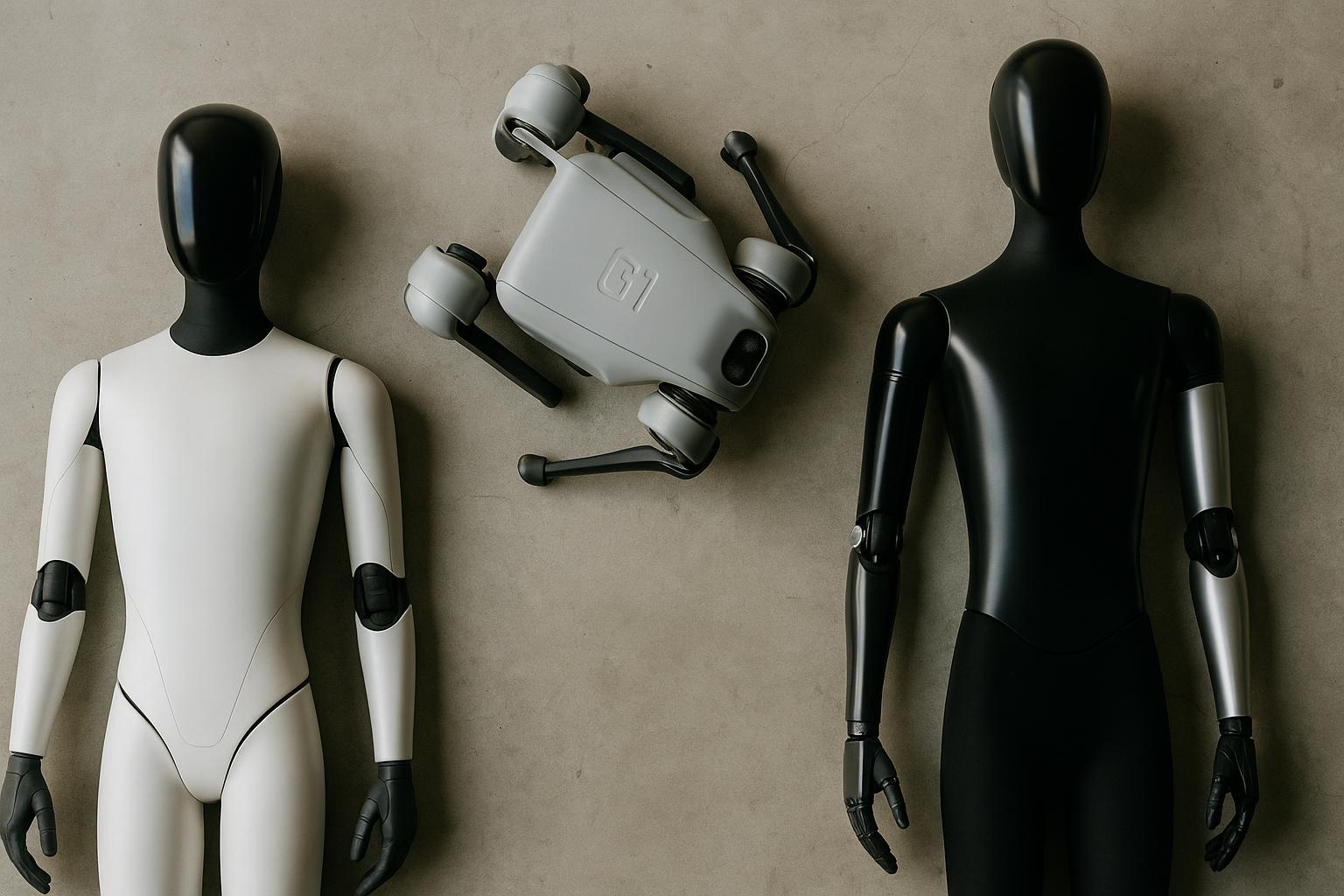
··
- Tesla Optimus and Unitree G1 lead on affordability ($20k-$30k and $13.5k respectively)
- but Figure 02 and Apptronik Apollo are the only robots you can actually deploy commercially right now—for $100k-$130k. Boston Dynamics Atlas promises premium capability at $130k-$320k but won't ship until late 2026.
The humanoid robot market is split between vaporware and reality. Only Unitree G1 ($13.5k), Figure 02 (~$130k), and Apptronik Apollo (~$50k-$80k target) are commercially available today for delivery. Tesla Optimus targets $20k-$30k by late 2027, while Boston Dynamics Atlas aims for $130k-$320k starting late 2026. Chinese manufacturers like Unitree dominate the affordable end; Western companies focus on premium industrial deployments.
Key Takeaways
- Unitree G1 is the only affordable humanoid you can buy today ($13.5k), but it's 4'4" tall and primarily for research/education
- Figure 02 and Apptronik Apollo are the only robots with confirmed paying commercial customers in manufacturing environments
- Tesla Optimus targets consumer pricing ($20k-$30k) but public sales won't begin until late 2027 at earliest
- Boston Dynamics Atlas starts production in 2026 at $130k-$320k, focusing exclusively on industrial automation
- Most announced prices are aspirational targets based on future mass production—initial units cost 5-10x more to manufacture
Watch Out For
- ⚠Marketing videos use teleoperation: Many 'autonomous' demos have humans remotely controlling the robot
- ⚠Prototype ≠ product: A working demo doesn't mean you can buy one or that it will cost what they claim
- ⚠Battery life is terrible: Most run 2-5 hours per charge, requiring constant battery swaps in real deployments
- ⚠Walking speed matters: Slower robots create bottlenecks; many can't keep pace with human workers
- ⚠No consumer pathway yet: Despite Musk's promises, zero humanoid makers have opened pre-orders for home use
Humanoid Robot Market at a Glance
$13,500
Cheapest humanoid you can buy today (Unitree G1)
Late 2027
Earliest consumer Optimus availability (Tesla target)
2
Robots with confirmed paying customers (Figure 02, Apollo)
Compiled from manufacturer announcements and industry analysis, February-March 2026
The Reality Check: What's Actually for Sale vs. What's Coming
The humanoid robot market in 2026 is a minefield of aspirational timelines and prototype hype. Here's the brutal truth: most of the robots getting headlines aren't for sale, and the ones that claim future prices are pure speculation.
Let's separate shipping products from science projects:
Available for purchase today: - Unitree G1: $13,500 base model, shipping within weeks. The catch? It's only 132cm (4'4") tall, designed for research labs, not industrial work. - Figure 02: ~$130,000 estimated, enterprise-only. Already working at BMW's Spartanburg plant with paying customers. - Apptronik Apollo: Targeting $50,000-$80,000, with commercial pilots at Mercedes-Benz and GXO Logistics.
Limited availability in 2026.
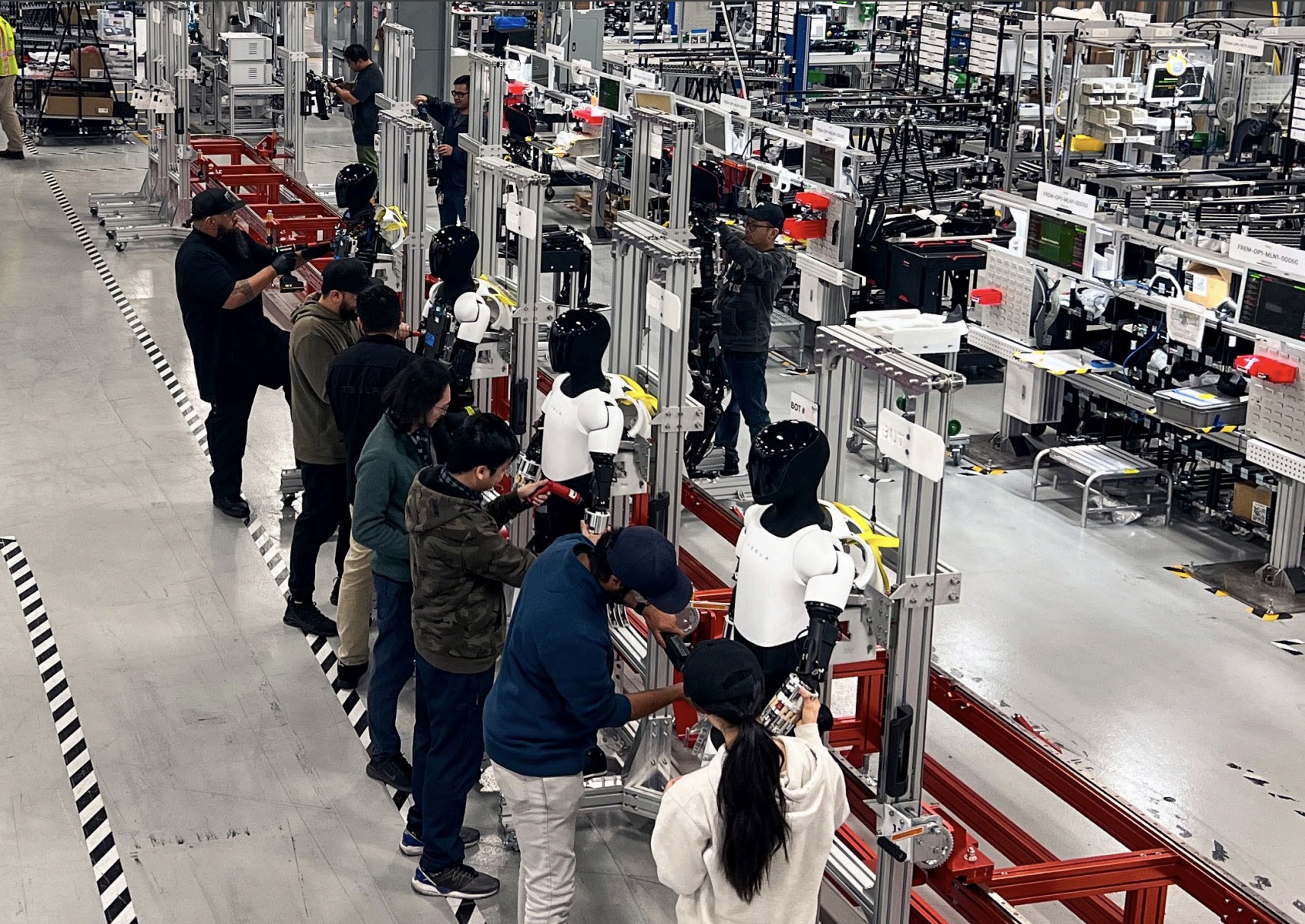
Coming in 2026-2027 (supposedly): - Boston Dynamics Atlas: Production started January 2026, priced $130,000-$320,000. First units shipping to Hyundai late 2026. - Tesla Optimus: Mass production began February 2026 at Fremont factory. Public sales target: late 2027 at $20,000-$30,000. But remember: Musk originally promised Optimus production by 2023.
Vaporware watch: - 1X NEO: Backed by OpenAI, no confirmed pricing or availability timeline - Sanctuary AI Phoenix: Multiple generations announced, zero commercial deployments confirmed
The dirty secret: announced prices assume annual production volumes of 100,000+ units. Current manufacturing costs are 5-10x higher. Tesla's $20k target requires producing over 1 million units per year—a milestone they won't hit until 2028 at earliest.
Humanoid Robots by Price Tier
Under $20,000
Research and education platforms. Compact size (4-5 feet tall), limited payload capacity, 2-hour battery life. Primary use: university labs and robotics education.
$20,000-$50,000
The 'affordable humanoid' promise zone—but nothing is actually available yet. Tesla Optimus targets $20k-$30k by late 2027. Apptronik Apollo aims for sub-$50k at scale. Expect delays.
$50,000-$100,000
Enterprise entry tier. Full-size humanoids (5'6"-5'8" tall) designed for manufacturing, logistics, and warehouse automation. Limited availability through pilot programs.
$100,000-$150,000
Premium industrial humanoids. Best-in-class AI, proven reliability, real customer deployments. This is where actual commercial traction exists today.
$150,000+
Top-tier performance platforms. Boston Dynamics Atlas represents the pinnacle of humanoid mobility and dexterity, but at a price that limits adoption to deep-pocketed enterprises.
Announced Pricing: Target vs. Reality
Most manufacturers announce aspirational prices based on future mass production. Current manufacturing costs tell a different story.
Manufacturer announcements, industry analyst estimates, February-March 2026
Best Overall: Figure 02 — The Only Humanoid Actually Working for Paying Customers
~$130,000 (estimated enterprise pricing)
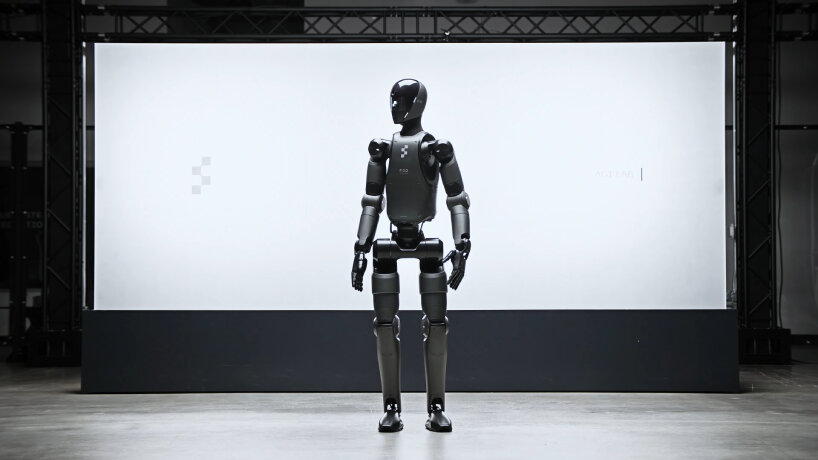
168 cm (5'6")
70 kg (154 lbs)
20-25 kg hands, 50 kg total
16 degrees of freedom per hand
Enterprise-only, pre-order for 2026 delivery
5 hours continuous operation
1.2 m/s
Figure 02 is the only humanoid robot with real commercial traction. While Tesla grabs headlines and Unitree wins on price, Figure AI has done what matters: shipped robots to paying customers who use them 24/7 in production environments. BMW's Spartanburg plant runs Figure 02 robots nearly around the clock, and the company became revenue-generating in December 2024—a milestone no competitor has matched. The $130k price tag reflects reality, not aspirational mass-production math. Figure AI's Helix VLA AI system enables zero-shot manipulation of thousands of objects without pre-programming, and the 5-hour battery life leads the category. The decision to develop AI in-house (ending the OpenAI partnership in 2025) was the right call—embodied AI needs to be vertically integrated, not outsourced. Downsides? Walking speed is slower than Unitree G1 or Agility Digit, and Figure 03's October 2025 announcement raises questions about long-term platform support.

Best Value (Available Now): Unitree G1 — Affordable, But Tiny
$13,500 (base) to $73,900 (EDU Ultimate)
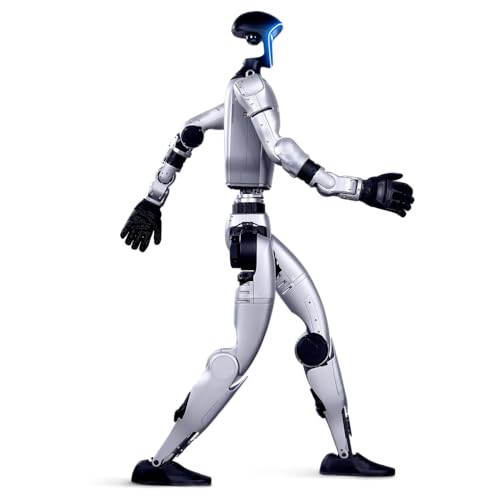
127-132 cm (4'2"-4'4")
35-47 kg depending on config
~2 kg per arm
0-7 per hand (config dependent)
Shipping now, 5-7 business days
~2 hours
2 m/s (fastest in class)
Unitree G1 is the democratizer. At $13,500, it's the only humanoid robot under $50k you can actually buy and receive within weeks. Over 5,000 units deployed at institutions including Amazon, Stanford, MIT, and UT Austin prove it's a legitimate research platform, not a toy. The 2 m/s walking speed embarrasses competitors twice its price, and the EDU version with full SDK access enables real AI development work. But let's be clear: **this is not an industrial robot**. At 4'4" tall, the G1 can't reach standard workbenches or shelves. The 2kg payload per arm limits practical manipulation. The 2-hour battery life means constant swaps. And the base $13,500 model has zero SDK access—it's a remote-controlled demo unit, nothing more. You need the EDU Standard ($43,500) for actual development work. The G1 shines in academic research, multi-robot swarm experiments, and corporate R&D where cost-per-unit matters. It's terrible for industrial deployment, content creation (despite viral videos), or anything requiring human-scale reach. Chinese manufacturing gives Unitree a structural cost advantage Western competitors can't match.
Best Future Bet: Tesla Optimus — If It Delivers
$20,000-$30,000 target (late 2027 public availability)

173 cm (5'8")
57 kg (125 lbs)
20 kg carry, 68 kg deadlift
22 per hand (Gen 3)
Internal Tesla use 2026, public sales target late 2027
1 full day target (light duty)
Up to 5 mph
Tesla Optimus is the most overhyped and potentially game-changing robot in this guide. Musk's $20k-$30k price target would obliterate the competition—**if** Tesla hits it. The bet hinges on vertical integration: Tesla manufactures actuators, batteries, AI chips, and now robots in-house at automotive scale. The FSD-derived AI trained on billions of real-world miles gives Tesla a data moat competitors can't match. Over 1,000 Optimus units are already deployed in Tesla factories, generating training data daily. The Fremont factory conversion in Q2 2026 and $20+ billion 2026 capex show Tesla is serious about production scale. But here's the problem: **Musk's timelines are consistently wrong**. Optimus was supposed to reach 'low production' in 2023. Then 2024. Then 2025. Now the target is late 2027 for public sales, and even that assumes flawless execution. Current manufacturing cost estimates are $50k-$100k per unit—the $20k target requires annual volumes exceeding 1 million units, which won't happen until 2028 at earliest. The October 2024 'We, Robot' event was embarrassing: Bloomberg confirmed the Optimus robots bartending and playing charades were remotely operated by humans. Until you can actually buy one, treat every Optimus announcement as aspirational.
Premium Choice: Boston Dynamics Atlas — Overkill for Most, Unmatched for Athletics
$130,000-$320,000 (production starting 2026)
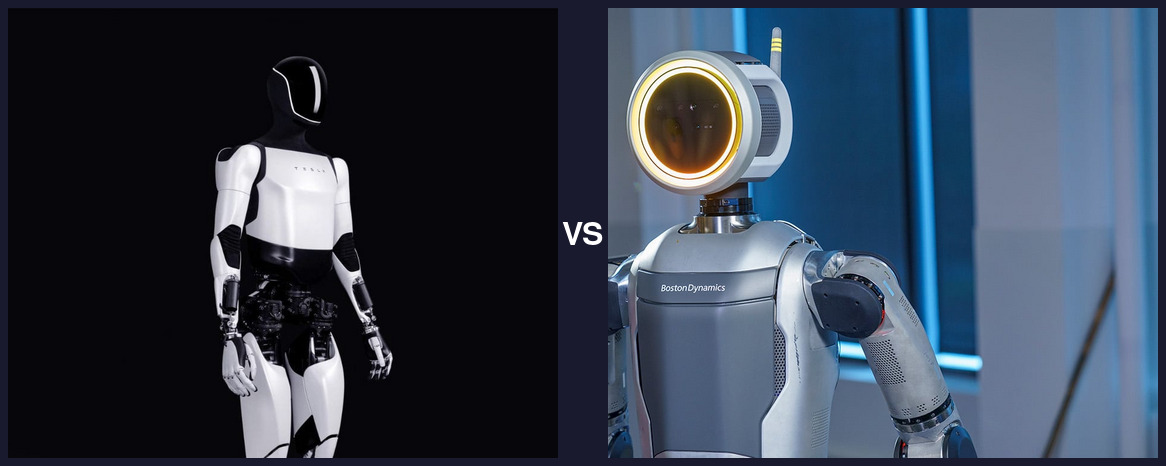
~150 cm (estimated, not disclosed)
~80-90 kg (estimated)
Up to 50 kg
Multiple gripper variations available
Late 2026 to Hyundai facilities first
Hot-swappable autonomous charging
Not disclosed, but highly dynamic
Boston Dynamics Atlas is the robot that shouldn't exist commercially—and yet, here it is. The April 2024 shift from hydraulic to all-electric was revolutionary: custom actuators enable 360° rotation at hips, waist, and neck joints (impossible for humans), while eliminating fluid maintenance and noise. The creepy 'unnatural' standup maneuver in the reveal video wasn't a party trick—it demonstrated mobility beyond human constraints. Atlas represents decades of DARPA-funded R&D finally commercialized, but the $130k-$320k price reflects that pedigree. Boston Dynamics' partnership with Google DeepMind for AI and Hyundai for manufacturing actuators gives Atlas enterprise-grade reliability competitors lack. But let's be honest: **most companies don't need Atlas-level capability**. The gymnastics and parkour are impressive, but material handling and part sequencing don't require backflips. Figure 02 or Apptronik Apollo deliver 80% of the utility at 40-60% of the price. Atlas makes sense if you're Hyundai deploying across automotive plants at scale, or if you need maximum mobility in complex, dynamic environments. For typical warehouse or manufacturing use cases, it's massive overkill. The 2026 production timeline is the most credible in the industry—Boston Dynamics actually ships products.
Dark Horse: Apptronik Apollo — Enterprise-Focused, Google-Backed
Sub-$50,000 target, ~$80,000 by 2027 (enterprise pilot pricing not disclosed)
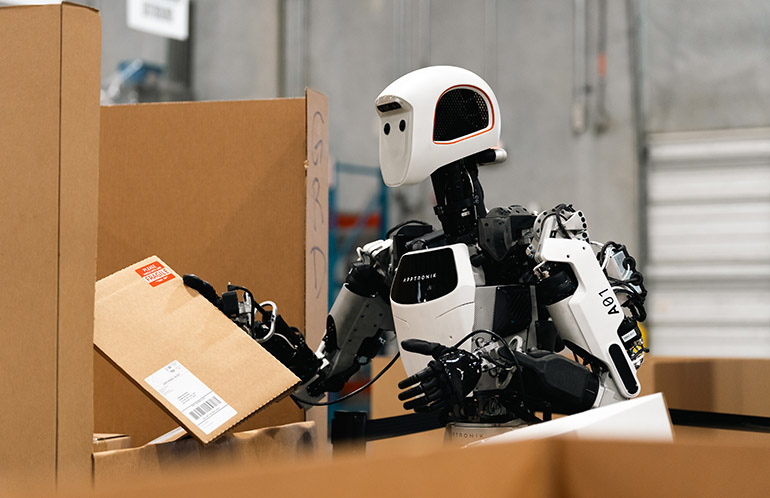
173 cm (5'8")
73 kg (160 lbs)
25 kg max
71 total DOF (body + hands)
Limited commercial pilots 2026, production scaling 2027
4 hours per battery, hot-swappable
Not disclosed
Apptronik Apollo is the under-the-radar contender with the right partnerships and realistic timelines. The $520 million Series A extension at $5.5 billion valuation in February 2026 was led by Google and Mercedes-Benz—both actively testing Apollo in real facilities. That's not speculation; these are paying pilot programs at Mercedes-Benz factories, GXO Logistics warehouses, and Jabil manufacturing plants. Apollo's hot-swappable 4-hour batteries solve the operational problem plaguing competitors: no downtime for charging. The 71 degrees of freedom and NVIDIA GR00T platform give it technical parity with Figure 02. The 'friendly' industrial design—bright white shell, LED eyes, approachable aesthetic—reduces worker anxiety during human-robot collaboration. Apptronik's DNA matters: the team built NASA's Valkyrie humanoid and has iterated through 10+ robot platforms since 2016. They understand failure modes and reliability in ways startups founded in 2022-2023 don't. The challenge? **Production scale**. Apptronik aims to produce commercial volumes in 2026, but current capacity is under 1,000 units. The sub-$50k target price requires manufacturing breakthroughs that haven't happened yet. The Google DeepMind partnership for embodied AI is smart—developing proprietary AI in-house would drain capital better spent on hardware and scale.
Humanoid Robot Specs Comparison
| Robot | Price | Height | Payload | Battery | Status |
|---|---|---|---|---|---|
| Unitree G1 | $13.5k | 4'4" | 2 kg/arm | 2 hrs | Shipping now |
| Tesla Optimus | $20k-$30k target | 5'8" | 20 kg | Full day target | Late 2027 public |
| Apptronik Apollo | $50k-$80k target | 5'8" | 25 kg | 4 hrs, swappable | 2026 pilots |
| Figure 02 | ~$130k est. | 5'6" | 20-25 kg | 5 hrs | Shipping now (enterprise) |
| Boston Dynamics Atlas | $130k-$320k | ~4'11" | 50 kg | Auto-swap | Late 2026 |
| Unitree H1 | $90k | 5'11" | Not disclosed | Not disclosed | Available |
| 1X NEO | TBD | 5'5" (est.) | TBD | TBD | Development |
When These Robots Are Actually Coming
Unitree G1, Figure 02 available for purchase
Only two humanoid robots are commercially available today: Unitree G1 ships within weeks for $13.5k-$74k depending on configuration. Figure 02 available for enterprise pre-orders at ~$130k with 2026 delivery. Both have real customers using them.
Tesla Optimus internal deployment, Atlas production begins
Tesla ramps Optimus production at Fremont factory for internal use in Tesla facilities—targeting 5,000-12,000 units in 2025, 50,000 in 2026. Boston Dynamics begins Atlas production with first units shipping to Hyundai's RMAC facility late 2026. Apptronik scales commercial pilots.
Tesla Optimus public sales target, commercial deployments scale
Musk targets late 2027 for Tesla Optimus consumer availability at $20k-$30k (high skepticism warranted—this timeline has already slipped 3+ years). Figure, Apptronik, and Atlas expected to reach hundreds to low thousands of commercial units deployed.
Mass production (maybe)
If everything goes right: Tesla hits 1M Optimus units/year, driving costs to $20k target. Boston Dynamics/Hyundai aim for 30,000 Atlas units/year. Realistic forecast: Half these numbers, prices 1.5-2x higher than projected. Chinese competitors flood market with sub-$20k options.
Capability Scorecard
How the top humanoid robots compare across key performance metrics (0-10 scale)
| Metric | Unitree G1 | Tesla Optimus | Figure 02 | Atlas | Apptronik Apollo |
|---|---|---|---|---|---|
| Availability (can you buy it?) | 10/10 | 2/10 | 8/10 | 4/10 | 5/10 |
| Price competitiveness | 10/10 | 9/10 | 4/10 | 2/10 | 6/10 |
| Payload capacity | 3/10 | 6/10 | 7/10 | 10/10 | 7/10 |
| AI/autonomy capability | 6/10 | 8/10 | 9/10 | 7/10 | 7/10 |
| Battery life/uptime | 4/10 | 8/10 | 9/10 | 8/10 | 7/10 |
| Commercial proven (real deployments) | 7/10 | 3/10 | 10/10 | 5/10 | 6/10 |
| Hand dexterity | 5/10 | 8/10 | 8/10 | 7/10 | 8/10 |
The Dirty Secrets Humanoid Companies Don't Want You to Know
The humanoid robot industry runs on hype, aspirational timelines, and carefully edited demo videos. Here's what manufacturers aren't telling you:
Most 'Autonomous' Demos Use Teleoperation
That viral video of a humanoid robot folding laundry or making coffee? There's a decent chance a human was remotely controlling it. Bloomberg confirmed Tesla's October 2024 'We, Robot' event featured Optimus robots that were teleoperated—bartending and playing charades while pretending to be autonomous.
Even Figure AI's impressive demos required teleoperation for some tasks until their Helix VLA AI system matured in 2025. Always ask: Is this robot operating autonomously, or is there a human in the loop?
Announced Prices Are Fantasy Economics
Tesla's $20k-$30k Optimus target assumes producing 1+ million units per year—a volume they won't hit until 2028-2029 at earliest. Current manufacturing cost estimates are $50k-$100k per unit. Apptronik's sub-$50k target similarly requires scale they don't have yet.
The only honest pricing in the market comes from companies actually shipping: Unitree G1 at $13.5k (profitable today at Chinese manufacturing costs) and Figure 02 at ~$130k (reflects actual commercial pricing, not aspirational targets).
Battery Life Is a Disaster
Most humanoid robots run 2-5 hours per charge. In real manufacturing environments, that means constant battery swaps, downtime, and operational complexity. Apptronik's hot-swappable battery design is the right approach, but it's not standard. Tesla claims 'full day' operation for light-duty Optimus tasks—we'll believe it when independent testers confirm it.
For now, battery life remains the Achilles heel preventing true 24/7 autonomous operation.
Walking Speed Creates Bottlenecks
Figure 02 walks at 1.2 m/s. Human walking speed averages 1.4 m/s. That 15% speed disadvantage compounds in real workflows—humanoid robots create bottlenecks, not efficiency gains. Unitree G1's 2 m/s walking speed is impressive, but the robot is too small for industrial work.
Until humanoids match or exceed human walking speed while carrying payloads, they'll struggle to justify ROI in time-sensitive operations.
No One Has Solved the 'General Purpose' Problem
Every humanoid company promises 'general purpose' robots that can do thousands of tasks. In reality, deployed humanoids perform 1-3 highly specific tasks: moving totes, placing parts, sorting packages. The gap between demo videos showing robots folding laundry, opening doors, and cooking meals versus actual deployed capability is enormous.
Even Figure 02—the most commercially successful humanoid—is limited to factory automation tasks. Your humanoid butler is 10+ years away, minimum.
In reality, deployed humanoids perform 1-3 highly specific tasks: moving totes, placing parts, sorting packages.
What NOT to Buy
Why Chinese Manufacturers Will Win the Price War
Unitree G1 at $13,500. Chinese startup Engine AI's PM01 at $12,320. Meanwhile, Western humanoid robots start at $100k+. The price gap isn't a temporary phenomenon—it's structural.
Chinese manufacturers benefit from: - Vertically integrated supply chains: Actuators, motors, sensors, and electronics sourced domestically at 30-50% lower costs than Western equivalents - Lower labor costs: Engineering talent and manufacturing labor cost a fraction of Bay Area or Austin rates - Government subsidies: China's national robotics development plan provides R&D funding and manufacturing incentives Western startups don't get - Willingness to sell at lower margins: Chinese companies prioritize market share and deployment volume over near-term profitability
At CES 2026, 20 of 34 humanoid robotics exhibitors were Chinese—nearly 60% of the field. This isn't hype; it's industrial policy executed at scale.
The Western response? Bet on AI superiority. Tesla's FSD-derived neural networks, Figure AI's Helix VLA system, and Google DeepMind's partnership with Apptronik represent attempts to create a software moat that justifies premium pricing. The question is whether AI advantages can justify 5-10x price premiums once Chinese manufacturers adopt similar architectures.
My prediction: By 2028, sub-$15k humanoid robots from Chinese manufacturers will flood research labs and educational institutions globally. Western companies will retreat to the premium industrial segment where reliability, support, and integration matter more than price. The consumer humanoid market (if it emerges) will be dominated by Chinese hardware running Western AI models.
Which Humanoid Robot Should You Actually Buy?
University research lab on a budget
**Unitree G1 EDU Standard ($43,500)** — Full SDK access, ROS 2 support, cheapest platform for locomotion and manipulation research. Accept the 4'4" height limitation. Alternative: Wait for Unitree R1 ($4,900) if you need even lower cost.
Manufacturing facility evaluating automation
**Figure 02 (~$130k) or Apptronik Apollo (pilot pricing)** — Only robots with proven commercial deployments. Figure if you need it in 2026; Apollo if you can wait until 2027 for better pricing. Skip Atlas unless you're deploying at Hyundai-level scale.
Logistics/warehouse operation
**Wait.** Humanoid robots aren't cost-effective for most warehouse tasks yet. Dedicated AMRs and robotic arms deliver better ROI. Consider humanoids only for highly variable manipulation tasks that current automation can't handle.
Consumer/home user
**Don't buy anything in 2026.** There is no consumer humanoid robot. Tesla Optimus public availability is late 2027 at earliest (if timelines hold). Save your money and revisit in 2028 when products actually ship.
Robotics startup/developer
**Unitree G1 EDU Ultimate ($73,900) for multi-robot research** — Best cost-per-unit for swarm robotics and embodied AI development. Alternatively, wait for Tesla Optimus if you specifically need FSD-derived AI platform.
Fortune 500 early adopter with deep pockets
**Boston Dynamics Atlas ($130k-$320k)** — Best-in-class mobility and reliability, enterprise-grade support, proven track record. Overkill for most use cases, but if budget isn't a constraint, Atlas delivers maximum capability.
Time to Market: Announced vs. Likely Reality
Humanoid robot companies consistently miss timelines. Here's when they claim availability versus realistic projections.
Manufacturer timelines adjusted for historical delays and production ramp challenges
What real people think
DividedSourced from Reddit, Twitter/X, and community forums
The robotics community is split between Tesla believers betting on FSD-derived AI and scale, pragmatists backing Figure/Apptronik's proven commercial deployments, and skeptics who think humanoid form factor is fundamentally wrong for most applications.
Experienced roboticists are skeptical of humanoid hype. Top comment: 'Dedicated robots for dedicated tasks will always beat general-purpose humanoids on cost and reliability. The human form factor only makes sense when you must operate in human environments with human tools—which is rarer than founders admit.'
G1 praised as best research platform under $50k, but with major caveats. Common complaint: 'The 132cm height means you're not doing human-scale manipulation research. It's great for locomotion algorithms, terrible for anything requiring standard table/shelf heights.' EDU version is consensus pick over base model.
Early reports are cautiously positive. BMW engineer (anonymous, LinkedIn): 'Figure 02 handled 90,000+ parts over 1,250 hours with 5mm precision. Not perfect, but exceeded expectations for Gen 1 hardware.' Common concern: battery swap logistics add operational complexity.
Optimus believers project $1+ trillion market, citing Tesla's vertical integration and AI advantages. Skeptics point to missed timelines and teleoperation revelations. Polarized opinions with little middle ground. Key insight from robotics expert: 'Tesla's data advantage is real, but manufacturing humanoids at automotive scale is harder than Musk admits.'
Analyst consensus: humanoid robot market will grow, but slower than hype suggests. JP Morgan values Boston Dynamics at $49B based on Atlas commercialization potential. Goldman estimates 1M humanoid robots deployed globally by 2031 (down from earlier 2027 prediction). Key risk: 'Business case remains unproven outside niche manufacturing tasks.'
Final Verdict: What to Do Right Now
The humanoid robot market in 2026 is all promise and little delivery. Here's my brutally honest recommendation:
If you need a humanoid robot in 2026: - Research/education with budget <$50k: Buy Unitree G1 EDU Standard ($43.5k minimum for SDK access) - Manufacturing/logistics deployment now: Buy Figure 02 (~$130k, only proven option) - Willing to wait 6-12 months for better value: Pilot Apptronik Apollo (better price/performance than Figure when available)
If you're considering Tesla Optimus: - Wait until late 2027 launch, then wait another 6-12 months for Gen 2. Let others debug the hardware. - The $20k-$30k target is real IF Tesla hits 1M+ units/year. Don't expect that price before 2028-2029. - Tesla's FSD-derived AI is a genuine advantage, but only if the hardware ships.
If you're considering Boston Dynamics Atlas: - Only makes sense if you're deploying at enterprise scale (hundreds of units) and need maximum mobility. - For standard material handling, Figure 02 or Apollo deliver 80% of capability at 40-60% of cost. - The $130k-$320k range positions Atlas as premium industrial option, not mainstream.
If you're a consumer waiting for a home robot: - Do not buy anything marketed for home use in 2026. It doesn't exist. - Revisit in late 2027 when Tesla Optimus supposedly launches for consumers. - Even then, expect first-gen limitations: 2-4 hour battery, limited task capability, safety concerns around pets/children.
The bottom line: Humanoid robots are transitioning from research curiosity to commercial reality, but we're in the awkward middle stage where only 2-3 products are actually available, most announced prices are fantasy, and timelines are consistently missed by years. The technology is real. The business case is emerging. The hype is ahead of reality.
Buy Unitree G1 if you need cheap experimentation. Buy Figure 02 if you need proven industrial capability today. Wait for everything else.
Sources
- 1.Tesla Optimus Robot Price and Release Date — Standard Bots
- 2.Tesla Optimus V3: Release Date, Price, and the Robot Pivot — TechColdWar
- 3.Figure 02 Review: Specs & Price [2026] — Robozaps
- 4.Figure AI — Wikipedia
- 5.Boston Dynamics Atlas Robot Official Product Page
- 6.Boston Dynamics to Price Humanoid Atlas Below 2-Years' US Manufacturing Payroll — KED Global
- 7.Apptronik Apollo Review [2026] — Robozaps
- 8.Apptronik Raises $520M at $5B Valuation — CNBC
- 9.Unitree G1 Official Product Page
- 10.Unitree G1: Pricing, Specs & Consultation | 2026 Guide — BotInfo.ai
- 11.Humanoid Robots Are Getting Cheaper — KrAsia
- 12.Elon Musk Says Tesla Optimus Robots for Public Sale by End of 2027 — Fox Business
Rate this article
Your feedback helps surface the best content
Related articles
Have a question? Get your own article.
Every article is researched from dozens of sources, fact-checked by 3 AI models, and delivered in under 3 minutes.