Iran's Kharg Island: Trump's Threat Explained

March 31, 2026 · 6 min read
···
- Kharg Island is Iran's vital oil export hub.
- Trump threatens its destruction if no deal is reached.
- Such an attack would devastate Iran's economy.
- Global oil prices would skyrocket, causing widespread economic pain.
President Trump has explicitly threatened to destroy Iran's Kharg Island, the country's primary oil export terminal, if a new deal is not reached and the Strait of Hormuz is not 'Open for Business.' This move, if executed, would cripple Iran's economy and send shockwaves through global energy markets.
Key Takeaways
- Kharg Island handles over 90% of Iran's crude oil exports, making it indispensable to the nation's finances.
- The U.S. has already conducted airstrikes on Kharg's military installations in March 2026, but spared oil infrastructure.
- Destroying Kharg would trigger an immediate, massive surge in global oil prices and likely provoke Iranian retaliation.
- The threat is part of a broader strategy to pressure Iran, but carries immense risks for regional stability and the world economy.
Watch Out For
- ⚠Any further U.S. military action targeting Iranian energy infrastructure.
- ⚠Iran's potential retaliatory measures, including mining the Persian Gulf or targeting regional oil facilities.
- ⚠The impact on global oil prices and the stability of international shipping lanes.
- ⚠Diplomatic efforts to de-escalate tensions and secure a new agreement.
What You Need to Know: Kharg Island—And Why It Matters
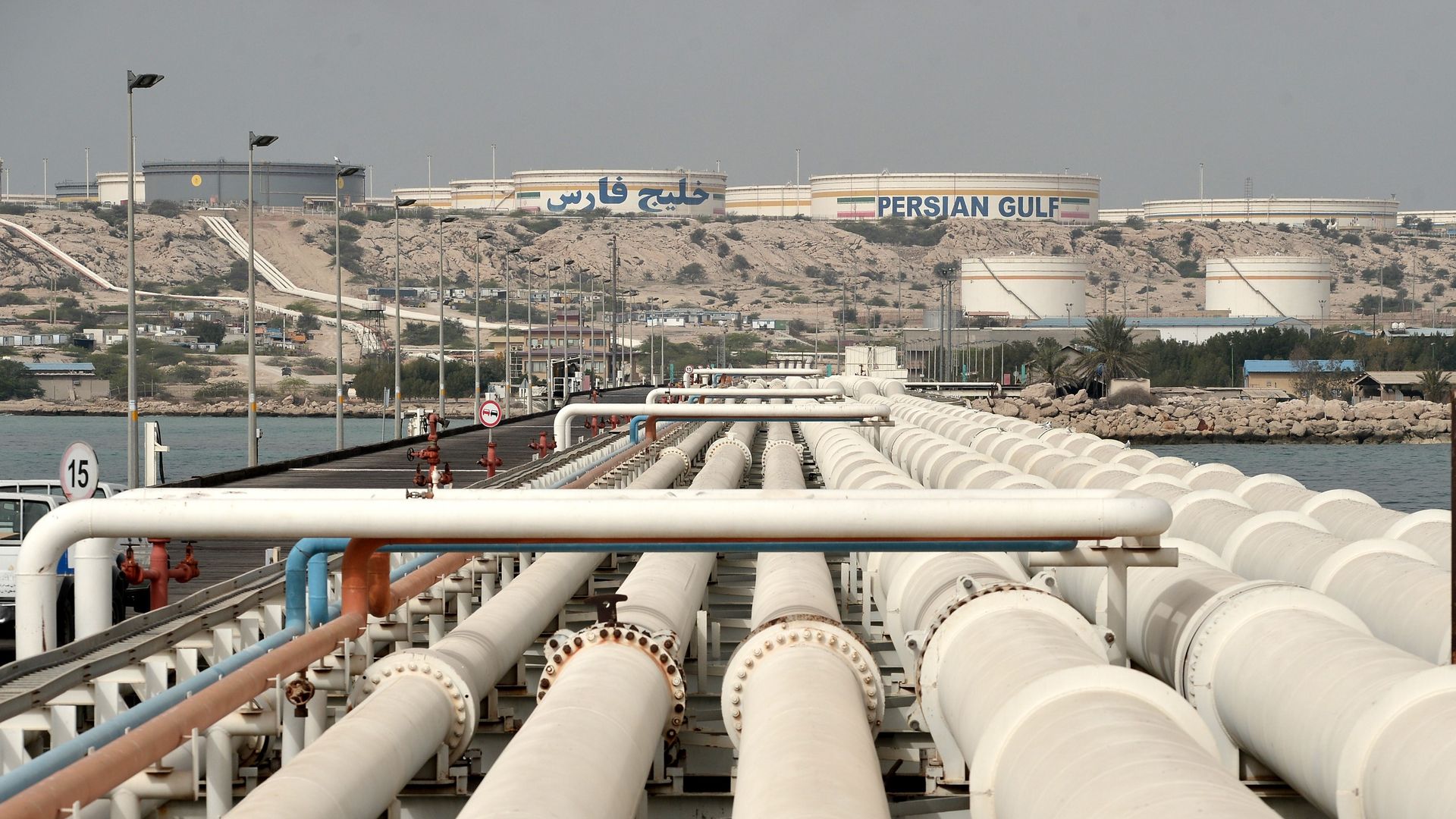
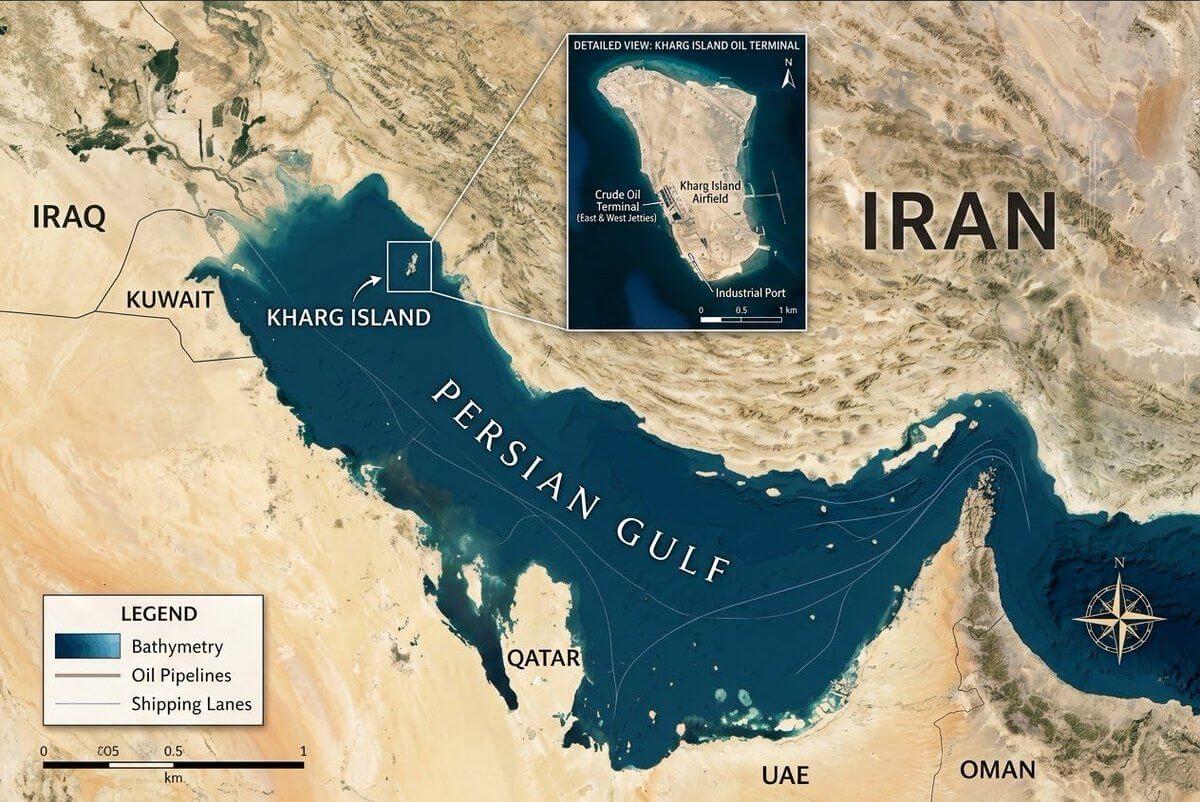
Kharg Island is not merely an island; it is the beating heart of Iran's oil economy. Situated in the Persian Gulf, approximately 25 kilometers off the Iranian coast, it serves as the country's main oil export terminal. Over 90% of Iran's crude oil exports pass through Kharg, making it an indispensable asset for the nation's revenue and global energy supply.
Its strategic importance cannot be overstated. Any disruption to Kharg Island directly impacts Iran's ability to fund its government, military, and social programs. For beginners, understanding this dependency is crucial: targeting Kharg is akin to cutting off Iran's financial oxygen supply. Mistakes often arise from underestimating the island's singular role in Iran's economic survival.
What real people think
DividedSourced from Reddit, Twitter/X, and community forums
Online communities are sharply divided on the implications of Trump's threats against Kharg Island. While some acknowledge its critical importance to Iran, others question the credibility of the threat or express deep concern over the potential for catastrophic escalation and global economic fallout. There's a strong undercurrent of skepticism regarding the long-term strategic benefits versus the immediate, severe risks.
“Trump was talking about taking Kharg island in the 80s. The problem is that once oil is loaded onto ships at Kharg it becomes Chinese property, therefore the US only have the option to go further.”
Reddit user
“And Iran can go bomb the oil infrastructure all around other countries and go scorched earth and bring the pain to US with skyrocket of oil prices.”
Reddit user
Many users highlight Kharg Island's vital role as Iran's primary oil export hub, emphasizing its critical infrastructure for the Iranian economy and its heavily protected status.
There's skepticism about the U.S. fully destroying oil infrastructure, with some pointing to recent U.S. airstrikes that targeted military installations but spared oil facilities.
Concerns are raised about the potential for Iranian retaliation, including 'scorched earth' tactics against other oil infrastructure in the region, leading to skyrocketing oil prices.
Some discussions recall past rhetoric about Kharg Island, noting that the idea of targeting or seizing it has been floated for decades, questioning the novelty or immediate execution of the current threat.
Related discussions
Trump thinks this island is the key to Iran – his gamble will be deadly
r/geopoliticsWhat is Kharg Island and why did Trump target it?
r/geopoliticsTrump says U.S. 'obliterated' military targets on Iran's Kharg Island but didn't 'wipe out' oil infrastructure
r/geopoliticsWhats going on with Kharg Island, Iran and why is it suddenly important to the USA?
r/OutOfTheLoopWill USA invade Kharg Island?
r/PoliticalDiscussionKey Facts on the Current Situation (March 2026)
Over 50,000
U.S. Troops in Middle East
March 30, 2026
Date of Latest Threat
U.S. Central Command / The New York Times
The Strategic Importance: Why Target This Island?
Kharg Island's strategic value extends beyond its oil loading facilities. Its location near the Strait of Hormuz, a critical choke point for global oil shipments, amplifies its significance. Control or destruction of Kharg would severely impede Iran's ability to project economic power and fund its regional activities.
Targeting Kharg is a clear signal of intent to inflict maximum economic pain on Iran. It aims to force concessions by threatening the very foundation of the Iranian state's financial stability. The island also hosts military installations, which the U.S. has already targeted this month, indicating a layered approach to pressure.
Kharg Island's Strategic Position
Trump's Stated Rationale and Recent Rhetoric
President Trump's recent rhetoric has been unequivocal. On March 30, 2026, he threatened to "blow up" Kharg Island and other key Iranian energy sites if a deal is not "shortly reached" and the Strait of Hormuz is not "immediately 'Open for Business'." This follows earlier statements where he claimed the U.S. had "obliterated" military targets on Kharg but deliberately spared oil infrastructure.
This aggressive stance is framed as a means to escalate pressure on Iran, offering new options beyond ground troops, which Trump has stated he has no plans to deploy. The repeated threats underscore a strategy of coercive diplomacy, aiming to force Iran to the negotiating table on U.S. terms. The underlying message is clear: comply, or face economic devastation.
Potential Oil Price Impact from Supply Disruptions
Energy Market Analysis, 2026 (Illustrative)
What Would Actually Happen If It Were Destroyed?
The destruction of Kharg Island's oil infrastructure would be an act of economic warfare with immediate and severe consequences. Iran's ability to export oil would be severely curtailed, if not entirely halted, for an extended period. This would translate into a catastrophic loss of revenue for the Iranian government, plunging the country into an unprecedented economic crisis.
Beyond the immediate physical damage, the operational disruption would be immense. Rebuilding such complex infrastructure would take years and billions of dollars, a task made nearly impossible under international sanctions. The impact on Iran's domestic energy supply, while less direct, would also be felt as the entire oil sector would be in disarray.
Economic Fallout: Iran's Perspective
For Iran, the destruction of Kharg Island would be an existential economic blow. With oil exports forming the backbone of its budget, the country would face immediate insolvency. This would lead to widespread social unrest, hyperinflation, and a collapse in public services.
The Iranian regime would be under immense pressure to respond, both domestically and internationally. The economic pain would be profound, potentially destabilizing the entire nation. It would be a direct challenge to the regime's legitimacy and its capacity to govern.
Global Energy Markets: The Ripple Effect
The global energy markets would react with extreme volatility. The sudden removal of a significant portion of world oil supply would cause crude oil prices to skyrocket, potentially reaching unprecedented levels. This would trigger a global economic recession, as energy costs would surge for industries and consumers worldwide.
Shipping through the Persian Gulf and the Strait of Hormuz would become incredibly risky, driving up insurance costs and further disrupting supply chains. Major oil-importing nations, particularly in Asia, would face severe energy shortages and economic instability. The ripple effect would be felt across every sector of the global economy.
Geopolitical Consequences for the Middle East
An attack on Kharg Island would ignite a dangerous escalation across the Middle East. Iran has explicitly threatened to retaliate against Gulf countries and to mine the Persian Gulf if U.S. troops land on its territory. This could draw regional powers into a broader conflict.
The presence of over 50,000 American troops in the Middle East, along with naval assets, creates a highly volatile environment. Any direct military confrontation could quickly spiral out of control, leading to a regional war with devastating humanitarian and economic consequences. The stability of the entire region would be irrevocably shattered.
Recent US-Iran Escalations (2026)
Kharg Island Untouched by Airstrikes
Reports indicate that despite ongoing tensions, Kharg Island's vital oil hub remained untouched by earlier U.S.-Israel bombing campaigns.
Oil Prices Spiral Amid Infrastructure Damage
Global oil prices begin to spiral, exacerbated by general damage to infrastructure in the region, highlighting market sensitivity.
Trump's Oval Office Address
President Donald Trump makes statements from the Oval Office regarding ongoing negotiations and threats concerning Iran.
U.S. Troop Deployment Reports
Reports surface of additional U.S. troops being deployed to the Middle East amidst rising tensions with Iran.
USS Tripoli Arrives in CENTCOM AOR
The USS Tripoli (LHA 7) arrives in the U.S. Central Command area of responsibility, increasing U.S. military presence.
Trump Renews Kharg Island Threat
President Trump explicitly threatens to destroy Iran's Kharg Island if a deal is not reached and the Strait of Hormuz is not 'Open for Business'.
Is This Threat Credible? Historical Context
Trump's threat against Kharg Island carries significant credibility, despite its extreme nature. The U.S. has already demonstrated a willingness to use military force against Iranian targets, including recent airstrikes on Kharg's military installations in March 2026. While the oil infrastructure was spared then, the precedent for direct action is set.
Historically, the idea of targeting Kharg Island has been discussed for decades, even dating back to the 1980s. This indicates a long-standing understanding of its strategic importance. While Trump states no plans for ground troops, his administration has consistently left 'wiggle room' for military options, making this a serious, albeit high-risk, proposition.
What We Don't Know
Further Reading
Detailed report on President Trump's latest threats against Iran's critical oil infrastructure.
A compilation of Trump's statements regarding Kharg Island and its strategic importance.
Analysis of the economic implications of Trump's threats on Iran's oil sector and global markets.
An in-depth look at Kharg Island's operational significance and its role in Iran's economy.
Examination of the profound risks associated with any military action against Kharg Island.
Sources
- 1.Trump Threatens to Destroy Kharg Island and Other Key Iranian Energy Sites - The New York Times
- 2.Here's What Trump Has Said About Seizing Iran's Key Oil Hub Kharg Island - Time
- 3.Trump threatens to destroy Iran's Kharg Island if deal not made soon - Euronews
- 4.Trump says U.S. will destroy Iran’s oil wells, Kharg Island without deal to 'immediately' reopen Hormuz Strait - CNBC
- 5.Could U.S. attack Iran's Kharg Island as it sends more troops? - CNBC
- 6.Trump Zigzags on Iran, Claiming ‘Great Progress’ but Making Threats - The New York Times
- 7.Live updates: Trump says US is negotiating with Iran after renewing threats to oil sites | AP News
- 8.Kharg Island | Oil Terminal, Attack, Significance, Map, Persian Gulf, & Iran | Britannica
- 9.Why Iran’s vital Kharg Island oil hub is still untouched by US-Israel bombers | US-Israel war on Iran | The Guardian
- 10.The ‘orphan pearl’: Inside Kharg, the beating heart of Iran’s oil empire | Energy News | Al Jazeera
- 11.Where is Kharg Island and why is it key to the future of oil? - AS USA
- 12.Kharg Island - Wikipedia
- 13.Iran's Kharg Island is key to its oil exports. Targeting it carries major risks - The Washington Post
- 14.Israel says it is expanding ‘buffer zone’ in Lebanon – as it happened | US-Israel war on Iran | The Guardian
- 15.As Oil Prices Spiral, Damage to Infrastructure ‘Makes It Even Worse’ - The New York Times
Rate this article
Your feedback helps surface the best content
Related articles
Have a question? Get your own article.
Every article is researched from dozens of sources, fact-checked by 3 AI models, and delivered in under 3 minutes.
Triple-Verified — 1 correction applied across 1 verification stages applied