
Photo by Tara Winstead on Pexels
- No approved male birth control pill exists.
- Current candidates are hormonal, require daily use.
- Efficacy takes weeks, not minutes.
- Relying on a '30-minute pill' is unsafe.
Key Takeaways
- No male birth control pill is currently available on the market for contraception.
- Leading pill candidates, like DMAU and NES/T, are hormonal and require consistent daily dosing over several weeks to suppress sperm production effectively.
- These hormonal pills are still in Phase II clinical trials, indicating years before potential market approval.
- Do not use unapproved or unverified pills as contraception; they pose significant safety and efficacy risks.
What You Need to Know
The idea of a male birth control pill taken just 30 minutes before sex is a widespread misconception. No such approved contraceptive exists in 2026. The leading candidates for a male oral contraceptive are hormonal and function by gradually suppressing sperm production over weeks of daily use, not by providing immediate protection.
Relying on any unproven or unapproved method for contraception is unsafe and highly ineffective.
The widespread media narrative around a '30-minute male pill' has significantly misled public expectations about the actual development timeline and mechanism of male contraception.
What the Leading Male Pill Candidate Is and How It Would Work
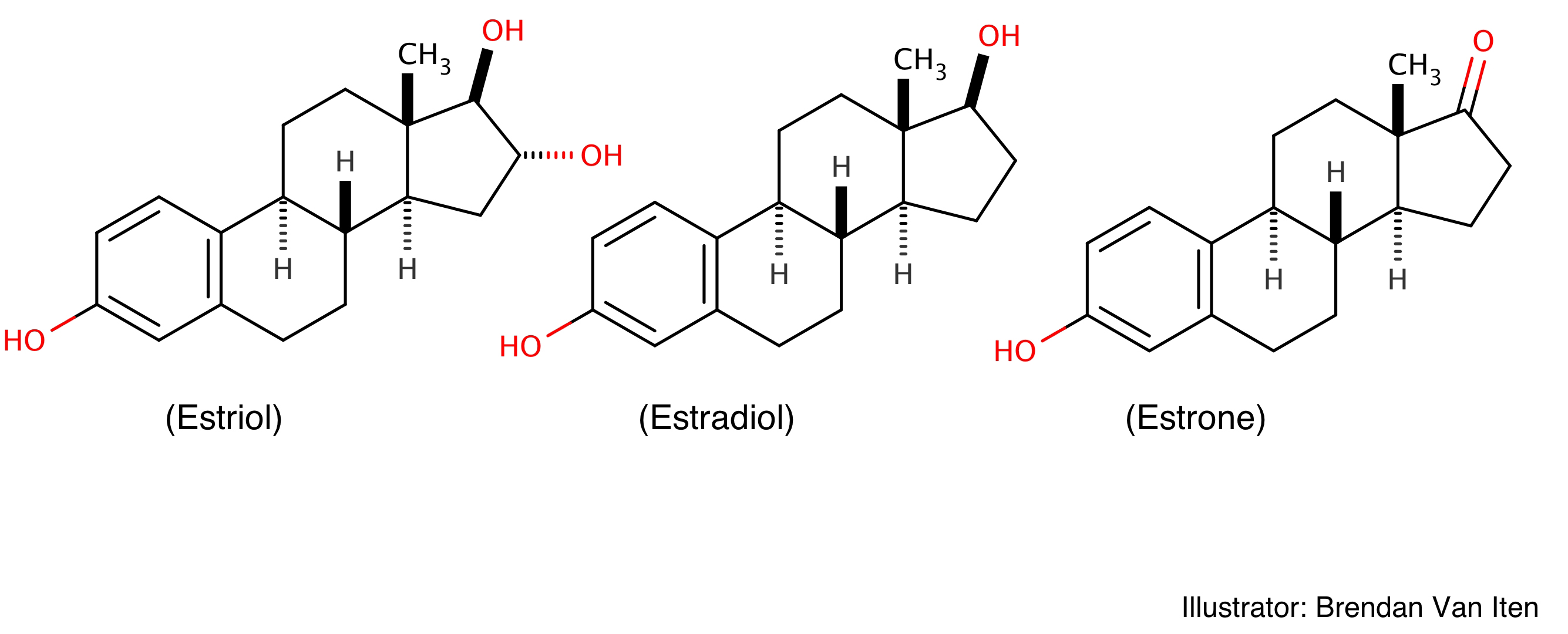
Dimethandrolone undecanoate (DMAU) stands as a prominent hormonal candidate for male oral contraception. Developed by the NICHD, DMAU works by suppressing hormone pathways that regulate sperm production, specifically affecting testosterone and progesterone activity. This mechanism is similar to female hormonal birth control, requiring consistent daily intake to achieve contraceptive levels.
Another leading candidate, NES/T, also in Phase II clinical trials, combines testosterone with segesterone acetate (a progestin). The progestin component shuts down sperm production, while the testosterone maintains normal male sex drive and other functions. Both DMAU and NES/T are designed for long-term, daily administration, not on-demand use.
Male Contraceptive Research

Most people mistakenly believe that a male birth control pill would function like an 'on-demand' drug, similar to Viagra, rather than a hormonal contraceptive requiring consistent, long-term use to alter reproductive physiology.
Why '30 Minutes Before Sex' Is Not the Full Picture
The notion of a male pill working within 30 minutes before sex is fundamentally at odds with how hormonal contraceptives function. Hormonal methods, whether male or female, operate by gradually altering the body's reproductive physiology over days to weeks. They require consistent dosing to reduce sperm count to a level where pregnancy is highly unlikely.
While some media reports have referenced a male contraceptive drug that 'temporarily stops sperm in just 30 minutes' and has been given the go-ahead for further clinical investigation, this refers to a distinct, early-stage, likely non-hormonal approach. This is separate from the leading hormonal pill candidates like DMAU.
A single dose of a hormonal pill before sex would not provide effective contraception because it simply doesn't allow enough time for sperm suppression to occur. Barrier methods like condoms, by contrast, are effective immediately upon correct use.
Male Contraceptive Candidates in Clinical Trials (2026)
2
Hormonal Pills in Phase II (DMAU, NES/T)
1
Non-Hormonal in Clinical Investigation (RISUG)
NICHD, Population Council, Parsemus Foundation via research findings
Where Research Stands in 2026
As of 2026, leading hormonal male contraceptive candidates like DMAU and NES/T are actively undergoing Phase II clinical trials. These trials are crucial for evaluating both their safety and efficacy, with healthy couples relying on them as their primary method of birth control.
Researchers are closely monitoring potential side effects, which have historically included concerns like mood changes and weight gain.
The pathway to market approval is lengthy, involving successful completion of Phase III trials and rigorous regulatory review. This indicates that even the most promising candidates are still years away from public availability. Beyond hormonal pills, other non-hormonal methods are also in development.
RISUG (Reversible Inhibition of Sperm Under Guidance), for example, is an injectable contraceptive developed in India that has completed Phase I and II studies, representing a diverse approach to male contraception.
Hormonal Action
Why This Matters
The persistent misunderstanding surrounding the male birth control pill's mechanism and timeline creates significant public health risks. People expecting an 'on-demand' solution might prematurely abandon other reliable contraception, leading to unintended pregnancies.
The reality is that the most advanced male pill candidates are hormonal, requiring daily commitment, and are still years from market.
This distinction highlights a critical divide in contraceptive research. Developers of daily hormonal pills face the challenge of differentiating their product from existing female options in terms of user convenience and side effect profiles. The real breakthrough, and likely the 'winner' in public interest and funding, will be the non-hormonal, genuinely 'on-demand' male contraceptive.
By 2030, we predict at least one such method, likely a sperm-blocking agent, will have entered Phase III clinical trials, finally offering the immediate action many mistakenly associate with today's research.
The real breakthrough, and likely the 'winner' in public interest and funding, will be the non-hormonal, genuinely 'on-demand' male contraceptive.
What Reddit is saying
r/AskMen leans toward willingness to try a male pill, while r/AskMenOver30 and r/AskWomenNoCensor raise practical doubts about side effects and daily adherence.
So again - sign up for any hormonal male contraceptive available guys :). I’m looking forward to never having to take the pill again. ... Then nope. Just like i dont blame any woman who doesnt take th
Read full discussion →It's now not even dangerous for the male who took the birth control, but for the women who decide to have sex with him. While they might have considered the possibility if it would only cause pro
Read full discussion →You don't have go back under the knife if you decide you do want kids at a later date. Theres a greater level of convenience with a pill ... If it existed and I was sexually active then absolutel
Read full discussion →I’d be surprised if a male birth control pill didn’t have side effects like decreased libido and weight gain just like female hormonal birth control. ... I doubt there'd be an stratospheric chang
Read full discussion →Curated from 8 active threads across r/AskMen, r/TwoXChromosomes, r/AskWomenNoCensor, r/AskMenOver30
Further Reading
Comprehensive overview of male contraceptive methods, both existing and in development.
Exploration of the current state and future prospects of male contraception.
Details on non-hormonal male contraceptive research, including RISUG.
Explains the efficacy timeline for various contraceptive methods.
Sources
- 1.Male contraceptive - Wikipedia
- 2.Is Male Birth Control Finally Coming? – Mother Jones
- 3.Pills, gels and implants: Men may get more contraceptives options as WHO floats new guidelines - The Economic Times
- 4.Scientists developing male birth control pill to take 30 minutes before sex - Newsweek
- 5.Male Contraceptive Research - Parsemus Foundation
- 6.How long does it take for birth control to work?
- 7.A Daily Pill This year, a study revealed men could regularly take a hormone pill called dimethandrolone undecanoate (DMAU) to prevent pregnancy without significant side effects.
Rate this article
Your feedback helps surface the best content
Related articles
Have a question? Get your own article.
Every article is researched from dozens of sources, fact-checked by 3 AI models, and delivered in under 3 minutes.
Triple-Verified — 4 corrections applied across 3 verification stages applied