Why Portuguese House Prices Rose 23% This Year

April 10, 2026 · 7 min read
···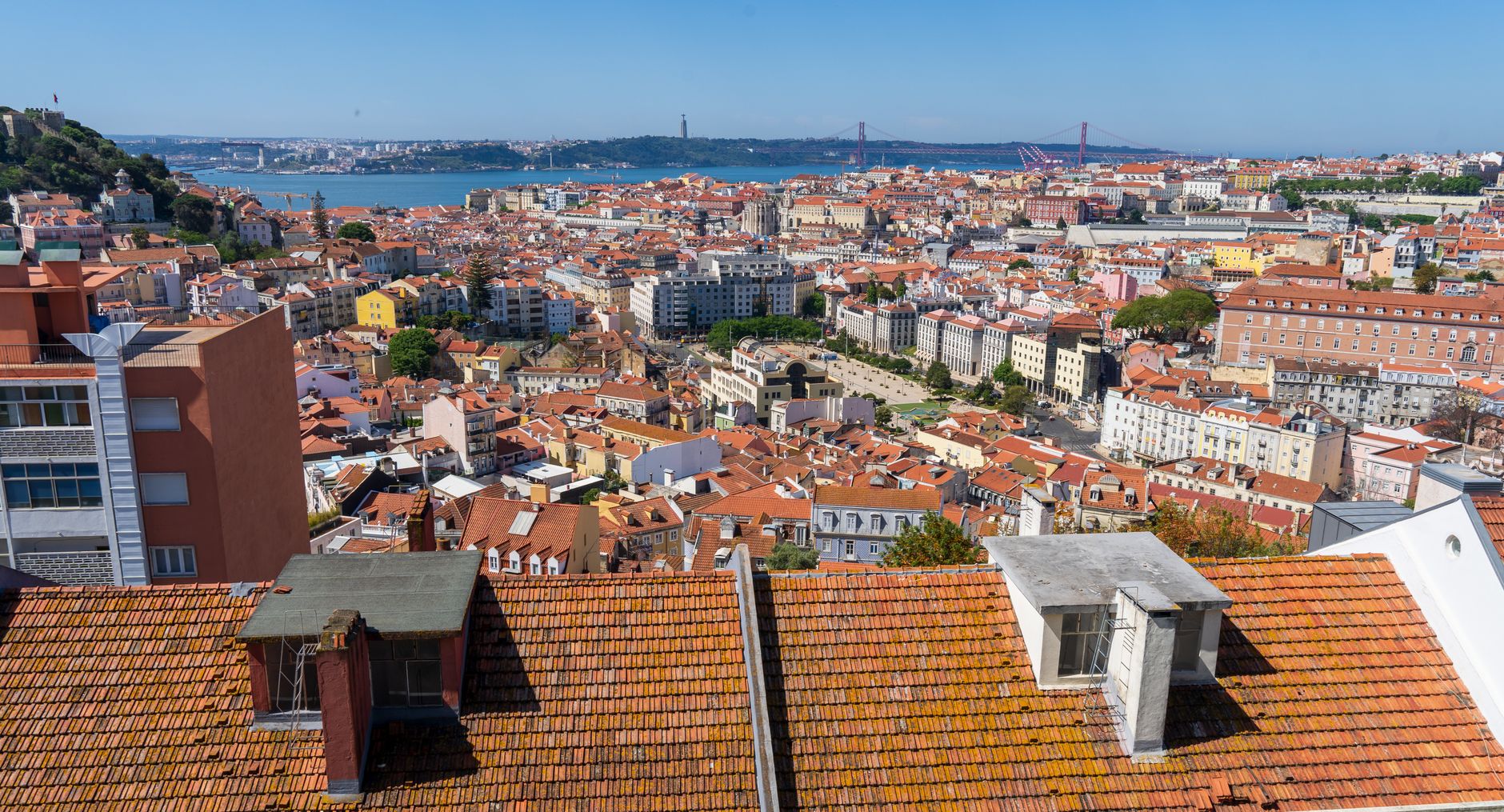
Photo by Gotta Be Worth It on Pexels
- The 23% headline figure is an aggregate, not uniform.
- International demand and limited supply fueled the surge.
- Policy changes and rising rates signal market stabilization.
- Local buyers face an acute affordability crisis.
Portugal's property market has seen significant price increases, with a reported 23% surge in the last year. This growth is primarily concentrated in specific luxury and coastal regions, fueled by strong international demand and chronic housing supply shortages. However, rising interest rates and government policy interventions are now pushing the market towards stabilization, impacting local affordability and future growth trajectories.
Search interest: “Portugal house prices”
vs prior 3 months
The 23% Stat: Unpacking the National Aggregate
Portugal's national house price index jumped 15% from January 2025 to January 2026, according to INE data. But headlines claiming 23% growth tell a different story—one that combines luxury segments with standard residential properties to create an inflated national figure.
The reality: Lisbon's house prices increased by 18.2% in 2025, while northern cities like Braga recorded 11.6% annual growth in March 2026. Coastal properties in the Algarve have also seen significant appreciation, with Faro experiencing a 15% annual increase in March 2026. The 23% figure captures the peaks, not the plateau most Portuguese buyers actually face.
The biggest threat to Portugal's property market isn't a financial crash, but aggressive government policy intervention.
Timeline: How Portugal's Property Market Got Here (2018–2026)
Initial Growth & Golden Visa Impact
Portugal's property market began attracting significant foreign investment, largely driven by the Golden Visa program. This period saw initial price appreciation, particularly in Lisbon and coastal areas, as international buyers sought residency and investment opportunities.
Post-Pandemic Boom & Remote Work Surge
The COVID-19 pandemic accelerated demand. Remote work policies made Portugal an attractive destination for digital nomads and non-EU citizens leveraging the D7 visa program. Historically low European Central Bank (ECB) interest rates further fueled lending and buyer confidence, intensifying the market boom.
Golden Visa Changes & Policy Discussions
The Portuguese government began implementing changes to the Golden Visa program, restricting real estate investment as a pathway to residency. Discussions around rental caps and other housing supply measures emerged, signaling a shift towards addressing local affordability concerns.
Rising ECB Rates & Market Stabilization
The European Central Bank initiated a series of interest rate hikes, impacting mortgage affordability. While property prices remained at historic highs, transaction volumes began stabilizing, and price growth started slowing in previously overheated areas. The national house price index showed a 17.7% year-over-year increase in Q3 2025.
Continued Policy Interventions & New Construction
The Portuguese government set the rent increase cap (NRAU) at 2.24% for 2026, a marginal increase from 2025, reflecting ongoing efforts to manage rental costs. New construction projects are beginning to address chronic supply shortages, particularly in Lisbon and the Algarve, aiming to balance the market.
Most people assume uniform growth, but Portugal's 23% surge is highly concentrated in luxury segments and coastal regions.
The Real Drivers Behind the Boom: Supply, Demand, and Policy
Portugal's property price surge stems from a powerful combination of international demand, structural supply limitations, and historical monetary policy. These factors created an environment ripe for rapid appreciation, particularly in desirable areas.
Post-pandemic remote work policies significantly boosted demand, attracting a wave of international buyers and digital nomads. Programs like the D7 Visa facilitated residency for non-EU citizens, further increasing foreign investment. These buyers often seek stable European assets and long-term lifestyle opportunities, driving up prices in prime locations.
Compounding this demand is a chronic shortage of new construction, especially in high-demand areas like Lisbon and the Algarve. This limited supply, coupled with historically low European Central Bank (ECB) interest rates, fueled lending and made mortgages more accessible, intensifying competition for available properties.
The market's resilience, despite policy changes, underscores these fundamental drivers.
Regional Breakdown: Where the Growth Is (and Isn't)
Portugal's property boom is a tale of two markets. Lisbon and the Algarve are experiencing acute supply shortages with new construction lagging 18 months behind demand. Meanwhile, inland cities like Évora show modest 6-9% annual growth, while Coimbra has seen higher increases, around 10-16%.—healthy but not explosive.
Lisbon's prime neighborhoods—Chiado, Príncipe Real, Santos Design District—command the highest premiums. A two-bedroom apartment that sold for €450,000 in early 2025 now lists for €580,000. The Algarve follows a similar pattern, with coastal properties in Lagos and Tavira seeing the steepest appreciation while inland Algarve towns remain relatively stable.
Lisbon's Historic Charm Attracts Global Buyers

Remote Workers & International Demand: The Foreign Buyer Surge
International buyers, particularly remote workers and those utilizing residency programs, have been a primary catalyst for Portugal's property boom. The appeal of a stable European economy and a desirable lifestyle continues to draw significant foreign capital.
The D7 Visa program, alongside the historical Golden Visa, provided clear pathways for non-EU citizens to establish residency. This influx of foreign capital and demand has disproportionately impacted local affordability. Portuguese citizens, especially first-time buyers and renters, face an acute housing crisis with limited options and rapidly escalating costs.
Investment in the Portuguese property market is rising, driven by international buyers seeking stable European assets and long-term lifestyle opportunities. This sustained foreign interest ensures continued upward pressure on prices in key areas, even as the overall market stabilizes.

Interest Rates, Credit, and Sustainability: The ECB's Influence
The European Central Bank's (ECB) monetary policy has played a critical role in shaping Portugal's property market dynamics. Historically low interest rates fueled a period of inexpensive borrowing, making mortgages highly attractive and stimulating buyer demand.
Recent and potential future ECB rate hikes directly impact mortgage affordability. As Euribor rates rise, the cost of variable-rate mortgages increases, potentially cooling demand and slowing price growth. This shift is a key factor in the market's transition towards stabilization.
While Banco de Portugal's strict lending rules (LTV and DSTI limits) have prevented the risky borrowing typically associated with housing busts, current property prices are stretched compared to historical norms. Further rate increases could test the sustainability of current price-to-income ratios, particularly for local buyers.
Watch Out For: Affordability & Policy Risks
By the end of 2026, average annual property price growth in Portugal will fall below 5%, except for Lisbon's luxury segment.
House Affordability Calculator: Portugal
Estimate your maximum affordable house price and monthly payment based on your income and debts in the current Portuguese market.
$226,916
Max House Price
$867
Estimated Monthly Payment
21%
Front-End DTI Ratio
What Happens Next: Three Scenarios
The Portuguese property market is at a critical juncture, with its future trajectory dependent on a balance of demand, supply, and policy. Three scenarios emerge for the remainder of 2026 and beyond.
Scenario 1: Stabilized Growth. This is the most probable outcome. Transaction volumes are already stabilizing, and price growth is slowing in previously overheated areas. Increased supply from new construction projects, coupled with the full impact of higher ECB interest rates, will likely see average annual property price growth fall below 5% by the end of 2026.
Lisbon's luxury segment, however, may continue to outperform.
Scenario 2: Policy-Induced Cooling. Aggressive government policy intervention, aimed at addressing the affordability crisis, poses the biggest risk. Measures like stricter rental caps beyond the 2.24% set for 2026, or new taxes on foreign ownership, could disproportionately impact foreign investors and existing landlords.
This could lead to a more pronounced slowdown, though a full market crash is unlikely due to Banco de Portugal's strict lending rules.
Scenario 3: Sustained Luxury Appreciation. While the broader market moderates, prime locations in Lisbon and the Algarve will likely maintain higher appreciation. International buyers seeking stable European assets will continue to drive demand for high-end properties, positioning these segments as strategic havens for global capital.
Scenario 2: Policy-Induced Cooling. Aggressive government policy intervention, aimed at addressing the affordability crisis, poses the biggest risk.
What real people think
DividedSourced from Reddit, Twitter/X, and community forums
Online communities and industry experts show a divided sentiment: foreign buyers and digital nomads often perceive Portugal as affordable relative to other Western hubs, while local residents express deep concerns over housing access and the escalating cost of living.
“The real cost difference is often not groceries or cafés, but rent/housing and how much mobility/friction you accept in exchange for lower prices.”
Reddit user, r/digitalnomadRemote workers find Portugal's rent very high, questioning the sustainability of staying in the country for work versus seeking alternatives.
Some users believe house prices in Portugal have risen significantly more than reported, with one user claiming a 58% increase in just two years.
Portugal is noted for having the second-largest annual rise in house prices in Europe, with values up 17.7% in Q3 2025, far exceeding the eurozone average.
Despite rising costs, some digital nomads still find Portugal affordable compared to US standards, particularly outside of Lisbon.
Related discussions
Remote work requires staying in Portugal, but rent is very high. What are the risks and alternatives for working from elsewhere?
r/digitalnomadCost of Living in Portugal close to Lisbon
r/digitalnomadHow much did house prices rise between 2019 and 2024?
r/europePortugal registers the highest increase in housing prices in the European Union
r/europeanunionWhere in Europe Are Housing and Food Prices Rising Faster Than Wages?
r/europeWhat people are saying on X
Most tweets adopt a factual reporting stance; scepticism focuses on overvaluation warnings from the EU and the widening political crisis around housing affordability, with no voices defending the price increases.
Portuguese housing prices have surged 23% this year amid record-breaking quarterly gains, creating a political crisis around affordability. The European Commission warns prices are overvalued by 25% compared to fundamentals, while rapid foreign investment and quick property turnovers signal a speculative market. One tweet appears corrupted and provides no usable content.
Home prices in Portugal posted another record jump in the third quarter, with the deepening housing squeeze fast becoming one of the country’s biggest political flashpoints
The European Commission estimates that the average overvaluation of housing prices in Portugal is higher by around 25%, "surpassing other property markets" in the bloc.
Rising real estate prices in Portugal’s biggest cities are changing the rental market. The Portugal News #Portugal #property #housing #rentalmarket
The median price of the 41,608 residential properties transacted during the second quarter was €2,065 per square metre, 19% higher than in the same period in 2024 and following an 18.7% increase in th...
Curated from 12 recent posts using deliberate viewpoint balancing
Projected 2026 Property Price Growth: National vs. Luxury Lisbon
Unpacked analysis based on market forecasts
Key Portuguese Property Market Statistics (2025-2026)
15%
YoY Price Increase (Jan 2026 vs. Jan 2025)
17.7%
YoY Price Increase (Q3 2025 National Index)
2.24%
2026 Rent Increase Cap (NRAU)
4.5%
Lisbon Luxury Segment Projected Growth (2026)
Investropa, INE, Portugal Homes, World Business Outlook
New Construction Addressing Supply Gaps

Further Reading
Detailed breakdown of current property prices and regional growth forecasts.
Analysis of market risks and strategic choices for buyers in 2026.
Overview of the market, including rent increase regulations and historical data.
Insights into foreign investment drivers and luxury market performance.
Discussion on the social and economic issues arising from rapid property price growth.
Sources
- 1.Portugal House Prices 2026: Averages, Growth Rates & Key Regions
- 2.Housing Prices in Portugal (2026) – Investropa
- 3.Portugal Property Market Precitions for 2026 - Esales Overseas Property
- 4.Portugal's Residential Property Market Analysis 2025
- 5.Is 2026 a good time to buy property in Portugal? – Investropa
- 6.Portugal’s Property Market in 2026 - The Portugal News
- 7.Portugal Property Market Update 2026: Why Investment Is Increasing
- 8.The Portugal Real Estate Outlook for 2026: A Strategic Haven for Global Capital » World Business Outlook
- 9.Portuguese Real Estate Market Shifts Into a New Cycle - European.realestate
- 10.Portugal’s Property Market: Growth Without Balance? - The Portugal News
- 11.Portugal’s Property Market 2026 - Global Appeal and the Growing Affordability - Vernon Real Estate
- 12.Portugal House Prices 2026: Averages, Growth Rates & Key Regions
- 13.Housing prices in Portugal over the last 6 years - A HOUSE IN LISBON
- 14.House Prices in Portugal: How Much Does a Property Cost?
- 15.Average prices of Portugal houses for sale 2025 - My Dolce Casa
- 16.r/digitalnomad on Reddit: Remote work requires staying in Portugal, but rent is very high. What are the risks and alternatives for working from elsewhere?
- 17.r/digitalnomad on Reddit: Cost of Living in Portugal close to Lisbon
- 18.r/europe on Reddit: How much did house prices rise between 2019 and 2024?
- 19.r/europeanunion on Reddit: Portugal registers the highest increase in housing prices in the European Union
- 20.r/europe on Reddit: Where in Europe Are Housing and Food Prices Rising Faster Than Wages?
Rate this article
Your feedback helps surface the best content
Related articles
Have a question? Get your own article.
Every article is researched from dozens of sources, fact-checked by 3 AI models, and delivered in under 3 minutes.
Triple-Verified — 4 corrections applied across 3 verification stages applied