- Headline inflation hit 3.7%, driven by energy.
- Core inflation shows signs of moderation at 2.6%.
- Consumers face persistent high costs.
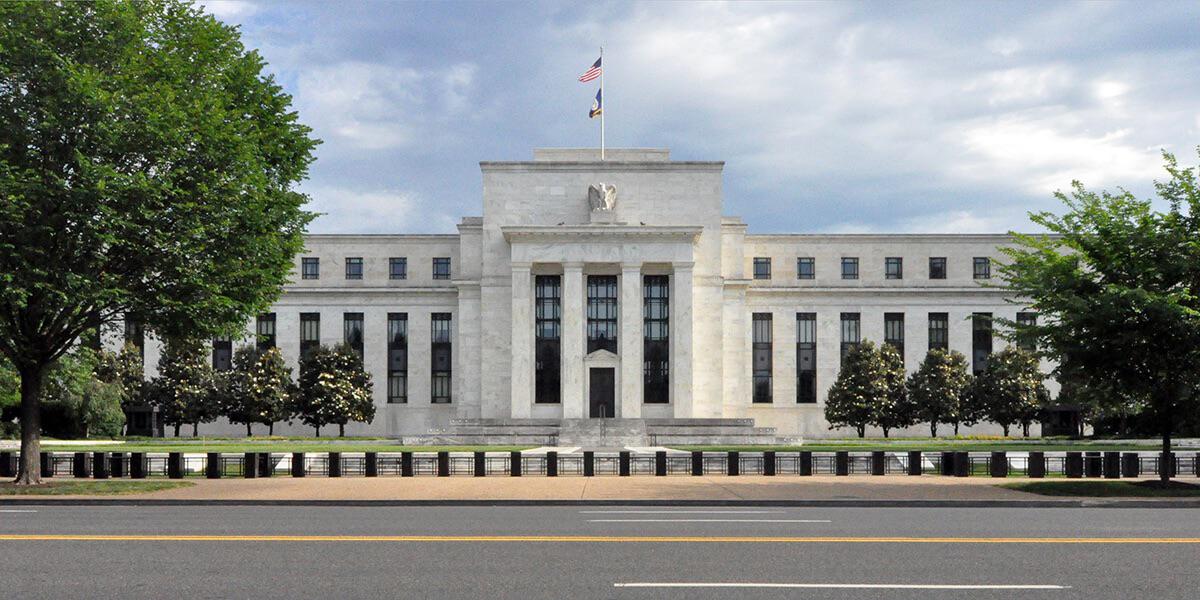
- The Federal Reserve's policy challenge intensifies.
September 2026 CPI Report

Live Market Pulse
Markets reacted swiftly to the September CPI release. The S&P 500 saw a dip, reflecting investor concerns over persistent inflation and potential Fed responses. Public interest in inflation and interest rates, while declining from earlier peaks, remains a significant focus for consumers.
Search interest: “inflation, consumer prices, interest rates”
vs prior 3 months
Despite the Federal Reserve's aggressive rate hikes, global energy markets, not domestic monetary policy, remain the primary determinant of headline inflation.
What You Need to Know: CPI Explained Simply
The Consumer Price Index (CPI) measures the average change over time in the prices paid by urban consumers for a market basket of consumer goods and services. It is a critical indicator for understanding purchasing power and overall economic health. Headline CPI reflects the total inflation rate experienced by households, including volatile categories like food and energy.
Core CPI, however, excludes these fluctuating components, offering a clearer picture of underlying inflationary trends. The Federal Reserve closely monitors Core CPI to guide its monetary policy decisions.
Key Takeaways from the September CPI Report
The September 2026 CPI report delivered a mixed message, with headline inflation accelerating while core measures showed some moderation. This dual narrative complicates the economic outlook for both consumers and policymakers. The Bureau of Labor Statistics confirmed that the annual inflation rate rose to 3.7%.
September 2026 Inflation Snapshot
3.7%
Annual CPI Increase
0.6%
Monthly CPI Increase
2.6%
Annual Core CPI Increase
34.2%
Gasoline Price YoY Increase
U.S. Bureau of Labor Statistics
Many consumers mistakenly believe that a 'moderating' Core CPI directly translates to immediate relief in their everyday expenses, overlooking that essential categories like food and energy continue to exert significant pressure.
Inflation by Sector: Where Prices Are Rising
The September CPI surge was overwhelmingly driven by energy prices. Gasoline, in particular, saw a dramatic year-over-year increase, directly impacting household budgets and transportation costs. This volatility in energy markets continues to overshadow more stable price movements in other sectors.
While Core CPI suggests underlying pressures are tamer, the reality for consumers at the pump or paying utility bills is far different.
Energy Price Impact
34.2%
Gasoline Price Increase (YoY)
U.S. Bureau of Labor Statistics
Fueling Inflation

The Fed's Next Move: Interest Rates and Policy
The Federal Reserve faces a challenging dilemma. While Core CPI's moderation offers some comfort, the persistent rise in headline inflation, fueled by external energy shocks, complicates policy decisions. The Fed is expected to continue its cautious approach, potentially raising the federal funds rate by 25 basis points to a target range of 3.75%-4.00% in September 2026, marking the first hike since 2023.
This move aims to curb demand and bring inflation closer to its target, but its effectiveness against global energy price swings is limited. The central bank must balance the risk of overtightening and triggering a recession against the need to control inflation expectations.
Federal Reserve's Challenge

What This Means for Consumers and Investors
Average households, particularly those with lower incomes, are the primary losers from this report. Their purchasing power is eroded by higher fuel and utility costs, forcing difficult budget adjustments. Energy companies and commodity traders, conversely, are the clear winners, benefiting from the surge in oil and gas prices.
For investors, the report signals continued market volatility. Defensive sectors and companies with strong pricing power may offer some refuge, while growth stocks could face headwinds from higher interest rates. Consumers should prioritize essential spending and seek ways to mitigate energy costs.
Household Budget Pressures

What real people think
DividedSourced from Reddit, Twitter/X, and community forums
Reddit discussions reflect a divided sentiment, with some users focusing on the broader economic implications for investment strategies, while others express concern over the personal impact of rising costs. The report's timing relative to the Fed's next meeting is a recurring theme.
Economists' expectations for the September CPI report were closely watched, particularly the monthly and annual figures for both headline and core inflation.
Many users are tracking the CPI report as a key inflation update that will directly influence the Federal Reserve's upcoming policy meeting.
Concerns about the impact of oil-related prices driving the headline figure higher are prevalent, with some economists warning of further increases.
Some discussions focus on identifying promising stocks and funds in light of current inflation trends, suggesting an investment-oriented perspective.
Related discussions
Economists expect the consumer price index for September to rise 0.6% on the month and 3.6% year over year. Core CPI is forecast to show a 0.2% gain on the month and 2.5% annual increase.
economyThe September CPI report is a key inflation update the Fed will see before its next policy meeting. Here's what economists are saying about the data.
investingWhat people are saying on X
Scepticism about inflation reaccelerating dominates the conversation, with three-quarters of posts highlighting higher-than-expected figures. The remaining posts are neutral, providing context or previews rather than taking a stance on the report's implications.
The September CPI report indicates that inflation reaccelerated, coming in hotter than expected due to surging energy prices, transportation costs, and consumer electronics. Several analysts noted that both headline and core inflation exceeded forecasts, with annual inflation rising to 3.7%. This acceleration is seen as problematic, especially given that expected numbers were already higher than August's figures.
US September CPI: Inflation arrived hot in September on the back of rising energy prices, transportation costs and consumer electronics all combined to drive the CPI 0.6% higher on the month and…
U.S. INFLATION RUNS HOTTER THAN HEADLINE NUMBERS SUGGEST Unrounded September CPI rose 0.649% MoM, beating the 0.58% forecast, while core CPI climbed 0.335% vs. 0.21% expected. Annual inflation r…
US inflation reaccelerates as underlying price pressures persist. US September CPI rose more than expected, driven partly by higher energy prices. Headline inflation accelerated to 3.7% from 3.4%…
Price changes over last year (September CPI report) Fuel Oil: +74.0% Gasoline: +34.2% Gas Utilities: +5.0% Electricity: +4.4% Overall CPI: +3.7% Food away from home: +3.5% Apparel: +3.4% Shelter: +3.2...
Curated from 18 recent posts using deliberate viewpoint balancing
By Q2 2027, the annual headline CPI will fall below 3% only if global oil prices stabilize or decline significantly; otherwise, it will hover stubbornly between 3.5% and 4% for the foreseeable future.
What to Watch
The immediate focus shifts to global energy markets. Any significant geopolitical developments in the Middle East will directly impact oil prices and, consequently, headline CPI. Domestically, watch for the Federal Reserve's next policy meeting announcement, where further interest rate adjustments will be debated.
The Fed's commentary on its dual mandate – managing inflation while supporting employment – will be crucial. Consumers should monitor their energy bills and grocery costs closely, as these will be the most immediate indicators of inflation's ongoing impact.
Investors should track commodity price movements and the yield curve for signals on future economic conditions.
Further Reading
CNBC's full coverage of the latest inflation data and market reactions.
An in-depth look at economist expectations leading up to the report.
Bloomberg's live blog tracking the release and immediate analysis.
Official data and detailed tables from the U.S. Bureau of Labor Statistics.
Sources
- 1.CPI inflation report September 2026
- 2.CPI Home : U.S. Bureau of Labor Statistics
- 3.September CPI Report: What the Inflation Data Could Show | Kiplinger
- 4.September CPI report: What to expect
- 5.Consumer Price Index News Release - 2026 M09 Results
- 6.United States Inflation Rate
- 7.CPI Report Live Updates: High Energy Prices Pushed Inflation to 3.7% in September Ahead of Midterms - The New York Times
- 8.US CPI Report September 2026: Live News on Inflation, Consumer Price Index - Bloomberg
- 9.Inflation Nowcasting
- 10.United States Fed Funds Interest Rate
- 11.September CPI Report: What the Inflation Data Is Expected to Show
- 12.CPI Report Today: Inflation Accelerated to 3.7% in September - Business Insider
- 13.September 2026 CPI report: inflation expected to accelerate
- 14.Consumer Price Data and Measures Explained
- 15.Difference between CPI and Core CPI - Economics Help
Rate this article
Your feedback helps surface the best content
Related articles
Have a question? Get your own article.
Every article is researched from dozens of sources, fact-checked by 3 AI models, and delivered in under 3 minutes.
Triple-Verified — 0 corrections applied across 3 verification stages applied