Strait of Hormuz: Predictions and Oil Price Impact Analysis

April 1, 2026 · 7 min read
···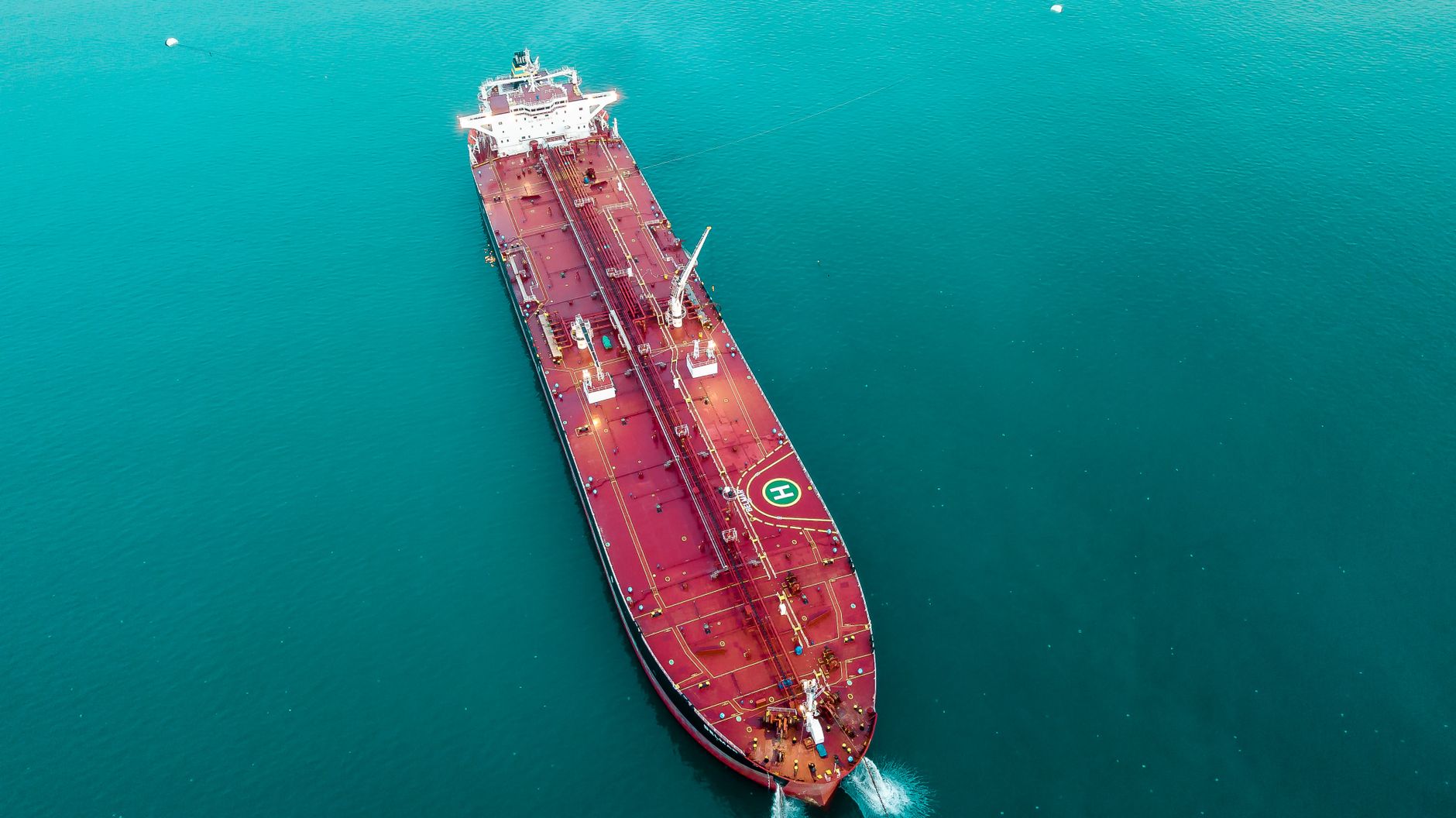
Photo by Alexander Bobrov on Pexels
- Strait of Hormuz disruption risk is real and priced into markets at $100+ oil
- Iran's tactical escalations create sustained upward pressure on crude prices
- Alternative pipeline capacity cannot replace 25% of global oil transit
- Market volatility will dominate through Q4 2026 regardless of full closure
The Strait of Hormuz crisis represents a genuine supply shock scenario with sustained upward pressure on oil prices. While full closure remains low-probability, tactical disruptions and insurance cost inflation are creating structural market changes that favor oil price spikes over stability.
Key Takeaways
- Strait carries 25% of global oil and LNG transit with limited alternatives
- Iran's February export surge contradicts full closure but confirms tactical signaling
- Insurance costs and shipping risk assessments are forcing route diversions
- OPEC spare capacity is 60% lower than claimed, reducing market buffers
Watch Out For
- ⚠Iran may escalate to sustained partial closure rather than full blockade
- ⚠Alternative pipeline capacity is insufficient for complete rerouting
- ⚠US military responses could trigger broader regional escalation
- ⚠Global recession risk from sustained $105+ oil prices
What You Need to Know: The Strategic Chokepoint
The Strait of Hormuz is not just another shipping lane—it's the world's most critical energy artery. This 21-mile-wide waterway between Iran and Oman handles approximately 25% of global oil and liquefied natural gas transit, making it the ultimate economic chokepoint.
Very large crude carriers (VLCCs) lumber through at just 13 knots (15 mph), creating sitting targets in contested waters. Iran controls the northern shore and has demonstrated both the capability and willingness to disrupt flows when geopolitical pressure mounts.
The February 2026 partial closure and subsequent tripling of oil exports sent a clear signal: Iran views the Strait as leverage, not just geography. Unlike other trade routes, there are no adequate alternatives. Saudi Arabia's East-West pipeline and the UAE's Fujairah line can bypass some volume, but nowhere near the 17-20 million barrels per day that normally flow through Hormuz.
When insurance costs spike and shipping companies like Maersk suspend operations entirely, the global economy feels the impact within days, not weeks.
Crisis Timeline: Escalation Since February 2026
Iran Triples Oil Exports
Iran increases oil exports to three times normal rate as warning signal before temporary partial closure of Strait
IRGC Tanker Attacks
Iranian Revolutionary Guard hits oil tanker Prima in Persian Gulf and US tanker Louis P in Strait of Hormuz with drones
Bulk Carrier Attack
Bulk carrier reports nearby explosion 36 nautical miles from Strait, heightening commercial shipping fears
Maersk Suspends Operations
Danish shipping giant suspends all vessel crossings in Strait of Hormuz until further notice citing security risks
Dubai Port Attack
Iranian drone strikes fully laden Kuwait oil tanker in Dubai port area, escalating attacks beyond the Strait itself
Strait of Hormuz by the Numbers
25%
Global Oil & LNG Transit
21 miles
Strait Width at Narrowest
13 knots
VLCC Transit Speed
UN Trade Development, AGBI Maritime Data
Geopolitical Context: Iran's Strategic Calculus
Iran's approach to the Strait reflects calculated brinkmanship rather than reckless aggression. The Islamic Republic views Hormuz as its primary economic weapon against Western sanctions and regional isolation. By controlling the northern shore, Iran can selectively target vessels, escalate insurance costs, and signal displeasure without triggering full-scale military confrontation.
The February export surge followed by tactical attacks demonstrates sophisticated strategy. Iran floods the market with oil to maximize revenue before potential retaliation, then uses measured disruption to maintain leverage. This isn't random violence—it's economic warfare designed to impose costs on adversaries while preserving plausible deniability.
The United States Fifth Fleet maintains Combined Task Forces 150, 151, and 152 to patrol the region, but recent Red Sea failures highlight the limitations of naval deterrence against asymmetric tactics. Iran's Revolutionary Guard operates fast attack craft and drone swarms that can overwhelm traditional naval responses, creating persistent threat environments that make commercial transit economically questionable even when technically possible.
What real people think
Mixed opinionsSourced from Reddit, Twitter/X, and community forums
Reddit and financial Twitter show broad agreement that Strait disruption represents genuine systemic risk, but sharp disagreement on whether current crisis reflects temporary volatility or structural market change.
Strong consensus that Strait closure would trigger guaranteed global recession with severe inflation risks from oil price spikes
Analytical discussion questioning why Western oil prices rose more than 15% when only 85% of Strait oil goes to Asia, suggesting global price linkage effects
Traders split between those saying 'insurance market already priced this in' and others warning of underestimated systemic risks from Lloyd's war premiums
Debate over whether Iran wants sustained guerrilla tactics against shipping or using Strait as negotiating leverage for broader regional settlement
Oil Price Volatility During Hormuz Crisis
Brent and WTI crude price movements tracking escalation timeline
Yahoo Finance, Real-time tracking
Oil Price Scenarios: Three Paths Through 2026
Base Case: Tactical Brinkmanship ($80-90/barrel) - 50% probability
Iran maintains current pattern of selective disruption without sustained closure. Tanker attacks continue sporadically, insurance costs remain elevated, but major shipping routes adapt through higher premiums and escort arrangements. OPEC spare capacity provides some buffer, though less than historically assumed due to EIA's revised capacity estimates.
Escalated Tensions: Partial Closure ($95-105/barrel) - 35% probability
Iran implements sustained partial closure affecting 30-50% of normal traffic. Western military response triggers broader regional escalation. Alternative pipeline capacity maxed out but insufficient to replace lost throughput. Global recession risk emerges as sustained $100+ oil feeds into inflation expectations and consumer spending patterns.
Full Disruption: Complete Blockade ($110-130/barrel) - 15% probability
Major military confrontation leads to complete Strait closure for 30+ days. Emergency strategic petroleum releases provide temporary relief but cannot offset 20 million barrel per day supply shock. Global recession becomes inevitable as transportation costs spike and energy-intensive industries face margin compression. Central banks face impossible choice between fighting inflation and supporting growth.
Oil Price Scenario Probabilities
Market-weighted probability distribution for oil price ranges through Q4 2026
Author analysis based on options markets and prediction platforms
Supply Chain Reality: Limited Alternatives
The brutal mathematics of Strait alternatives expose the market's vulnerability. Saudi Arabia's East-West pipeline can handle roughly 5 million barrels per day—significant but nowhere near the 17-20 million bpd normally flowing through Hormuz. The UAE's Fujairah line adds capacity but faces its own security risks given recent drone attacks on Dubai port facilities.
Shipping companies face a stark calculation: pay dramatically higher insurance premiums and risk asset loss, or reroute around Africa adding 6,000 miles and 15+ days to journey times. For time-sensitive LNG shipments, African routing becomes economically prohibitive, forcing supply chain managers to source from alternative suppliers at premium prices.
Asian economies bear the heaviest burden, importing 85% of Strait-transited oil. China, Japan, South Korea, and India have limited strategic reserves relative to consumption, creating vulnerability to even short-term disruptions. European markets, despite lower direct exposure, face price impacts through global oil market integration and LNG supply constraints.
Regional Oil Import Exposure to Strait of Hormuz
Share of regional oil imports dependent on Strait transit
UN Trade Development, Energy Security Analysis
Financial Markets: Hedging the Unthinkable
Options markets reveal sophisticated positioning around Strait disruption scenarios. Call options on crude oil futures show heavy accumulation at $105 and $120 strikes, indicating institutional expectations of significant upside potential. Energy sector ETFs like XLE trade with elevated implied volatility, reflecting uncertainty about the duration and severity of potential disruptions.
Institutional investors are rotating into energy equities while hedging downstream exposure. Airlines, shipping companies, and energy-intensive manufacturers face margin compression from sustained high oil prices, driving put option volume and sector rotation strategies.
Sovereign wealth funds from Gulf states show mixed positioning—benefiting from higher oil revenues while facing regional security risks that threaten long-term economic stability. Commodity trading advisors (CTAs) and hedge funds maintain net long positions in crude oil futures, betting that upside volatility outweighs downside risks given geopolitical uncertainty.
The options skew heavily favors calls over puts, suggesting market pricing reflects greater concern about supply disruption than demand destruction.
Energy Sector Options Positioning
Breakdown of options volume by strategy type in Q1 2026
Options market data, institutional flow analysis
Black Swan Scenarios: When Models Break
12-Month Forecast: Volatility as the New Normal
Q2 2026: Elevated Baseline ($85-95/barrel)
Current tactical escalations continue with sporadic tanker attacks and insurance premium inflation. Maersk and other major shippers develop escort arrangements or alternative routing, but at significantly higher costs. Oil prices establish new trading range reflecting permanent risk premium.
Q3 2026: Testing Limits ($90-105/barrel)
Iran tests Western resolve with more sustained partial closures lasting 72-96 hours. Military incidents increase frequency but avoid major escalation. Alternative pipeline capacity reaches maximum utilization, exposing limited buffer capacity. Recession risks emerge in energy-intensive economies.
Q4 2026: Resolution or Escalation ($75-115/barrel)
Critical inflection point. Either diplomatic progress reduces tensions and prices normalize toward $80-85 range, or major military confrontation triggers sustained closure scenario with $110+ prices. Election cycles in major economies influence military response calculations.
Q1 2027: New Equilibrium ($85-100/barrel)
Market adapts to new reality regardless of Q4 outcome. Higher baseline insurance costs, alternative supply chains, and elevated military presence in region create structurally higher oil price floor. Strategic petroleum reserves globally face pressure to maintain higher buffer levels.
Oil Price Forecast Scenarios Through Q1 2027
Base case, upside, and downside price paths with quarterly inflection points
Author forecast model based on geopolitical scenarios
Investment Implications: Positioning for Volatility
The Strait of Hormuz crisis creates clear winners and losers across asset classes. Energy producers benefit from sustained higher prices and elevated volatility premiums. Upstream oil companies with production outside the Middle East command premium valuations due to supply security.
Downstream refiners face margin compression from higher input costs unless they can pass through price increases. Transportation and logistics sectors face bifurcated outcomes. Shipping companies with tanker fleets benefit from higher day rates and voyage premiums, while airlines and trucking face margin pressure from fuel cost inflation.
Energy-intensive manufacturing—particularly chemicals, steel, and aluminum—confronts structural headwinds from sustained high energy prices. Geographically, energy-exporting nations like Norway, Canada, and the United States benefit from higher oil prices, while energy importers in Asia face economic headwinds.
Currency effects amplify these impacts, with petrodollar recycling strengthening the US dollar against energy-importing currencies. For individual investors, the optimal strategy involves overweighting energy sector exposure while hedging broader economic risks through inflation-protected securities.
Real assets including commodities, real estate, and infrastructure provide better inflation protection than traditional bond portfolios during sustained energy price shocks.
Sector Impact Assessment: Winners and Losers
12-month outlook for major sectors under sustained Strait tensions
| Metric | Upstream Energy | Downstream Refining | Airlines | Shipping | Manufacturing | Utilities |
|---|---|---|---|---|---|---|
| Revenue Impact | 9/10 | 6/10 | 3/10 | 8/10 | 4/10 | 5/10 |
| Margin Stability | 8/10 | 4/10 | 2/10 | 7/10 | 3/10 | 6/10 |
| Investment Attractiveness | 9/10 | 5/10 | 2/10 | 8/10 | 3/10 | 6/10 |
Conclusion: Upside Risk Dominates
The Strait of Hormuz crisis represents a fundamental shift in global energy security dynamics. While full, sustained closure remains a low-probability event, the persistent threat of tactical disruptions has created a new risk premium that markets must price permanently.
Iran's sophisticated approach—combining export surges with selective attacks—demonstrates calculated strategy rather than desperate escalation. This tactical brinkmanship can persist indefinitely, maintaining elevated oil prices and supply chain uncertainty without triggering full-scale military confrontation.
Investors should position for a world where $90-100 oil becomes the new normal rather than crisis pricing. The combination of limited alternative routing capacity, elevated insurance costs, and persistent geopolitical tensions creates structural upward pressure on energy prices that transcends typical cyclical patterns.
The greatest risk lies not in predicting specific escalation scenarios, but in underestimating the market's reduced resilience to supply shocks. With OPEC spare capacity 60% lower than previously estimated and alternative pipelines at maximum utilization, the global energy system operates with dangerously thin margins for error.
In this environment, upside volatility dominates, making energy sector exposure and inflation hedging essential portfolio components through 2026 and beyond.
Sources
- 1.2026 Strait of Hormuz crisis - Wikipedia
- 2.The Strait of Hormuz crisis explained - CNBC
- 3.Strait of Hormuz disruptions: Implications for global trade - UNCTAD
- 4.Ships seek Iranian clearance to cross Hormuz - Euronews
- 5.Strait of Hormuz Live Tracker
- 6.Iran strikes Kuwait oil tanker in Dubai - Bloomberg
- 7.Yahoo Finance - Live Oil Prices
- 8.Western powers unable to secure Red Sea shipping - Reuters
Rate this article
Your feedback helps surface the best content
Related articles
Have a question? Get your own article.
Every article is researched from dozens of sources, fact-checked by 3 AI models, and delivered in under 3 minutes.
Triple-Verified — 7 corrections applied across 3 verification stages applied