Tesla Roadster With Rocket Thrusters: Hype or EV Future?
October 17, 2026 · 4 min read
···
- A groundbreaking engineering feat, redefining EV performance.
- Primarily a high-impact marketing spectacle for Tesla.
- Niche, ultra-luxury innovation, not a mainstream EV future.
- Limited by cost, regulation, and real-world utility.
The Controversial Take: Spectacle Over Scalability
The 'rocket thruster' Roadster, despite its undeniable technical prowess, is less about advancing practical EV technology for the masses and more about solidifying Tesla's brand as an engineering outlier, leveraging spectacle over scalable innovation.
What You Need to Know: Unpacking the Roadster's 'Rocket Thrusters'
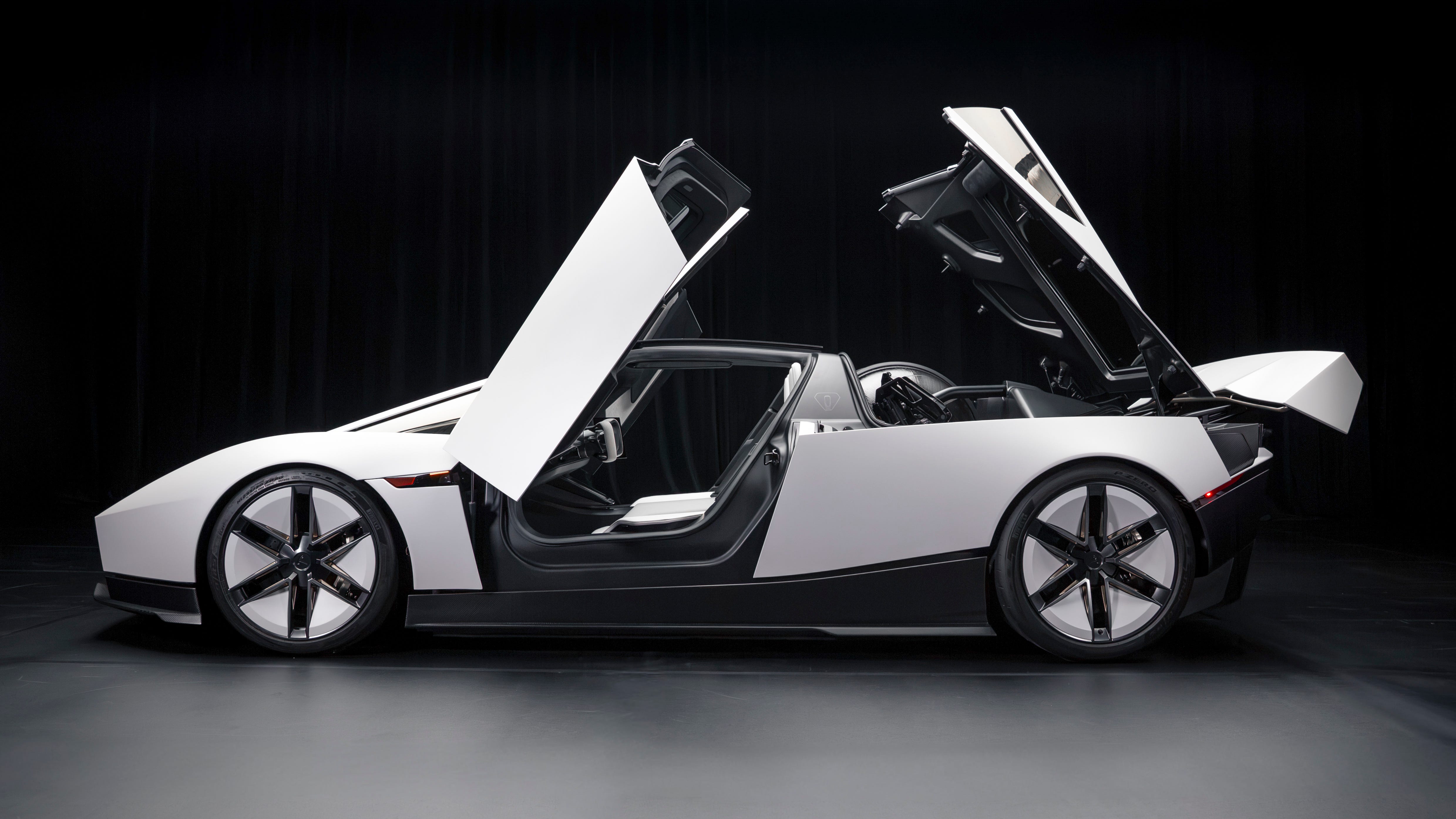
Tesla's long-awaited Roadster finally debuted on October 15, 2026, at SpaceX’s test site in McGregor, Texas. This reveal showcased the optional 'SpaceX Package,' featuring what Elon Musk first teased in 2019: cold-gas thrusters.
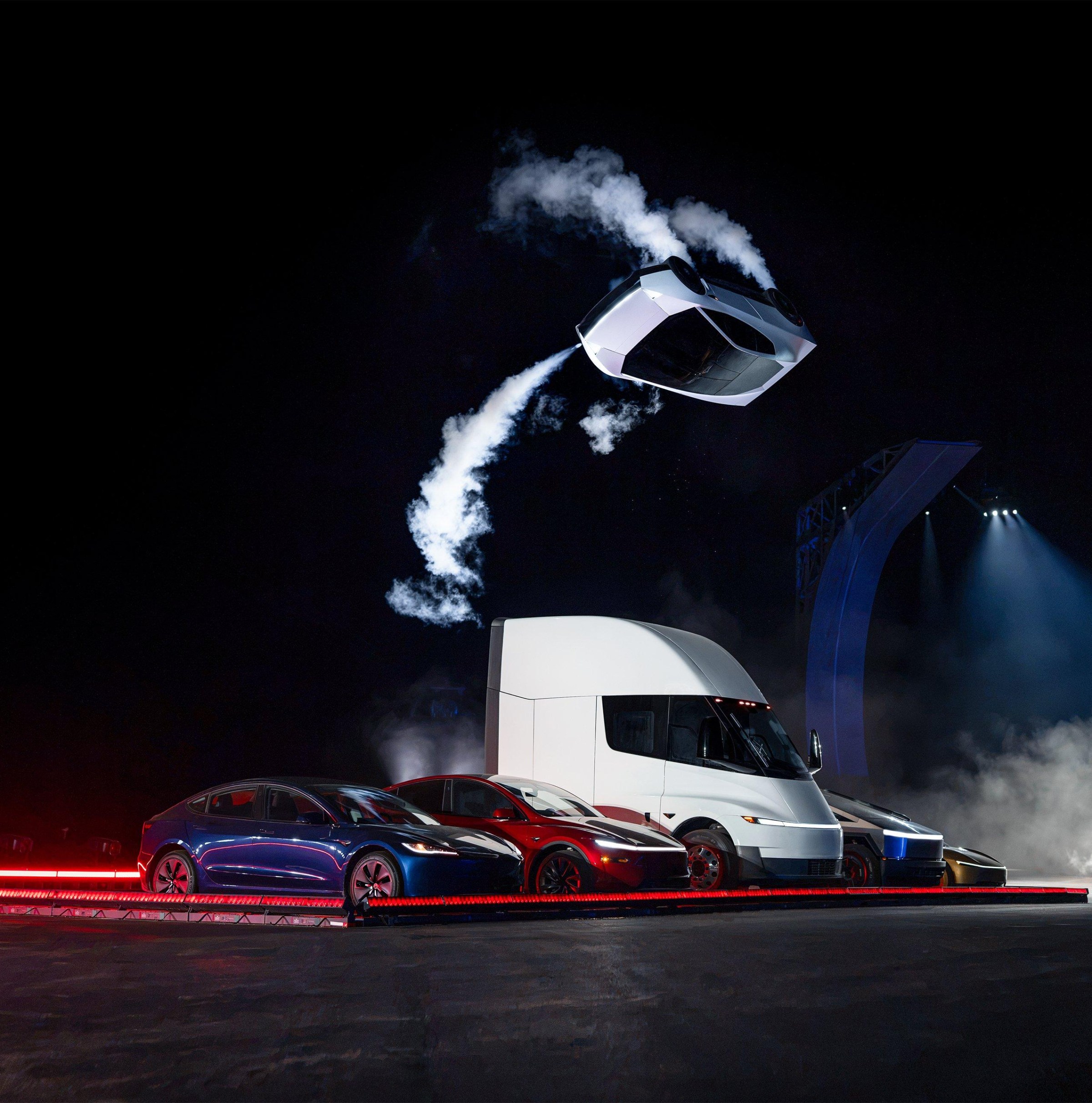
The demonstration was a physical flight, not a digital effect, with the car launching off a ramp, flipping, and landing. This system is central to the Roadster's headline performance claim: 0-60 mph in an astonishing 0.81 seconds. The event cemented the Roadster as a significant talking point in the high-performance EV space.
Most people misunderstand the 'rocket thruster' system as a literal propulsion method for sustained flight, when in reality it's a cold-gas thruster system designed for extreme acceleration and minor, temporary altitude adjustments, primarily for demonstration purposes.
The Misunderstanding: Not a Literal Rocket
The term 'rocket thruster' often conjures images of sustained flight or literal rocket propulsion. In reality, the Roadster's system is a cold-gas thruster setup. It's designed for bursts of extreme acceleration, enhanced braking, and minor, temporary altitude adjustments, primarily for controlled demonstrations rather than continuous aerial travel.
The Engineering Reality: How the SpaceX Package Works
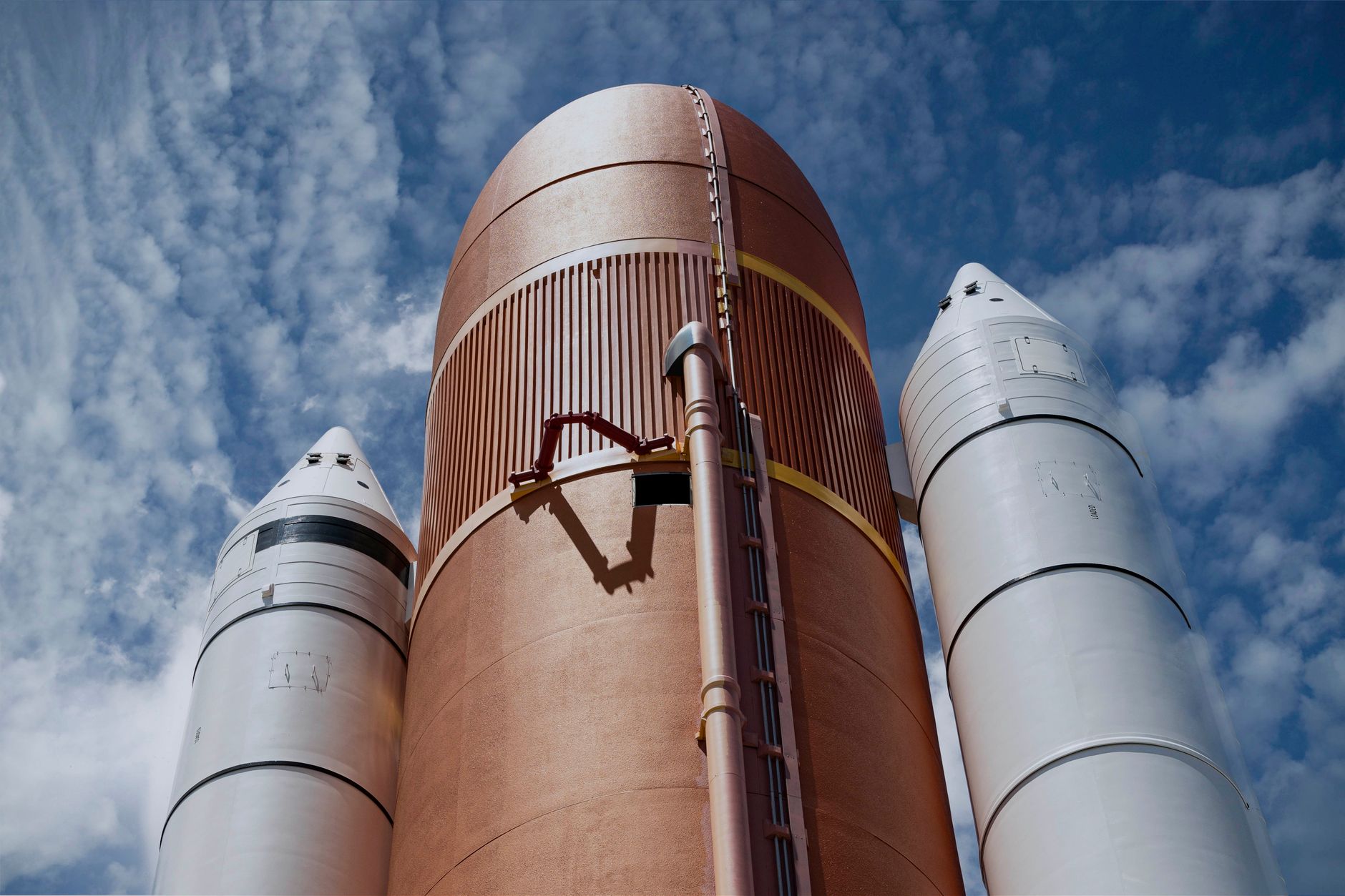
The SpaceX Package employs a cold-gas thruster system, distinct from combustion-based rockets. Engineering VP Lars Moravy confirmed the Roadster uses 10 thrusters connected to 600 liters of compressed air. These thrusters produce over 80 kilonewtons of force.
Their primary function is to enhance acceleration, braking, and cornering, providing unprecedented control and speed. While capable of brief, temporary 'flight' during demonstrations, this is not sustained hovering. The compressed air tank is rechargeable, ensuring repeated use of the system.
This technology pushes far beyond conventional EV performance, like the Porsche Taycan's 2.5-second 0-60 mph.
Roadster Thruster System at a Glance
0.81 seconds
0-60 mph (SpaceX Package)
1,340 HP
Roadster Horsepower
10
Cold-Gas Thrusters
600 Liters
Compressed Air Capacity
Twitter/X, DriveSpark
What real people think
Mixed opinionsSourced from Reddit, Twitter/X, and community forums
Online communities express a mix of awe and excitement for the Roadster's innovation, tempered by significant skepticism regarding its practicality, legality, and the true definition of 'flying' for public road use.
Many users are impressed by the engineering feat, acknowledging Tesla's ability to push boundaries, even if the feature seems excessive.
Skepticism abounds regarding the practicality and legality of using such thrusters on public roads, with questions about regulatory approval and safety.
There's a strong desire for the car, even if deemed 'unnecessary,' highlighting its appeal as a luxury status symbol and technological marvel.
Discussions focus on the technical details provided by Lars Moravy, confirming the 10 thrusters and 600 liters of compressed air, validating the physical demonstration.
What Reddit is saying
r/teslamotors shows a mix of excitement and skepticism regarding the Roadster's thrusters, while r/electricvehicles remains neutral, focusing on technical possibilities.
So yea...buyable like a track car is buyable. And you might need an FAA license before you can 'fly' it. ... It has zero FFA approval so you can’t even fly it legally. ... Go rewatch the str
Read full discussion →For the people downvoting the "flying car" posts about the new Tesla Roadster, be aware that it is likely real (albeit for very short bursts), using compressed-gas thrusters like the ones us
Read full discussion →The thrusters don't have to be legal or illegal. Tesla will just simply disable them entirely unless the car is at a private track/not on public roads.
Read full discussion →Kyle Conner found this setup at the McGregor venue before the unveil and is asking if it's how the Roadster's thrusters get recharged. Posted on X by @itskyleconner ... Roadster is here!!! .
Read full discussion →Curated from 8 active threads across r/teslamotors, r/electricvehicles
What people are saying on X
The overwhelming majority of posts express support and excitement for the Tesla Roadster and its rocket thrusters, with no sceptical viewpoints found in this set. A quarter of the posts are neutral, not directly addressing the Roadster.
The prevailing sentiment around the Tesla Roadster with rocket thrusters is one of excitement and anticipation for its futuristic capabilities. Details about the thruster system, including the use of Carbon Fiber Overwrapped Pressure Vessels for compressed gas storage, and the car's 'air ready' Rocket version are being discussed. There's also confirmation of a 2028 production start, F1-level downforce from new wings, and impressive acceleration claims.
How it works: - Every usable void in the car is packed with Carbon Fiber Overwrapped Pressure Vessels, or COPVs - More compressed gas on board means more thruster run time - The thruster system makes...
SpaceX has used thrusters to position spacecraft for decades. Making them work in a vehicle instead of a vacuum took all-new hardware & controls....
Here are the trim levels for @Tesla’s next-gen Roadster: • Performance: $50k deposit • Thrust: $250k deposit • Rocket: Invite Only Production starts in 2028. Final/total prices TBD.
The thrusters use compressed air stored in high-pressure tanks. Tesla has discussed recharging the air tanks while driving, although detailed recharge times and repeated-use limits haven't been publis...
Curated from 18 recent posts using deliberate viewpoint balancing
By 2030, while other hypercar manufacturers may experiment with similar extreme performance enhancements, no major automotive brand will integrate cold-gas thruster technology into production vehicles beyond a handful of ultra-limited, track-focused editions due to regulatory hurdles and prohibitive costs.
Roadster's Thruster Demonstration
Beyond the Hype: Performance Implications and Use Cases
The Roadster's thruster system offers genuine performance advantages beyond mere spectacle. The ability to achieve sub-one-second 0-60 mph times, enhance braking, and improve cornering control is a significant leap. This technology is best suited for extreme performance driving, likely on closed tracks or controlled environments.
Regulatory hurdles for public road use are immense. A temporary flight restriction was even reported around the McGregor test site for the demonstration. Integrating such a system into everyday vehicles faces challenges related to safety, public perception, and the sheer complexity of obtaining approvals from bodies like the FAA for any form of 'altitude control'.

The Wider Impact: Pushing EV Boundaries
Tesla benefits significantly by cementing its image as an innovation leader, attracting ultra-wealthy buyers and maintaining its 'engineering outlier' brand. This audacious move pressures traditional luxury and performance EV manufacturers to innovate, potentially losing market share in the extreme performance segment if they cannot match Tesla's claims.
While the thrusters themselves won't be mainstream, the pursuit of such extreme performance pushes battery technology, motor efficiency, and chassis dynamics to new limits. These advancements will eventually trickle down, influencing future EV design, even if the thrusters remain a hypercar exclusive.
0-60 mph Acceleration: Roadster vs. Competitor
Twitter/X, Edmunds
Verdict: Hype or Future?
The Tesla Roadster's 'rocket thruster' package is a groundbreaking engineering marvel and a powerful marketing statement. It pushes the absolute limits of EV performance, demonstrating what's technically possible. However, it represents a niche, ultra-high-performance future for EVs, not a mainstream one.
Its practical application and widespread adoption are severely limited by prohibitive costs, complex regulatory hurdles, and questionable real-world utility for the average driver. It's a technological flex, not a blueprint for mass-market transportation.
What to Watch
The immediate focus shifts to regulatory bodies. Watch for any official statements from aviation or automotive safety authorities regarding the legality and safety of thruster-equipped vehicles on public roads. Competitor responses will be key; will other hypercar manufacturers attempt similar extreme performance features, or will they focus on more conventional advancements? Pay close attention to the final pricing of the SpaceX Package, as this will dictate its exclusivity.
Finally, monitor Tesla's production timeline for the Roadster, which Musk stated would enter production in 2028, to see if these ambitious features make it to consumer models as promised.
Further Reading
A deep dive into the technical specifications and force generation of the Roadster's thruster system.
Examines the regulatory challenges and lack of FAA approval for the Roadster's 'flight' capabilities.
A compilation of global reactions and expert opinions following the Roadster's reveal and demonstration.
Yahoo Finance's take on the Roadster's reveal, focusing on the compressed air system and its implications.
Sources
- 1.Tesla reveals SpaceX-powered Roadster that flies and falls with style | TechCrunch
- 2.Tesla Roadster Revealed With SpaceX Rocket Thrusters- 0-60mph In 0.81 Seconds, Can Also Fly
- 3.Tesla Roadster Flight Tech: 80kN Thrust Explained [2026]
- 4.Tesla Roadster flies: How SpaceX thrusters power the new EV
- 5.Revealed! New Tesla Roadster Takes Flight and Does Barrel Rolls with the Help of SpaceX Thrusters
- 6.Tesla Roadster’s 10 Thrusters, Zero FAA Approval [2026]
- 7.Tesla's new flying Roadster did exactly what Elon Musk said it would in a post 8 years ago
- 8.SpaceX thrusters just made a Tesla Roadster 'fly' (and Elon Musk's car is still out there in space) | Space
- 9.'Well, it worked': Elon Musk unveils new Tesla Roadster that can fly | Euronews
- 10.The World Reacts to Elon Musk's Flying Car - Business Insider
- 11.Elon Musk reveals ‘world’s first flying car’ at Tesla event | Tesla | The Guardian
- 12.'Something extraordinary': Tesla Roadster wows with compressed air thrusters for limited flight
- 13.Tesla Roadster finally revealed with rocket thrusters, sub-one-second acceleration and ability to fly - Drive Tesla
- 14.Tesla Roadster 2026: Specs, Rocket Flight, Price and 0–60
- 15.Tesla Flying Car 2026 | Roadster Price, Speed, Thrusters, Flight Capability & Key Facts - The World Data
- 16.2026 Porsche Taycan Prices, Reviews, and Pictures | Edmunds
Rate this article
Your feedback helps surface the best content
Related articles
Have a question? Get your own article.
Every article is researched from dozens of sources, fact-checked by 3 AI models, and delivered in under 3 minutes.
Triple-Verified — 15 claims checked across 2 verification stages — 15 claims verified