Trump-Iran Ceasefire: Latest Updates & Public Reaction

April 8, 2026 · 11 min read
··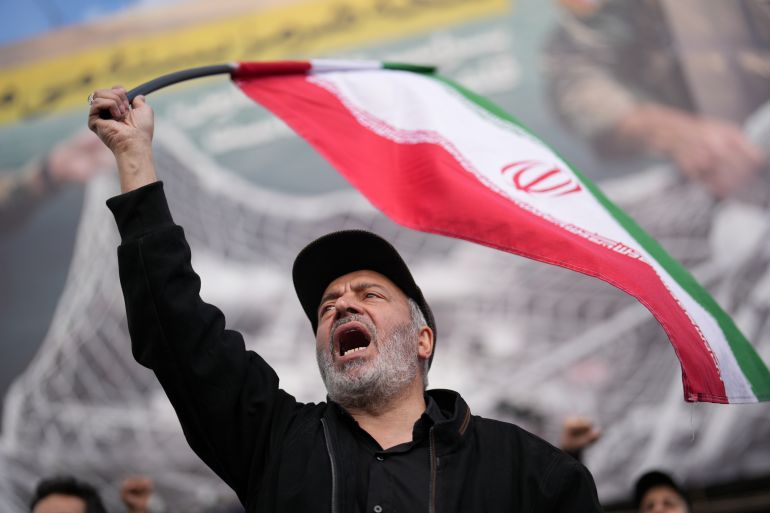
Photo by Werner Pfennig on Pexels
- Trump and Iran agreed to a fragile two-week ceasefire Tuesday evening
- Pakistan's last-minute mediation averted imminent U.S. military action
- Both sides claim victory while disagreeing on actual ceasefire terms
- Markets rallied but experts warn of deep trust deficit threatening durability
President Trump announced a two-week ceasefire with Iran Tuesday evening, just hours before his 8 p.m. deadline for military action. The deal, brokered by Pakistan, requires Iran to reopen the Strait of Hormuz while the U.S. and Israel suspend bombing. However, both sides are claiming victory while interpreting the terms differently, making this more of a tactical pause than genuine peace.
What You Need to Know
Trump and Iran announced a ceasefire Tuesday night—but they're not actually agreeing to the same terms. Trump claims the U.S. has "already met and exceeded all Military objectives" and is treating this as a military victory. Iran presented a comprehensive 10-point proposal and is framing this as a diplomatic win.
This fundamental misalignment means the two-week pause is more likely a prelude to renewed conflict than genuine peace. Pakistan's Prime Minister Shehbaz Sharif and Field Marshal Asim Munir directly mediated the last-minute agreement, pulling both sides back from what Trump had threatened would be Iran's "annihilation."
Despite claims of military objectives being met, the ceasefire is a tacit admission that Trump's 'maximum pressure' campaign pushed the region to the brink of an unwinnable conflict.
What Just Happened: A Timeline of Last-Minute Diplomacy
8 p.m. Tuesday: Deadline Reached - Trump's ultimatum for Iran to reopen the Strait of Hormuz expired. U.S. military assets were positioned for massive strikes on Iranian infrastructure that Trump had warned would lead to "annihilation."
Pakistan's Emergency Intervention - Prime Minister Shehbaz Sharif and Field Marshal Asim Munir conducted direct shuttle diplomacy in the final hours, establishing separate communication channels with both sides.
Ceasefire Announced - Within hours of the deadline, both sides announced a two-week ceasefire with Iran agreeing to reopen the Strait of Hormuz and the U.S. and Israel suspending bombing operations.
Crisis Timeline: From Escalation to Ceasefire
Trump Sets 8 p.m. Deadline
President Trump issues ultimatum for Iran to reopen Strait of Hormuz or face 'devastating' military action
Pakistan's Emergency Intervention
PM Shehbaz Sharif and Field Marshal Asim Munir contact Trump requesting halt to planned attacks
Ceasefire Announced
Trump announces two-week ceasefire conditional on Iran reopening Strait of Hormuz
Iran Accepts Terms
Iran's Supreme National Security Council accepts ceasefire and presents 10-point proposal
Market Response
Oil prices plunge 15%, stock markets surge on reduced geopolitical risk
What We Know vs. What's Still Unclear
The ceasefire announcement has created more questions than it answered, with significant gaps between what's been confirmed and what remains dangerously ambiguous.
Confirmed Facts:
• Duration: Exactly two weeks from Tuesday evening's announcement
Many believe the ceasefire signifies genuine de-escalation, when it's actually a tactical pause where both sides are regrouping and re-evaluating.
Ceasefire by the Numbers
14 days
Ceasefire Duration
10 points
Iran's Proposal Terms
8 p.m.
Original Deadline
Source: Research findings and Yahoo Finance
Market & Economic Reaction: A Brief Reprieve
Global markets responded with dramatic relief to the ceasefire announcement, but the reaction reveals just how close the world came to economic catastrophe.
Oil Market Collapse
: Crude oil futures plummeted 14.82% to $96.21 per barrel, erasing weeks of war-premium pricing in a single session. The dramatic sell-off reflects how much of the recent price surge was purely based on supply disruption fears from potential Strait of Hormuz closure.
Equity Market Surge
: Stock futures jumped across global markets as investors rushed back into risk assets. Energy sector stocks, which had been among the biggest beneficiaries of rising oil prices, saw the sharpest reversals.
Currency Adjustments
: Safe-haven currencies like the Swiss Franc and Japanese Yen weakened as investors rotated back toward higher-yielding assets. The dollar strengthened on reduced geopolitical risk.
Expert Analysis
: Pratibha Thaker, regional director for Africa and the Middle East at the Economist Intelligence Unit, described the ceasefire as "a huge relief" while warning that "a significant lack of trust on both sides will complicate upcoming negotiations." What markets are essentially pricing in is short-term relief without long-term confidence. The violence of the oil price move—both up during the crisis and down after the ceasefire—demonstrates how fragile global energy security has become. If negotiations collapse in two weeks, expect an even more dramatic reversal.
Energy sector stocks, which had been among the biggest beneficiaries of rising oil prices, saw the sharpest reversals.
Oil Price Volatility During Crisis
Crude oil price movements showing the dramatic impact of geopolitical tensions
Source: Yahoo Finance
Community Reaction: Twitter & Reddit's Divided Skepticism
Public reaction across social media platforms reveals deep skepticism about the ceasefire's durability, with users expressing more concern about what happens next than relief about the immediate pause.
Reddit's Geopolitical Analysis
: The most insightful discussion has emerged on r/geopolitics, where users immediately identified the core problem: "Trump and Iran Declared a Ceasefire. They Did Not Agree to the Same Terms." This observation has become central to community analysis. Users are particularly focused on the fundamental mismatch between Iran's 10-point proposal (including sanctions relief and reconstruction) and Trump's simple demand for Strait reopening. As one highly upvoted comment noted: "It's a two week temporary ceasefire... neither side agreed to full terms, they are negotiating those terms." Critical Perspectives: The harshest criticism has centered on Trump's role in creating the crisis: "Trump just lost a war HE started. This entire thing is his fault... The war isn't over, it's a two week ceasefire that hopefully sees an acceptable solution before it ends." Another recurring theme questions the sustainability: "Yeah, with a statement like this I feel the ceasefire will be VERY short lived. It's like two schoolyard bullies on a playground, seeing who can piss the furthest." Strategic Skepticism: Users on r/PoliticalDiscussion are asking fundamental questions: "Why did Iran accept a ceasefire?" The consensus appears to be that Iran achieved significant leverage by controlling the Strait and wanted to negotiate from a position of strength rather than absorb devastating attacks. One particularly insightful comment captured the broader concern: "We've entered the perpetual '2 weeks' era of the Iran War while Iran enjoys more geopolitical power of controlling the Strait." Twitter/X Reaction: Twitter discourse has been more fragmented but equally skeptical, with users sharing concerns about the lack of clear terms and the precedent this sets for future conflicts. The platform's real-time nature has amplified both relief and anxiety about what the next two weeks hold.
What real people think
DividedSourced from Reddit, Twitter/X, and community forums
Communities are split between immediate relief and deep skepticism about long-term sustainability, with widespread agreement that fundamental issues remain unresolved.
Most users immediately identified that both sides declared a ceasefire without agreeing to the same terms, focusing on the mismatch between Iran's 10-point proposal and Trump's conditions
Community questioning Iran's motivations for accepting the ceasefire, with theory that Iran negotiated from position of strength after controlling the Strait
Users expressing relief about avoiding immediate war while criticizing Trump for creating the crisis in the first place
Fragmented reactions ranging from celebration to dire warnings about the temporary nature of the pause
Expert Analysis: What This Means for the Region
Foreign policy experts are viewing the ceasefire through a lens of cautious pragmatism, recognizing both the immediate success in averting catastrophe and the deeper structural problems it exposes.
The Trust Deficit Problem
: The most significant impediment to any lasting agreement is what Pratibha Thaker of the Economist Intelligence Unit calls "a significant lack of trust on both sides." This isn't just diplomatic rhetoric—it's reflected in how each side is interpreting and presenting the ceasefire terms. Trump is framing the pause as validation of his "maximum pressure" approach, claiming military objectives have been met. Iran is treating it as a diplomatic victory, having presented comprehensive demands that go far beyond what Trump publicly agreed to. These fundamentally different narratives make genuine negotiation extremely difficult.
Pakistan's Strategic Win
: The biggest winner in this episode may be Pakistan, which has emerged as the indispensable mediator between two nuclear powers. Prime Minister Shehbaz Sharif and Field Marshal Asim Munir's successful intervention demonstrates Pakistan's unique position in regional security architecture. Pakistan's leverage likely stems from its relationships with both sides: military cooperation with the U.S. in Afghanistan and economic partnerships with Iran. More importantly, Pakistan understood that a U.S.-Iran war would devastate the entire region, making their intervention both strategic and necessary.
Iran's 10-Point Gambit
: Iran's comprehensive proposal reveals sophisticated diplomatic thinking. By presenting demands for sanctions relief, regional conflict resolution, and reconstruction protocols, Iran is essentially saying: "If you want long-term peace, address the underlying issues that created this crisis." This puts Trump in a difficult position. He can't agree to sanctions relief without appearing to reward Iranian behavior, but he can't achieve lasting peace without addressing Iran's core concerns. The 10-point proposal essentially calls Trump's bluff about wanting genuine resolution versus temporary tactical advantage.
Israel's Complicating Factor
: Reports suggest Israel views the ceasefire as applying only to direct U.S.-Iran conflict, not broader regional operations including Lebanon. If accurate, this creates a massive loophole that could unravel the entire agreement. Iran's 10-point proposal specifically calls for ending "conflicts in the region," which would presumably include Israeli operations.
Pakistan's Strategic Win: The biggest winner in this episode may be Pakistan, which has emerged as the indispensable mediator between two nuclear powers.
Critical Risks to Watch
Pakistan emerges as the clear diplomatic winner while the prospect of long-term Middle East stability suffers the biggest loss.
What Happens Next: Key Signals to Watch
The next two weeks will determine whether this ceasefire becomes a foundation for lasting peace or merely a temporary pause before renewed escalation. Here are the critical indicators that will signal which direction events are heading.
Signals of Potential Success:
• Alignment on Terms: Public statements from both sides that acknowledge and address the discrepancies between Trump's conditions and Iran's 10-point proposal
Pakistan's Continued Role
: Watch for whether Pakistan remains engaged as a mediator or steps back once the immediate crisis passes. Pakistan's ongoing involvement may be essential for any extended negotiations.
Market Indicators
: Oil price stability will serve as a real-time confidence indicator. Significant volatility in either direction will signal how seriously markets take the negotiation prospects.
Potential Scenarios: Oil Price Projections
Market scenarios based on different ceasefire outcomes over the next month
Source: Analysis based on historical geopolitical crisis patterns
Within three months, the 'definitive Agreement' will fail to materialize, leading to a breakdown and return to heightened rhetoric and proxy conflicts.
The Broader Implications: A Precedent for Crisis Management
This ceasefire sets several precedents that will shape how future U.S.-Iran crises are managed, not all of them positive.
Third-Party Mediation as Essential
: Pakistan's successful intervention demonstrates that direct U.S.-Iran communication channels have essentially broken down. Future crises may require similar third-party mediators, making regional powers like Pakistan, Turkey, or even China critical players in preventing escalation.
Ultimatum Diplomacy's Limits
: Trump's "maximum pressure" approach brought the region to the brink of war but ultimately required diplomatic retreat. This may embolden Iran in future confrontations, knowing that the U.S. will face domestic and international pressure to avoid full-scale conflict.
Market-Driven Peace Pressure
: The dramatic oil price movements during this crisis demonstrate how economic consequences can force diplomatic solutions. Future U.S.-Iran tensions will occur with all parties acutely aware of the global economic stakes.
Victory Narrative Competition
: Both sides claiming victory while accepting a ceasefire creates a template for future face-saving arrangements. However, it also means underlying issues remain unresolved, making repeated crises more likely.
Regional Power Dynamics
: Iran's successful use of Strait of Hormuz closure as leverage, combined with Pakistan's mediating role, suggests a shift toward more complex, multipolar crisis management in the Middle East. The U.S. can no longer expect to dictate terms unilaterally.
Israel's Wild Card Role
: The apparent exclusion of Israeli operations from the ceasefire scope creates a dangerous precedent where regional conflicts can continue even during U.S.-Iran diplomatic pauses. This fragmentation makes comprehensive peace agreements more difficult to achieve.
Comparing Stated Positions
How each side's public positions align or conflict on key ceasefire elements
| Metric | Trump's Position | Iran's Stated Terms | Actual Agreement |
|---|---|---|---|
| Strait of Hormuz | 10/10 | 8/10 | 9/10 |
| Sanctions Relief | 2/10 | 10/10 | 4/10 |
| Regional Conflicts | 3/10 | 9/10 | 5/10 |
| Reconstruction Aid | 1/10 | 8/10 | 2/10 |
| Military Action Halt | 9/10 | 7/10 | 8/10 |
Historical Context: Why This Feels Familiar
This ceasefire bears uncomfortable similarities to previous U.S.-Iran diplomatic pauses that ultimately failed to produce lasting agreements.
The Pattern
: Escalation to crisis point, third-party intervention, temporary agreement with conflicting interpretations, gradual breakdown as underlying issues resurface. This cycle has repeated multiple times since 1979, with each iteration becoming more complex as regional power dynamics shift.
Different This Time
: The involvement of Pakistan as a nuclear-armed mediator adds a new dimension. Previous interventions came from European allies or international organizations. Pakistan's unique position—maintaining relationships with both the U.S. and Iran while having its own nuclear capabilities—creates different incentive structures.
Economic Stakes
: The global economic integration that makes Strait of Hormuz closure so devastating also creates more pressure for resolution than existed in previous crises. This could work in favor of peace, but also makes future Iranian leverage more potent.
Domestic Politics
: Trump's political position—facing potential electoral consequences for prolonged conflict—may provide more incentive for genuine resolution than previous administrations. However, it also makes him vulnerable to claims of weakness if he makes significant concessions.
Regional Complexity
: Unlike previous crises that were primarily bilateral, this conflict involves multiple regional players (Israel, Saudi Arabia, proxy forces) whose interests may not align with U.S.-Iran peace efforts.
Regional Stakeholder Positions
How different regional powers view the ceasefire outcome
Source: Analysis of public statements and diplomatic positions
The Economic Dimension: Beyond Oil Prices
While oil market reactions dominated headlines, the ceasefire's economic implications extend far beyond energy prices.
Global Supply Chain Relief
: The Strait of Hormuz carries roughly 20% of global oil shipments and significant liquefied natural gas exports. Its potential closure threatened supply chains already stressed by previous geopolitical tensions. The ceasefire provides breathing room for companies to reassess their exposure to Middle Eastern supply routes.
Defense Contractor Impact
: Companies supplying military hardware to the region saw mixed reactions. While immediate war demand disappeared, the underlying tensions suggest continued defense spending. Lockheed Martin, Raytheon, and Boeing all saw volatile trading as investors tried to price in long-term regional instability.
Regional Economic Development
: Iran's 10-point proposal includes reconstruction and development aid, suggesting potential for significant economic cooperation if negotiations succeed. However, existing sanctions frameworks make such cooperation extremely complex to implement.
Currency and Trade Flows
: The ceasefire has stabilized regional currencies and trade relationships. Countries like the UAE and Qatar, which serve as regional financial hubs, saw immediate capital inflows as investors regained confidence in regional stability.
Insurance and Shipping
: Maritime insurance rates for Persian Gulf transits, which had spiked during the crisis, began normalizing. However, insurers remain wary of the temporary nature of the agreement.
Long-term Investment Climate
: The most significant economic question is whether this crisis resolution model—brinkmanship followed by third-party mediated pauses—creates sufficient certainty for long-term regional investment. Early indicators suggest investors remain cautious about commitments extending beyond the two-week ceasefire window.
Economic Sectors Most Affected by Ceasefire
Relative impact of the crisis resolution on different economic sectors
Source: Market analysis of sector volatility during crisis period
Looking Ahead: The Two-Week Test
The success or failure of this ceasefire will likely be determined not by grand diplomatic breakthroughs, but by how well both sides manage the small details and daily interactions over the next fourteen days.
Operational Challenges
: Reopening the Strait of Hormuz isn't just a political decision—it requires coordination of naval assets, civilian shipping, and international maritime authorities. Any incident or misunderstanding during this process could provide an excuse for either side to claim violations.
Communication Management
: Both Trump and Iranian leadership will face domestic pressure to demonstrate strength during the ceasefire period. Managing public statements to avoid inflammatory rhetoric while maintaining credibility with their respective bases will require careful diplomatic choreography.
Third-Party Expectations
: Pakistan's successful mediation has created expectations that they will continue to play an active role. However, Pakistan has its own interests and limitations. If negotiations stall, Pakistan may not be willing or able to invest the same level of diplomatic capital in future interventions.
Israel's Shadow Role
: The ambiguity around Israeli operations during the ceasefire period represents perhaps the greatest risk to the agreement's stability. Any significant Israeli action that Iran considers a violation of the regional peace component could provide Tehran with justification to abandon the entire framework.
Economic Momentum
: Markets have priced in optimism about the ceasefire's success. If negotiations show no progress by day 10, expect to see oil prices begin rising again as traders position for potential breakdown.
The Domestic Political Clock
: Trump's electoral considerations may create pressure for visible progress before the two-week window closes. This could lead to premature announcements of agreement on issues that haven't been fully resolved, creating additional instability. Ultimately, this ceasefire represents both the best and worst of crisis diplomacy: it successfully averted immediate catastrophe while failing to address any of the underlying issues that created the crisis. The next two weeks will reveal whether that temporary success can be transformed into something more durable, or whether it merely delayed an inevitable reckoning.
Further Reading
Detailed community discussion on the conflicting interpretations of ceasefire terms
Comprehensive analysis of economic impacts and market reactions
Real-time coverage of commodity market reactions and global economic implications
Detailed reporting on the diplomatic process and key players involved
Community analysis of Iran's decision-making and strategic calculations
In-depth reporting on the ceasefire terms, stakeholder reactions, and regional implications
Sources
- 1.Trump announces Iran ceasefire ahead of 8 p.m. deadline - POLITICO
- 2.US and Iran agree to provisional ceasefire - The Guardian
- 3.US, Iran to pause war, agree to 2-week ceasefire - Axios
- 4.Oil prices plunge and stocks jump after ceasefire - The Guardian
- 5.A fragile U.S.-Iran ceasefire sparks market relief - CNBC
- 6.r/geopolitics - Trump and Iran Declared a Ceasefire
Rate this article
Your feedback helps surface the best content
Related articles
Have a question? Get your own article.
Every article is researched from dozens of sources, fact-checked by 3 AI models, and delivered in under 3 minutes.