Trump Iran Ceasefire: Collapse Risk

April 9, 2026 · 5 min read
···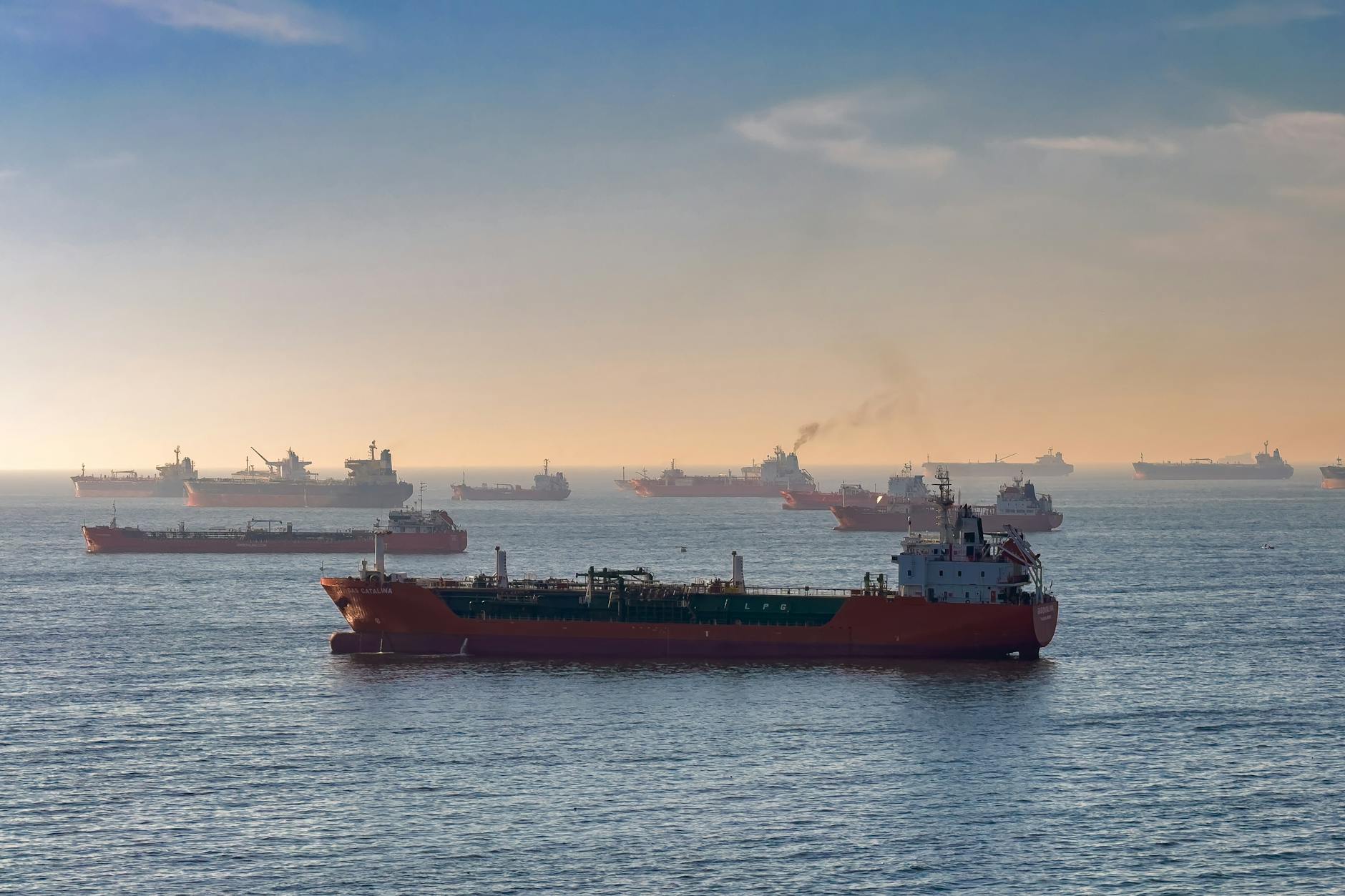
Photo by İrfan Simsar on Pexels
- The US-Iran ceasefire is highly unstable and temporary.
- Market indicators already price in a significant collapse risk.
- It's a tactical pause, not a genuine de-escalation effort.
- Internal Iranian divisions are the primary threat to its survival.
Trump's eleventh-hour, two-week ceasefire with Iran is highly unstable, lacking an official agreement text and plagued by conflicting terms. Market indicators, including surging oil prices and skeptical Polymarket odds, already price in a significant risk of collapse within its initial window, signaling a tactical pause rather than genuine de-escalation.
The primary threat to the US-Iran ceasefire comes not from external actors, but from internal sabotage by Iran's own hardline factions.
What You Need to Know: The Deal's Hidden Weaknesses
Iran's Ceasefire Is Already Falling Apart
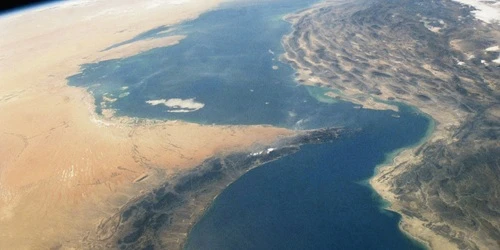
Trump announced the Iran ceasefire on Truth Social — not through official diplomatic channels. No formal agreement text exists. Abu Dhabi's state oil chief contradicts the deal's core term, saying the Strait of Hormuz is 'not open' despite the ceasefire requiring its reopening.
When key parties dispute basic facts within hours, the deal is doomed. This isn't diplomacy; it's theater with a two-week expiration date.
Strait of Hormuz
Most observers mistakenly believe the ceasefire is a genuine step towards de-escalation; in reality, it's a tactical, conditional pause.
Trump's Unpredictability: The X Factor
Donald Trump has a well-documented history of unilaterally withdrawing from international agreements, most notably the Joint Comprehensive Plan of Action (JCPOA) with Iran. This precedent fosters deep skepticism about the durability of any deal he brokers.
The ceasefire serves a clear domestic political agenda for Trump, allowing him to avoid a pre-election conflict and present himself as a dealmaker. This transactional approach prioritizes short-term political gains over long-term diplomatic stability.
The agreement was announced barely an hour before Trump's stated "deadline to obliterate," highlighting his aggressive, high-stakes negotiation style. Community sentiment, particularly on platforms like Reddit, reflects widespread doubt about the ceasefire's longevity. Many observers believe Trump could weaponize the deal for political leverage, further eroding trust and increasing instability.
Iran's Internal Divide: Hardliners vs. Pragmatists
Iranian President Masoud Pezeshkian has publicly accused senior Islamic Revolutionary Guard Corps (IRGC) commanders of actively undermining ceasefire efforts. This direct accusation reveals deep internal divisions within Iran's leadership regarding de-escalation.
Hardline factions, including the IRGC and Basij militia, hold an ideological opposition to any rapprochement with the United States. Hardline factions, including the IRGC and Basij militia, hold an ideological opposition to any rapprochement with the United States, and have been involved in protests and suppression efforts.
This internal resistance poses a significant risk of Iranian rejection or sabotage from within, independent of US actions. Such internal pressures could lead to a unilateral abrogation of the ceasefire by hardline elements. Historically, past negotiation rounds between the US and Iran have often seen military tensions escalate mid-process, suggesting a pattern of internal forces pushing for conflict over diplomacy.
IRGC Basij Militia Protest

The Proxy War Problem: Houthis, Hezbollah, and Militias
The current ceasefire agreement does not directly address the actions of Iranian-backed non-state actors, such as the Houthis in Yemen or Hezbollah in Lebanon. These groups operate with varying degrees of autonomy, making it difficult to guarantee their compliance with a US-Iran de-escalation.
There is a significant potential for these militias to act independently or provocatively, triggering escalation despite any formal ceasefire. Their actions could easily be perceived as a breach, leading to retaliatory strikes.
Precedents from conflicts in Syria and Yemen demonstrate how proxy actions frequently complicate and undermine broader de-escalation efforts. The lack of clarity on how Red Sea attacks, often attributed to Houthi forces, fit into the ceasefire terms is a major vulnerability. Any continued attacks in the Red Sea could quickly unravel the fragile truce.
Market Reality Check: Oil Prices and Polymarket Odds
Markets Are Betting Against the Ceasefire
Oil traders aren't buying Trump's peace theater. Brent crude futures show continued volatility pricing, reflecting zero confidence in lasting de-escalation. Energy markets have seen this playbook before — temporary announcements followed by rapid escalation.
The smart money is hedging against Strait of Hormuz disruptions, not celebrating diplomatic breakthroughs. When markets ignore a 'ceasefire,' it's because they expect it to collapse.
Key Market Indicators
Near $100/barrel
Brent Crude Price
$97.43
WTI Crude Price (May 26)
High
Ceasefire Collapse Odds (Polymarket)
Yahoo Finance, Brave research
The US-Iran ceasefire will officially collapse within its initial two-week window, leading to an immediate spike in Brent crude prices above $100/barrel.
What Happens If It Collapses: Escalation Scenarios
A collapse of the ceasefire would likely trigger immediate military responses from the US, potentially including targeted strikes against Iranian assets or naval confrontations. The US would almost certainly re-impose or tighten existing oil sanctions, further crippling Iran's economy. This economic pressure could, in turn, provoke more aggressive Iranian actions.
The risk of a Strait of Hormuz blockade would escalate significantly, posing a severe threat to global oil supplies and the world economy. Such a move would have immediate and far-reaching consequences. A breakdown of the ceasefire would also intensify the broader regional war risk, exacerbating existing Israel-Iran tensions and potentially drawing in other regional actors.
Historical patterns show military escalation often accompanies failed diplomatic efforts, making this a high-probability outcome.
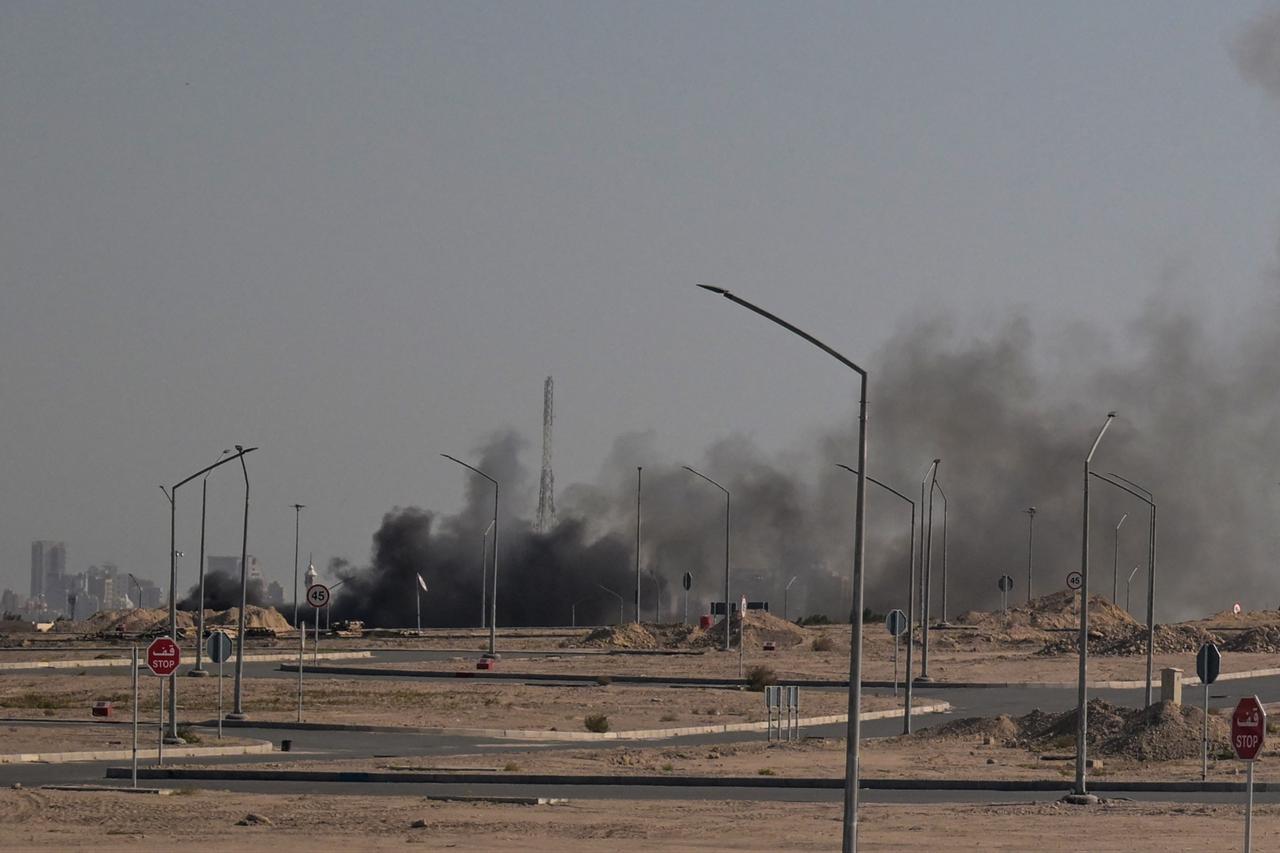
Kuwait Petroleum Corporation Attack
Short-term oil speculators betting on volatility will benefit from the ceasefire's instability, while regional stability and diplomatic efforts for lasting peace will be the primary losers.
What to Watch: The 90-Day Critical Window
The Two-Week Countdown Starts Now
The ceasefire's initial window — reportedly lasting two weeks — is make-or-break time. Watch for IRGC military operations during this period; any continued activity signals internal sabotage. Monitor actual shipping traffic through the Strait of Hormuz, not just official claims.
Tehran's response to Trump's '10-point plan' will reveal whether Iran's government can control its hardline factions. Without clear verification mechanisms, this 'agreement' is just a pause before the next escalation.
Verdict
The two-week US-Iran ceasefire is a temporary pause, not a peace accord. Its collapse within the initial window is highly probable, driven by internal Iranian sabotage, Trump's transactional approach, and the inherent contradictions of the agreement. Investors should brace for renewed volatility and escalation, as this truce offers no foundation for lasting peace.
What people are saying on X
Sceptics and supporters are nearly evenly split, with critics emphasizing the brevity of the two-week window, Iranian hardliner opposition, and fundamental doubts about whether either side will honor the terms.
Trump administration officials and media outlets confirm a two-week ceasefire between the US and Iran contingent on reopening the Strait of Hormuz, framed as ending a brief but serious conflict. Iran's leadership claims victory, citing use of their framework in negotiations, while hardliners express deep reservations about the deal's durability and view it retrospectively as a strategic mistake.
On the assumption that everything works as it should, which it will, I would like to congratulate both Countries, Israel and Iran, on having the Stamina, Courage, and Intelligence to end, what should...
After promising to destroy Iran, Trump agrees to a “TACO Tuesday” two-week ceasefire.
BREAKING: US President Trump agrees to 2-week ceasefire provided Iran agrees, too, to re-open the Strait of Hormuz. “This will be a double side ceasefire,” he says.
BREAKING: President Trump agreed to a ceasefire and to "suspend the bombing and attack of Iran" for two weeks, contingent on the reopening of the Strait of Hormuz.
Curated from 12 recent posts using deliberate viewpoint balancing
Further Reading
Details the proposed Iranian plan and its potential for agreement.
Analyzes the announced terms and immediate future implications.
Explores the internal Iranian political dynamics opposing the ceasefire.
Covers President Pezeshkian's public statements on IRGC sabotage.
Provides historical context on Trump's past actions regarding Iran agreements.
Sources
- 1.Explainer: What is in Iran’s 10-point ceasefire plan and will the US agree to it? | US-Israel war on Iran | The Guardian
- 2.US-Iran ceasefire deal: What are the terms, and what’s next? | US-Israel war on Iran News | Al Jazeera
- 3.US and Iran agree to provisional ceasefire as Tehran says it will reopen strait of Hormuz | US-Israel war on Iran | The Guardian
- 4.As U.S. and Iran agree to a ceasefire, what's actually in the deal — and will it last?
- 5.Trump announces Iran ceasefire ahead of 8 p.m. deadline - POLITICO
- 6.Live Updates: President Trump vows 'positive action' as ceasefire agreement with Iran reached | Fox News Digital
- 7.Why ceasefire deal with US has unsettled Iran's hardliners — https://www.bbc.com/news/articles/c5ywpe2yyg3o
- 8.Report: Iran's president accuses IRGC commanders of undermining ceasefire efforts — https://www.ynetnews.com/article/rk3308z2zg
- 9.Pezeshkian Accuses IRGC of Wrecking Iran Ceasefire — https://houseofsaud.com/pezeshkian-accused-irgc-commanders-ceasefire-enforceability/
- 10.Pezeshkian Vs IRGC On Iran’s Ceasefire Negotiations With US? Exclusive From Intel Note | World News - News18 — https://www.news18.com/world/pezeshkian-vs-irgc-on-irans-ceasefire-negotiations-with-us-exclusive-from-intel-note-ws-l-10019509.html
- 11.Iran war ceasefire begins, though some new attacks hit Gulf; Trump and Netanyahu say Lebanon not included in ceasefire — https://www.nbcnews.com/world/iran/live-blog/live-updates-iran-war-ceasefire-trump-hormuz-israel-lebanon-rcna267205
- 12.Middle East ceasefire threatens to unravel as Israel assaults Lebanon and Iran blocks oil tankers | US-Israel war on Iran | The Guardian
- 13.United States withdrawal from the Iran nuclear deal - Wikipedia
- 14.What was in the Iran nuclear deal and why did Trump withdraw the US from it? - ABC News
- 15.President Donald J. Trump is Ending United States Participation in an Unacceptable Iran Deal – The White House
Rate this article
Your feedback helps surface the best content
Related articles
Have a question? Get your own article.
Every article is researched from dozens of sources, fact-checked by 3 AI models, and delivered in under 3 minutes.
Triple-Verified — 2 corrections applied across 3 verification stages applied