Trump's Iran Ceasefire: A Precarious Pause, Not Peace

April 8, 2026 · 4 min read
···
- Two-week ceasefire is a tactical pause, not a peace treaty.
- Success hinges on Iran's verifiable Strait of Hormuz access.
- Regional tensions remain high, evidenced by post-announcement missile alerts.
- Long-term peace by end of 2026 is highly unlikely.
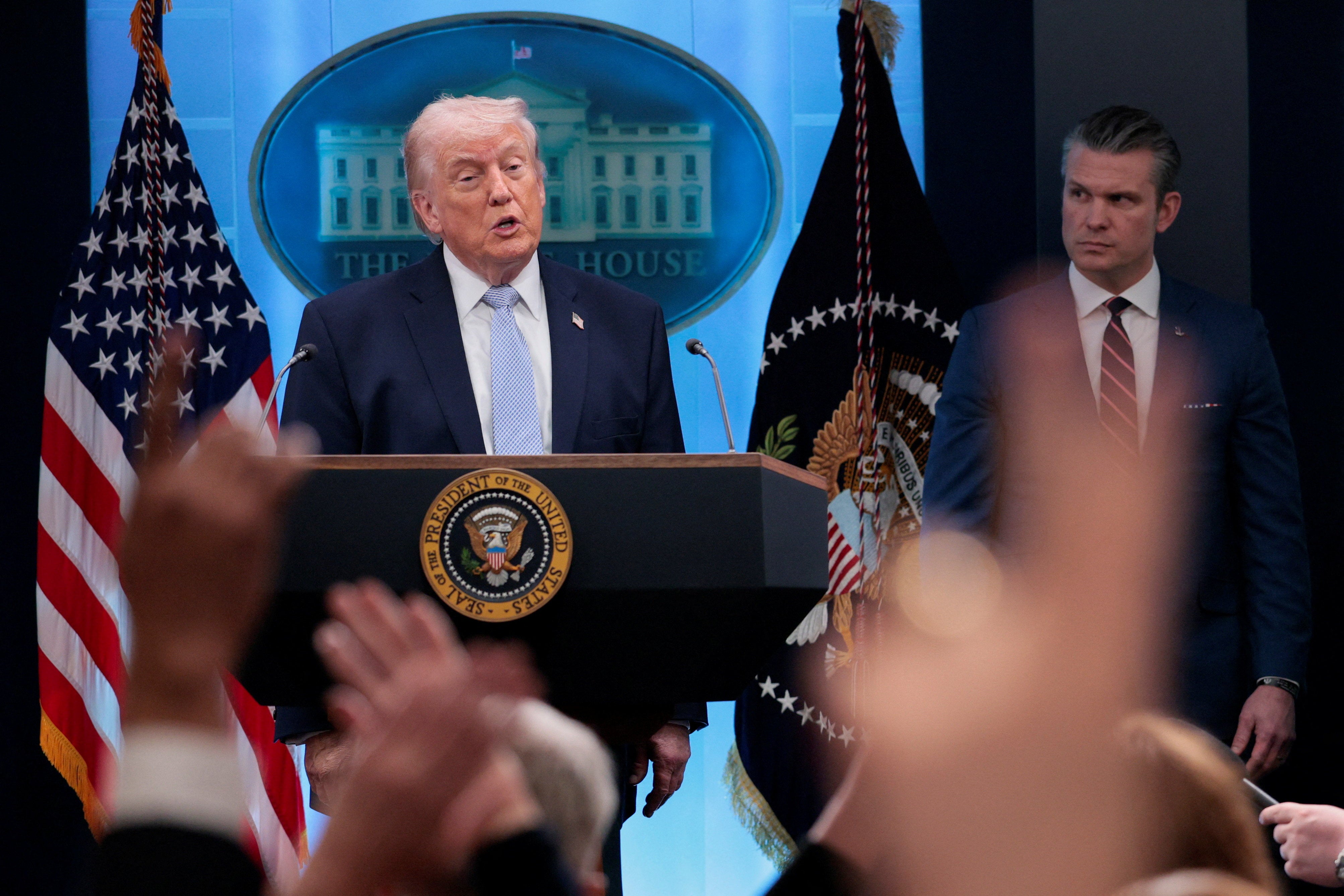
Donald Trump announced a last-minute two-week ceasefire with Iran on April 8, 2026, averting an immediate military escalation. The agreement is conditional on Iran providing safe passage through the Strait of Hormuz, but it is a transactional pause focused on oil flow, not a comprehensive resolution to the broader nuclear, proxy, and security issues fueling the conflict.
A Sudden Halt: Trump Announces Two-Week Iran Ceasefire
Trump's 'Ceasefire' Gives Iran Just 14 Days to Prove It Won't Collapse
Donald Trump's ceasefire announcement came less than two hours before an 8 p.m. ET deadline on April 7, 2026 — and an even more stunning two-week expiration date. While Trump claimed on social media to be "very far along with a definitive Agreement concerning Longterm PEACE with Iran," the reality is a fragile pause that hinges entirely on Iran's ability to immediately open the Strait of Hormuz and cease all counter-attacks.
Iran's Foreign Minister confirmed compliance, but air-raid sirens across Israel and missile alerts throughout the region suggest neither side trusts this will hold.
The ceasefire, despite Trump's claims, is less a diplomatic triumph and more a strategic retreat by the U.S. to mitigate immediate economic fallout from the Strait of Hormuz blockade.
The Provisional Pact: Terms and Conditions
Iran Must Open Hormuz Immediately — Or Face 'Whole Civilization' Threat Again
The ceasefire's survival depends on one critical condition: Iran must end its economically devastating blockade of the Strait of Hormuz and guarantee safe passage for oil and gas shipments. This represents a complete capitulation from Iran's chokehold strategy that began in late February 2026.
Trump's alternative remains his earlier threat to destroy Iran's 'whole civilization' — making this less a negotiated peace than an ultimatum with a 14-day timer. Iran's 10-point counter-proposal, which included demands for no-attack guarantees, sanctions removal, and damages compensation, was acknowledged by Trump as a 'workable basis on which to negotiate,' though different versions of the proposal, particularly regarding uranium enrichment, were circulated.
Many believe this ceasefire signifies a genuine shift towards peace, but it's fundamentally a transactional agreement focused on oil passage, not a comprehensive resolution of underlying nuclear or regional concerns.
From Brinkmanship to Brief Respite: How We Got Here
Escalation began with the U.S. and Israel launching the war on February 28, 2026. Iran's chokehold on the Strait of Hormuz, initiated when the war began in late February, had been severely roiling the global economy. The conflict significantly impacted regional stability, with Israel, Saudi Arabia, and other Gulf partners like the UAE, Bahrain, and Kuwait facing direct threats.
Missile alerts in these nations, including the gas facility hit in Abu Dhabi, immediately after the ceasefire announcement, highlight the deep-seated tensions that persist despite the provisional agreement.
The immediate winner is the global oil market, which benefits from the temporary reopening of the Strait of Hormuz, while the primary loser is regional stability.
Beyond Two Weeks: What Happens Next?
The April 22 Deadline Will Expose Whether This Was Ever Real
April 22, 2026 — exactly two weeks from the announcement — will determine if this ceasefire was genuine diplomacy or political theater. Verification of Iran's Strait of Hormuz compliance will prove nearly impossible to monitor in real-time, while domestic opposition in both countries actively seeks to undermine any agreement.
The absence of extension mechanisms or follow-up negotiation frameworks suggests neither side expects this to survive its own deadline.
Within the next six months, the ceasefire will either collapse due to Iranian non-compliance or be extended with significantly more stringent, internationally monitored terms, but a definitive, long-term peace treaty will not be signed before the end of 2026.
What real people think
DividedSourced from Reddit, Twitter/X, and community forums
Expert and public sentiment is largely skeptical, viewing the ceasefire as fragile and transactional rather than a genuine step towards peace. Concerns persist about Iran's sincerity and the potential for renewed conflict, despite the temporary economic relief.
“I feel like Iran is intentionally holding positive negotians meetings and then deny it afterwards just to make Trump appear even more insane.”
Reddit user, r/worldnews“Any agreement made with trump is useless before the ink has dried. ... Exactly temp ceasefire just gives usa more time to ship over more people and equipment and restock interceptor missiles.”
Reddit user, r/worldnewsMany Reddit users express skepticism about Iran's sincerity, citing a pattern of positive negotiation meetings followed by denials. They suggest Iran uses talks tactically while maintaining economic pressure.
Some believe the temporary ceasefire allows the U.S. and Israel breathing room to plan, produce, and restock interceptor missiles, rather than signaling a true de-escalation.
Related discussions
Iran rejects ceasefire as deadline nears on Trump 'hell' ultimatum
r/worldnewsIran rejects ceasefire as Trump says entire country can be 'taken out'
r/worldnewsIran rejects US ceasefire proposal, insists on permanent end to conflict
r/worldnewsRegional effort to broker ceasefire between US and Iran reportedly hits dead end
r/geopoliticsIran rejects a U.S. ceasefire plan as Trump again threatens to bomb its infrastructure
r/worldnewsSearch interest: “Trump Iran ceasefire,Iran US tensions,Middle East conflict”
vs prior 3 months
Ceasefire at a Glance
2 Weeks
Ceasefire Duration
April 8, 2026
Announcement Date
5+
Nations with Missile Alerts Post-Ceasefire
Reuters, The New York Times, CNN
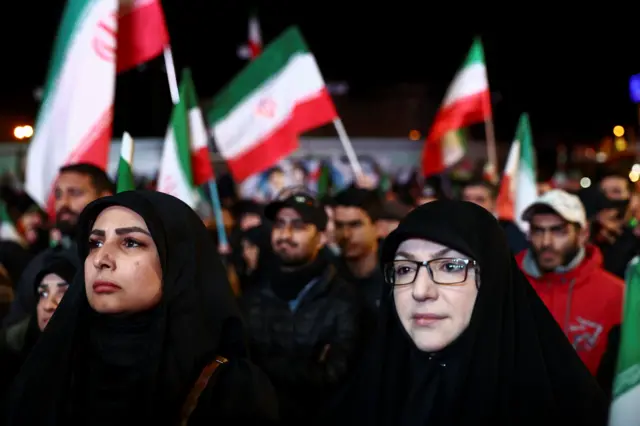
Tehran Reacts to Ceasefire News
Further Reading
Reuters report on the immediate aftermath of the ceasefire announcement and Trump's shift in rhetoric.
Live updates from The New York Times detailing the agreement and initial regional responses.
NBC News coverage of the ceasefire, including the conditions and Trump's previous threats.
The Guardian's analysis of the provisional nature of the ceasefire and Iran's commitment to the Strait of Hormuz.
Sources
- 1.Trump agrees to two-week Iran ceasefire, drops threat to destroy 'whole civilization' | Reuters
- 2.U.S., Iran and Israel Agree to Cease-Fire - The New York Times
- 3.Trump announces two-week ceasefire as Iran says talks to begin soon - as it happened | Reuters
- 4.Trump announces Iran ceasefire ahead of 8 p.m. deadline - POLITICO
- 5.US and Iran agree to provisional ceasefire with Tehran saying it will reopen strait of Hormuz | US-Israel war on Iran | The Guardian
- 6.Iran war live updates: Trump, Iran agree to two-week ceasefire after threat of massive attacks
- 7.Iran, US receive plan to end hostilities, immediate ceasefire, source says | Reuters
- 8.U.S. and Iran agree to 2-week ceasefire, suspending Trump's threat to annihilate Iran
- 9.Live Updates: U.S., Iran reach 2-week ceasefire ahead of Trump's deadline
- 10.Trump Agrees to Ceasefire With Iran, Backs Off Threat of Sweeping Strikes
- 11.Iran ceasefire deal gives Trump a way out of war - but at a high cost
- 12.Investor reactions to Trump agreeing to two-week ceasefire with Iran | Reuters
- 13.What Smart People Are Saying About Trump's Ceasefire Deal With Iran - Business Insider
- 14.Day 39 of Middle East conflict — US, Israel, Iran agree to ceasefire before Trump’s deadline | CNN
- 15.US and Iran agree to 2-week ceasefire as Trump pulls back on threats
Rate this article
Your feedback helps surface the best content
Related articles
Have a question? Get your own article.
Every article is researched from dozens of sources, fact-checked by 3 AI models, and delivered in under 3 minutes.
Triple-Verified — 8 corrections applied across 3 verification stages applied